
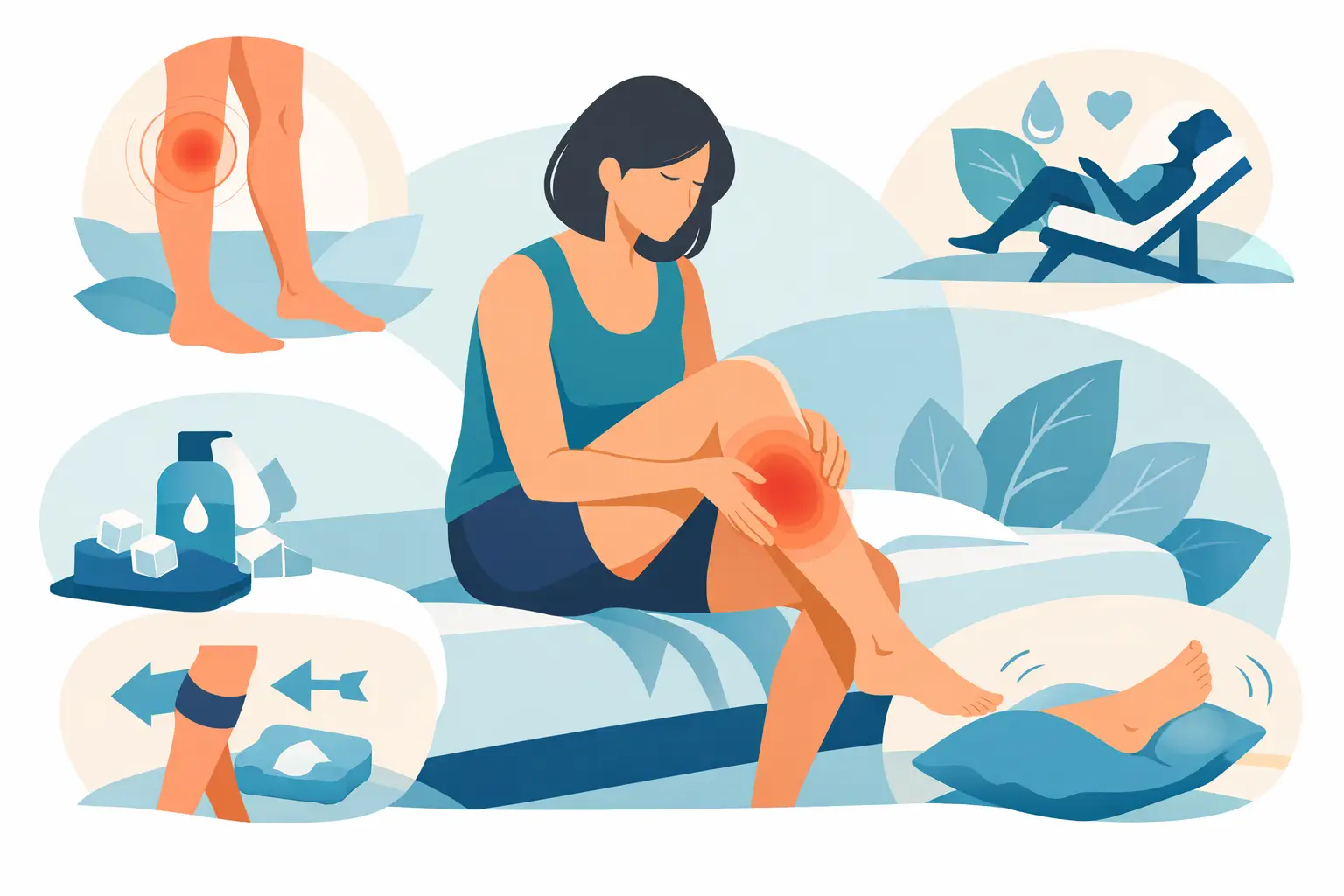
Getting home, taking off your shoes and feeling heavy, tight or tired legs can completely change how your day ends. If you wonder why your legs hurt, the answer is seldom unique: sometimes it’s due to physical exertion, other times to spending long periods standing or sitting, the heat, insufficient rest or an isolated overload. Listening to that sensation and dedicating a few minutes to body care helps restore lightness and well-being.
Why your legs hurt during the day
The legs bear a highly active part of our routine. Fast walking, climbing stairs, carrying bags, working out or staying in the same position for many hours can leave a sense of stiffness and fatigue. You don’t need an intense workout to notice it: a long workday, a trip or even the heat can make your legs feel more loaded than usual.
It’s also common for discomfort to appear when physical activity is resumed after a period of reduced movement. Muscles adapt gradually to effort, and pushing them too soon can result in tightness, sensitivity or fatigue the next day. In these cases, more intensity doesn’t always mean better results. Alternating activity and recovery is often a much more useful choice.
Lack of rest also matters. Sleeping little, staying irregularly hydrated or not taking breaks to move can affect how your legs feel at the end of the day. That’s why effective relief doesn’t depend only on a product: it works best when paired with simple, consistent habits.
Muscle load, posture and accumulated fatigue
When pain is focused in the calves, thighs or the back of the legs, it’s usually related to everyday muscle load. It may appear after a long walk, an exercise class, a full day on your feet or many hours sitting without changing posture. Staying in the same position too long makes the body crave movement, stretching and rest.
Products selected for this guide
Choose the option that best fits your skin and your routine.
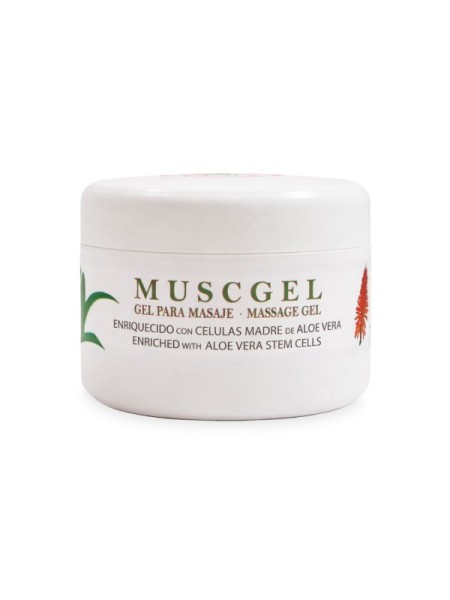
Aloe Vera Muscle Gel 200 ml | Cooling Sports Massage Gel for Tired Muscles
A versatile option for everyday use.
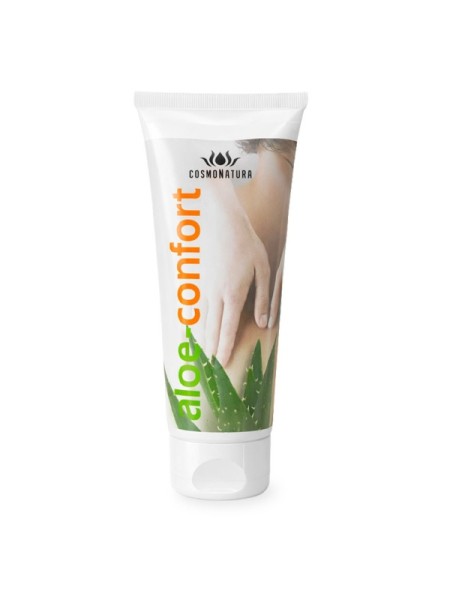
ALOE CONFORT Muscle Cream Gel 250 ml | Arnica, Menthol and Harpagophytum Massage Gel
Designed for more specific care needs.
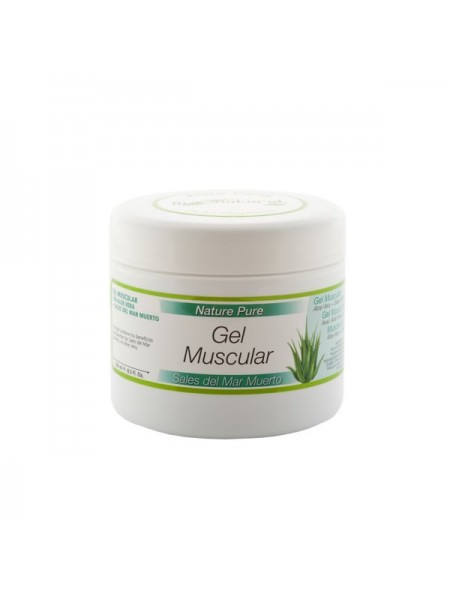
Muscle Massage Gel 500 ml with Aloe Vera, Dead Sea Salts, Arnica and Menthol
A complementary option for a more complete routine.
Posture influences more than it seems. Crossing your legs for hours, working with an uncomfortable chair or wearing footwear that doesn’t support your step well can increase the feeling of fatigue. It’s not about finding a perfect posture all day, but about making small changes: standing up for a few minutes, moving your ankles and feet, walking a bit or gently stretching the back of your legs.
After exercise, discomfort can be a sign that the body needs more conscious recovery. Skipping this part is common when you’re in a hurry, but five minutes of gentle stretching and a body massage can make a real difference in how you feel the next day.
What to do when your legs feel heavy
The first step is to slow down and avoid further straining the area if the fatigue is evident. A short rest with the legs elevated can provide a pleasant relief, especially at the end of the day. If you’ve been sitting for many hours, a leisurely walk may feel better than staying still; if you’ve done intense exercise, you’ll likely appreciate a calmer recovery. It depends on the source of the discomfort.
A lukewarm shower and a massage are two simple gestures that fit well into a self-care routine. The massage doesn’t need to be complicated: apply a small amount of gel or body cream and spread it from the ankles upward, using slow motions and comfortable pressure. Spend a little extra time on calves, thighs and soles of the feet if they’re the most fatigued areas.
Massage gels with aloe vera, arnica, menthol, ginger or devil’s claw are a practical option when you’re seeking freshness and comfort after activity. Aloe vera provides a pleasant, soothing skin texture, while menthol offers a cool sensation especially welcome on hot days or after a walk. Arnica and botanical extracts complete a formula designed to enhance massage and body recovery.
A massage routine for tired legs
You don’t need to reserve leg care only for days of high exertion. A brief routine, repeated frequently, can help you turn relief into a personal wellness moment.
Start by applying the product to clean, dry skin. Warm the gel between your hands and distribute it over the area with upward movements, without rubbing harshly. On the calves, use your palms for long strokes; on the thighs, alternate between circular and ascending movements. If you’ve spent the day on your feet, finish by massaging your feet and ankles, where much fatigue tends to accumulate.
The amount also matters. Applying too much product doesn’t improve the massage and can leave the skin feeling sticky. It’s better to start with a small amount and add more if needed. Look for an absorption-friendly texture that lets you dress afterward without waiting too long and leaves the skin hydrated, not overloaded.
At Aloeveraymas, the body massage products with aloe vera and cooling-actives are specifically designed for this daily gesture: caring for the skin while supporting muscle rest. Choosing an easy-to-apply format helps make the routine sustainable, even on days with less time.
Habits that help legs feel lighter
Massage is more effective when it’s part of a broader routine. Maintaining regular hydration, not just when thirsty, can help your body cope better with hot days or activity. It’s also wise to avoid staying in the same posture for too many hours. A discreet alarm every hour to stand up, walk or do some ankle exercises can be enough.
If you work sitting down, make sure your feet are well supported and change position throughout the day. If you work standing, look for moments to sit and relieve your legs. After training, don’t stop abruptly: lower the intensity gradually, walk for a few minutes and stretch without bouncing or pain. The goal isn’t to force flexibility, but to give your muscles a transition toward rest.
Footwear deserves attention. Pretty but uncomfortable shoes can take their toll after several hours of use. For walking, working or traveling, prioritize options that properly support the foot and don’t squeeze. Reserving less comfortable shoes for occasional use is an easy way to care for your legs without giving up your style.
When to seek professional advice
Occasional fatigue after a long day or an unusual activity usually improves with rest and local care. However, there are situations when it’s not advisable to normalize discomfort or try to resolve it only with massage. Seek professional guidance if the pain is intense, appears suddenly, persists for several days, worsens at rest or comes with notable swelling, changes in skin color or temperature, weakness or difficulty walking.
A body gel can provide comfort and freshness, but it doesn’t replace an evaluation when the body is sending signals that go beyond the usual. This distinction is key to caring for your legs with common sense and peace of mind.
Spending a few minutes moving, gently stretching and massaging your legs at the end of the day isn’t a luxury. It’s a practical way to respond to everything that supports you, so fatigue doesn’t set the pace for your plans.


