

The skin shines, becomes oily quickly, and still feels tight after cleansing. That combination can be confusing, but it’s more common than you might think. If you’re wondering what to use for dehydrated oily skin, the key isn’t to dry it out further, but to give it water, soothe it, and choose lightweight formulas that won’t overload it.
How to recognize dehydrated oily skin
Dehydrated oily skin produces sebum but lacks water. That’s why you may see shine in the T-zone, visible pores, or a tendency toward breakouts, while also feeling tightness, rough texture, discomfort, or a dull appearance. Sometimes it even reacts poorly to harsh cleansers or overly aggressive routines.
This distinction matters because many people confuse oiliness with hydration. They’re not the same. Excess sebum doesn’t compensate for lack of water. When you only use mattifying or too-astringent products, the skin can enter an uncomfortable cycle: it dries out, becomes irritated, and ends up producing even more oil in response.
What to use for dehydrated oily skin without worsening shine
The best routine hydrates without feeling heavy. That means choosing fresh textures, humectant actives, and formulas that support a healthy skin barrier. You don’t need a long regimen, but you do need a well-chosen one.
A gentle cleanser, not a stripping one
The first step should cleanse without leaving the skin feeling “squeaky clean.” That extreme clean feeling is usually a bad sign for this skin type. It’s most practical to opt for gentle gels or lightweight cleansers that remove sebum, sweat, and sunscreen residue without drying out the skin.
Products selected for this guide
Choose the option that best fits your skin and your routine.
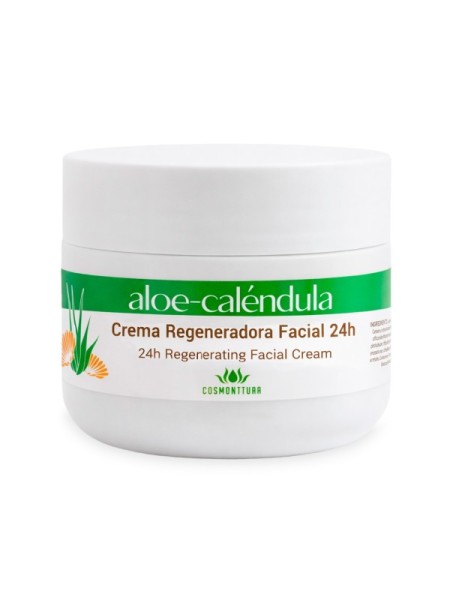
Regenerating Face Cream 24h 100 ml | for daily natural skincare, sensitive skin
A versatile option for everyday use.
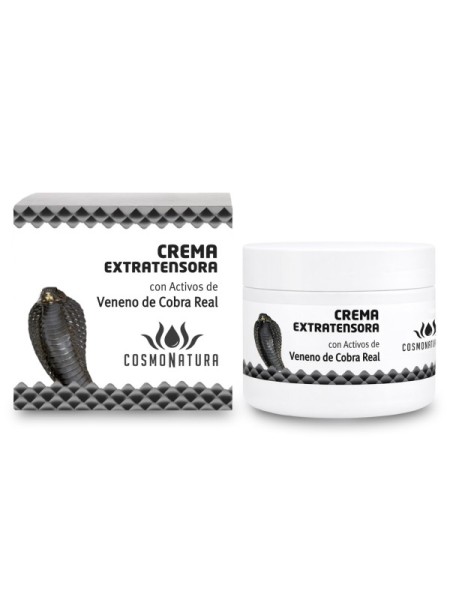
Extra-Firming Cream con activos de Cobra Venom 100 ml | for firming anti-ageing care
Designed for more specific care needs.
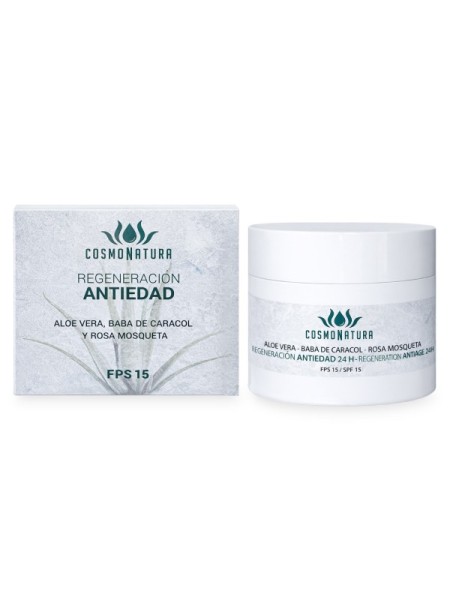
24H Anti-Ageing Cream Aloe-Facecol-Rosehip SPF 15 100 ml | for firming anti-ageing care
A complementary option for a more complete routine.
If your skin gets very oily, you might think you need a strong product morning and night. In reality, a gentle cleanse twice a day is often enough. If you feel immediate tightness afterward, that cleanser probably isn’t right for you.
Aloe vera to soothe and hydrate lightly
Aloe vera works especially well when oiliness and dehydration occur together. It provides a refreshing feel, helps keep the skin comfortable, and usually comes in light textures—ideal for anyone who dislikes heavy creams. Plus, when the skin is calmer, maintaining the routine becomes easier.
In serums or hydrating gels, aloe vera can be a very practical base for daily use. It won’t feel heavy and pairs well with other hydrating actives.
Hyaluronic acid to add water, not oil
One of the most useful actives in this case is hyaluronic acid. It helps attract and retain water in the skin—exactly what dehydrated skin lacks. The goal isn’t a sticky or overly dense formula, but a lightweight serum that absorbs well and leaves the skin supple.
Applying it to slightly damp skin can enhance the hydration feel. Then seal it in with a fluid cream to help maintain that hydration throughout the day or night.
Gel creams or lightweight emulsions
Many people with oily skin avoid cream because they think any moisturizer will be too much. The problem is that, without sealing in moisture, the skin can keep losing water. The solution isn’t to skip cream but to switch textures.
Gel creams, lightweight emulsions, and moisturizing lotions usually work better than heavy formulas. Look for options with aloe vera, hyaluronic acid, calendula, or soothing ingredients that provide comfort without a greasy finish.
A lightweight sunscreen every morning
Dehydrated skin often feels even more uncomfortable when exposed to the sun without adequate protection. That’s why sunscreen isn’t optional. Again, texture matters: fluid lotions, gel-creams, or lightweight finishes that don’t feel greasy.
If your sunscreen makes you shine too much, it doesn’t mean you should skip it. It means you need a formula more compatible with your skin type.
Ingredients that usually work well
In a routine for dehydrated oily skin, prioritize ingredients that hydrate, soothe, and help the skin look balanced. Aloe vera stands out for its refreshing feel and ease of use. Hyaluronic acid is a safe bet when water is lacking. Calendula can bring a calming sensation, especially if the skin is sensitive from over-cleansing or using too-intense products.
Lightweight vitamin C formulas can also fit well if you want to brighten a dull complexion—always in gentle, well-tolerated textures. If you plan to add stronger renewing actives like retinal, introduce them gradually and only once the skin is comfortable and hydrated. Skin that feels tight and reactive needs balance first.
What often makes the problem worse
Sometimes the mistake isn’t what’s missing but what’s in excess. Over-exfoliating, harsh cleansers, and toners with intense astringent effects may leave the skin temporarily matte, but in the medium term they can increase dehydration.
Also watch out for overusing acne treatments without accompanying hydration. Drying a single blemish can make sense, but drying the entire face daily often comes at the expense of comfort. The skin feels more tight, more sensitive, and less even.
Another common error is layering too many products because oily skin seems to need “compensation.” If you use too many products—even good ones—you can overload it. In this case, a short, consistent routine with well-chosen textures usually works better.
Simple morning and evening routine
In the morning
Start with a gentle cleanser or, if your skin feels comfortable upon waking, just water. Then apply a hydrating serum with hyaluronic acid or aloe vera. Follow with a lightweight cream or gel moisturizer, and finish with a fluid sunscreen.
This combination helps keep the skin fresh, hydrated, and more balanced throughout the day. The goal isn’t to make it matte at all costs, but comfortable and even.
In the evening
Cleanse gently again to remove impurities, sunscreen, and excess sebum. Then use a hydrating serum and a light repairing cream. If you want to introduce an active like vitamin C or retinal, do so cautiously and alternate according to tolerance.
When skin is dehydrated, consistency often beats intensity. A gentle routine followed daily usually yields better results than a highly active routine used irregularly.
How to choose products if your skin is also sensitive
Not all dehydrated oily skin is the same. Some tolerate renewing actives well, while others become easily irritated. If you also experience occasional redness, stinging, or warmth after cleansing, prioritize calming, minimalist formulas.
In that case, aloe vera and calendula can be great allies, especially in lightweight serums and daily creams. Avoid strong fragrances or products with too many actives at once. Fewer steps, but better selected.
What results you can expect
When a routine is well-adjusted, the skin won’t stop being oily overnight, but it can feel more supple, less tight, and with less rebound shine. The first noticeable change is usually in comfort: less pulling, smoother texture, and an overall better finish.
Over weeks, you may also see a more even, rested appearance. That’s the real goal: not to punish the skin into looking dry, but to help it reach balance.
At Aloeveraymas, this approach makes a lot of sense because it combines natural ingredients like aloe vera with practical actives that fit into a simple routine focused on visible results.
If your skin is oily yet feels dehydrated, it doesn’t need more punishment. It needs lightweight products that truly hydrate and let it breathe so it can feel comfortable again every day.


