

Tight skin is felt before it’s seen. After washing your face, when you smile, after stepping out of the shower or when the weather changes, that uncomfortable sensation appears and calls for immediate relief. If you wonder what products to use for tight skin, the key isn’t filling your bathroom with cosmetics, but choosing formulas that hydrate, soothe and help strengthen the skin barrier.
Often tightness is confused with lack of oil, but that’s not always the case. Skin can feel tight due to dehydration, harsh cleansing, overuse of potent actives or external factors like cold, wind or heating. That’s why it’s best to look at the issue from the skin’s real needs rather than just its type.
Which Products to Use for Tight Skin According to Your Skin’s Needs
When skin feels tight, it usually needs three things at once: water, lipids and soothing care. If you only apply a very rich cream, it may improve the feeling for a few hours, but without humectant ingredients it will still lack proper hydration. And if you use only a lightweight serum, it might fall short when the barrier is compromised.
The most effective approach is often to combine products with different but compatible functions. The order matters less than the logic: first provide hydration, then seal it in and, if the skin is sensitive, minimise anything that could irritate it.
A Gentle Cleanser That Doesn’t Leave Skin “Stripped”
The first product to review isn’t the cream but the cleanser. Many skins start feeling tight because of over-cleansing. If your face feels dry the moment you rinse it, you probably need a gentler formula.
Products selected for this guide
Choose the option that best fits your skin and your routine.
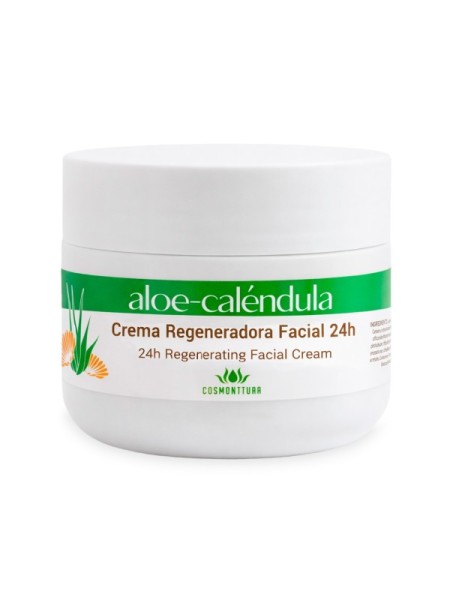
Regenerating Face Cream 24h 100 ml | for daily natural skincare, sensitive skin
A versatile option for everyday use.
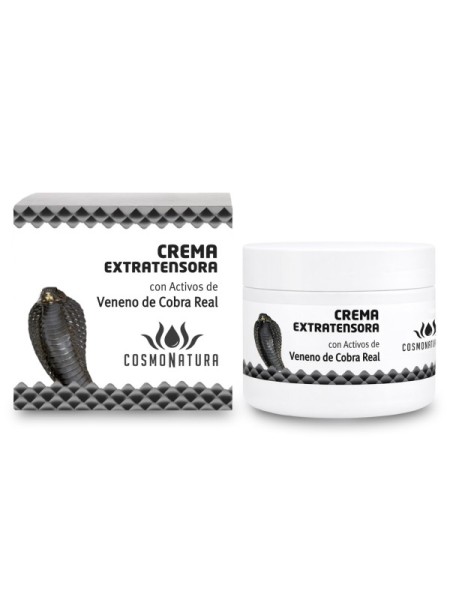
Extra-Firming Cream con activos de Cobra Venom 100 ml | for firming anti-ageing care
Designed for more specific care needs.
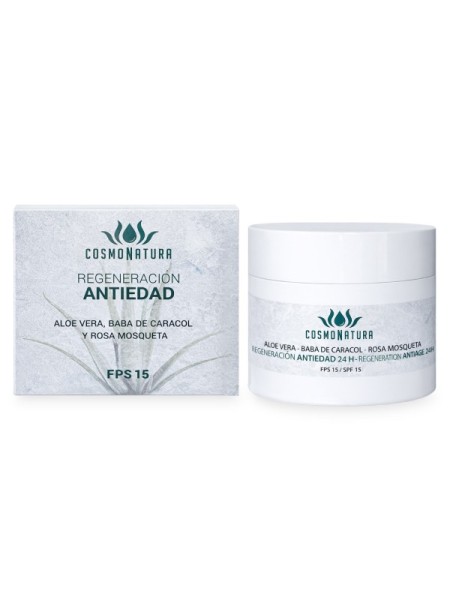
24H Anti-Ageing Cream Aloe-Facecol-Rosehip SPF 15 100 ml | for firming anti-ageing care
A complementary option for a more complete routine.
Look for a gentle cleanser, ideally a milky, creamy or gel formula without a harsh feel. The goal is to remove dirt, sunscreen and makeup without stripping away the skin’s natural moisture. When tightness is pronounced, a simple evening cleanse and just a gentle rinse in the morning may be enough.
Hydrating Serums with Hyaluronic Acid and Aloe Vera
If there’s one beneficial step for tight skin, it’s the hydrating serum. Hyaluronic acid helps attract and retain water, while aloe vera brings cooling comfort and a soothing sensation that’s much appreciated when skin feels uneasy.
Texture matters a lot here. A lightweight serum works well if you follow with a cream to seal in that hydration. Used alone, it may be insufficient for dry skin or in cold conditions. For many women with sensitive or mature skin, this simple combo – hydrating serum plus repairing cream – yields better results than a long routine.
Creams with Repairing and Nourishing Ingredients
After the serum, the cream makes the difference. For tight skin, choose formulas that soothe, lessen discomfort, and help strengthen the skin barrier. Aloe vera is once again a great ally, especially when combined with vegetable oils or nourishing ingredients that prevent water loss.
Rosehip oil fits perfectly here, particularly if you notice roughness or dullness in addition to tightness. Calendula is also appealing when you’re looking for extra soothing care. The cream doesn’t need to be packed with multiple actives. In fact, when skin is reactive, less is often more.
Which Products to Use for Tight, Sensitive Skin
When tightness comes with occasional redness, stinging or a feeling of fragility, it’s best to simplify further. At that stage, the priority isn’t treating spots, wrinkles or texture—it’s restoring comfort.
A short routine can be more effective than a full one. Gentle cleanser, hydrating serum with aloe vera or hyaluronic acid, and a calming cream. If you notice improvement after a few days, you can reintroduce other products.
When to Pause Vitamin C, Retinal or Exfoliants
Actives like vitamin C or retinal can add a lot to your routine, especially for mature skin or lack of radiance. But when skin feels tight, it’s not always wise to push on. If the tight sensation appears right after applying them, or if your skin has started to feel uncomfortable since you increased their use, it may be better to space out their applications.
That doesn’t mean they’re bad products. It means your skin, at that moment, needs a different pace. A good option is to use them only a few days a week and on the other nights focus on hydration and repair. That balance usually yields better results than forcing an intense routine.
The Role of Facial Oils
Oils can be very helpful, but they’re not the only solution. They work great to seal in hydration and provide nourishment, especially at night. The problem arises when they’re used on dehydrated skin without an initial water-based layer.
If you enjoy richer textures, apply a hydrating serum first and then a few drops of oil or a richer cream. Rosehip oil is an especially practical choice when you want comfort and support for your skin’s regeneration.
How to Build a Simple Routine for Tight Skin
The best routine isn’t the most comprehensive but the one your skin tolerates well every day. If you want quick relief without complexity, consider a basic, consistent structure.
In the morning, cleanse gently if needed, apply a serum with hyaluronic acid or aloe vera, and finish with a hydrating cream. If you head outdoors, add sunscreen as the last step. At night, repeat a gentle cleanse and use a slightly richer cream. If tightness is intense, a few drops of oil at the end can greatly improve how your skin feels upon waking.
For mature skin, this routine can also incorporate anti-aging actives, but with care. Retinal works best when the skin is already balanced. If you’re feeling tightness right now, it’s best to restore hydration and comfort first. Then you can introduce it gradually.
Common Mistakes When Choosing Products for Tight Skin
One of the most common mistakes is overhauling your entire routine at once. When skin feels uncomfortable, you might be tempted to try everything, but that makes it hard to determine what’s helping and what’s worsening the issue. It’s usually more useful to tweak one or two key steps.
Another mistake is looking only for very dense textures. A rich cream can provide relief, but without a humectant base underneath, the effect may be limited. It’s also wise to avoid cleansers that leave a “very clean” feeling, because that often marks the start of tightness.
And there’s a very common misstep: continuing to use exfoliants or strong actives even when your skin is asking for a break. Sometimes the best decision isn’t to add a new product, but to pause what may be overdoing it.
Which Textures Tend to Work Best
Not all tight skins require the same texture. If you have dry skin, a nourishing cream or a light balm usually offers more comfort. If your skin is combination but dehydrated, you might feel better with a hyaluronic acid serum, a medium-weight cream and just a touch of oil in specific areas.
In warmer months, many people prefer hydrating gels with aloe vera paired with light creams. In winter, the same face may need more enveloping formulations. Adjusting texture according to the season isn’t a luxury, it’s a practical way to care for your skin.
When Body Skin Also Feels Tight
Tightness doesn’t always stay on the face. After the shower, in the legs, arms or décolletage, that feeling can also arise. In this case, body lotions or creams with aloe vera, calendula or vegetable oils work well to soothe and keep skin comfortable.
If you’re also looking for a care step that combines well-being and a daily routine, it makes sense to choose products that hydrate the skin and offer a pleasant soothing sensation after exercise or a long day. That combination of care and relief fits perfectly into a realistic routine that you can actually stick to.
If your skin feels tight, you don’t need ten steps or impossible formulas. You need products that work in your skin’s favor: gentle cleansing, water-based hydration, creams that help lock it in, and well-chosen actives at the right time. When your routine adapts to what your skin really needs, the change is noticeable quickly and lasts longer.


