

The question of what to apply first, serum or cream may seem minor, but it greatly affects the feel and results of your facial routine. If you apply a thick cream before serum, the serum can stay on the surface and be less effective. The most practical order is simple: first serum, then cream. This gives your skin a concentrated treatment and then seals hydration with a texture that provides comfort and protection.
You don’t need ten products to care for your face. A well-chosen routine, with active ingredients suited to your skin and applied in the right order, is often more enjoyable and easier to maintain every day.
What Comes First, Serum or Cream: The Correct Order
After cleansing your face, apply serum to clean, dry or slightly damp skin, as directed. Wait a few seconds for it to settle, then follow with your facial cream. In the morning, always finish with sunscreen.
The reason is in each product’s texture and function. Serums are usually lightweight and concentrated. They target specific concerns: dehydration, lack of radiance, fine lines, tightness, or dullness. Creams, on the other hand, have a richer texture and help keep skin comfortable by reducing water loss and enhancing softness.
The usual sequence goes: cleanse, serum, cream, and daytime sun protection. If you use an eye contour product, apply it after serum and before cream, using gentle taps without dragging the skin.
Products selected for this guide
Choose the option that best fits your skin and your routine.
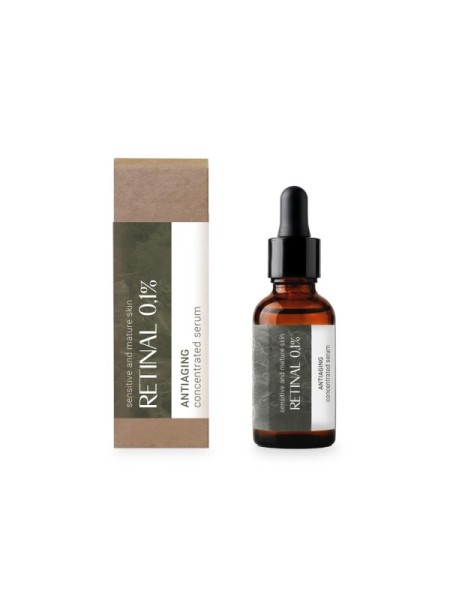
Retinal Anti-Ageing Serum 0.1% 30 ml | for firming anti-ageing care
A versatile option for everyday use.
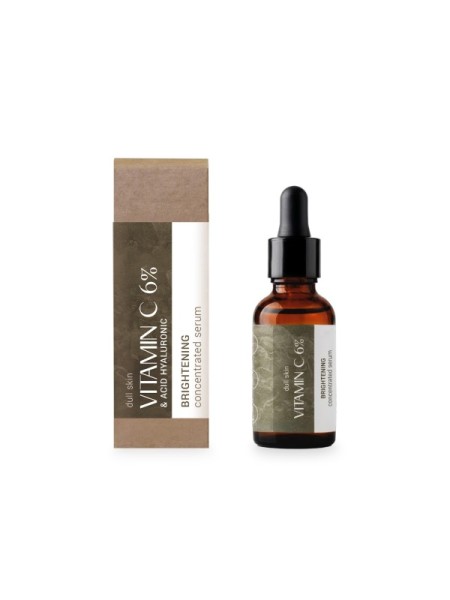
Antioxidant Serum Vit. C 6% 30 ml | for firming anti-ageing care
Designed for more specific care needs.
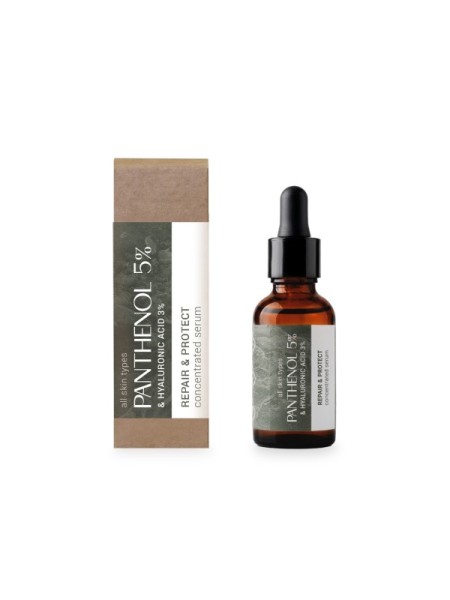
Panthenol Hydrating Serum 5% Hyaluronic Acid 3% 30 ml | for firming anti-ageing care
A complementary option for a more complete routine.
Why Serum Should Be Applied Before Cream
Think of serum as the treatment step and cream as the finishing step that maintains that treatment. A hyaluronic acid serum, for example, provides light hydration and leaves skin more supple. If you follow with a cream containing aloe vera, calendula, rosehip oil, or other nourishing ingredients, you help preserve that hydrated feeling for longer.
If you reverse the order, nothing serious happens, but the cream can create a barrier that makes it harder to apply the serum evenly. This is especially noticeable when the cream is thick or when skin tends to trap excess product in areas like the sides of the nose, chin, or between the brows.
There’s also a practical reason: applying from lighter to denser textures lets you use less product. Two or three drops of serum usually suffice for face and neck. Then, a small pea-size amount of cream—or slightly more if your skin is very dry—can be enough.
The Exception: Facial Oils
Oils don’t function exactly like a water-based serum. In most routines, they are applied after cream or mixed with it, especially when you’re looking for extra nourishment and comfort. A rosehip oil can be a great nighttime complement for dry or less elastic skin, but it doesn’t necessarily replace a hydrating serum.
If your skin is combination or oily, you don’t have to avoid oils entirely, though it’s best to use a small amount and see how your skin responds. Ease of use matters: a routine that leaves skin feeling heavy is hard to maintain.
How to Apply Serum and Cream According to Your Skin Type
The order stays the same, but you should adjust textures and active ingredients. The best routine isn’t the one with the most ingredients, but the one that consistently meets your skin’s needs.
Dry or Tight Skin
Look for a hydrating serum, especially one with hyaluronic acid and aloe vera. Apply to slightly damp skin after cleansing, without rubbing too hard. Then use a nourishing cream that soothes and prevents tightness throughout the day.
Skipping cream is usually a mistake here. Serum provides moisture, but the right cream gives that comfortable finish dry skin craves. At night, you can add a few drops of rosehip oil at the end for extra nourishment if needed.
Sensitive or Reactive Skin
Your priority is a short, gentle routine. Choose a calming, hydrating serum and a cream with comfort ingredients like aloe vera or calendula. Introduce new products one at a time so you can easily identify any that don’t agree with you.
There’s no need for large amounts or combining many actives at once. Sensitive skin usually benefits more from consistency than constant changes. If you notice persistent stinging, redness, or discomfort, simplify the routine and stop using the product that caused the reaction.
Combination, Oily, or Imperfection-Prone Skin
Many people with combination skin think they should skip cream, but lack of hydration can actually throw your skin off balance. The key is to choose a lightweight serum and a fluid-textured cream that absorbs well without leaving a greasy shine.
Apply sparingly and pay attention to areas with different needs. Cheeks may need more hydration than forehead or nose. You don’t need separate products for each area, just adjust the amount of cream accordingly.
Mature or Lackluster Skin
A highly effective combo is an antioxidant serum in the morning and a renewal serum at night, always followed by a cream suited to your skin’s dryness and comfort needs. Vitamin C is typically reserved for the morning routine, before cream and sunscreen.
Retinal, meanwhile, is usually used at night. Start slowly according to product instructions and avoid layering too many exfoliating or intense actives in the same evening. After a retinal serum, a soothing, hydrating cream can make the routine more comfortable.
A Simple and Effective Morning Routine
In the morning, skin needs hydration and protection against external factors. After a gentle cleanse, apply a serum that matches your goal. For radiance, choose a vitamin C serum. For dehydration, opt for hyaluronic acid and aloe vera.
Next comes cream. Even in warm months, a light texture can balance without overloading. The final step is sunscreen, which doesn’t replace serum or cream—though some sunscreens are also moisturizing. If your skin tolerates a hydrating SPF well, you can simplify, but don’t assume every sunscreen meets dry skin’s needs.
Night Routine: Repairing in Fewer Steps
At night you don’t need sunscreen, so you can focus on comfort and treatment. Thoroughly cleanse to remove makeup, sunscreen, and daily impurities. Then apply your serum: hydrating for a basic routine or retinal if you want to target visible signs of aging.
Always seal with cream. This step is especially helpful if you use retinal, as it makes skin feel more comfortable. On tired nights or after exposure to cold, wind, or air conditioning, a cream with aloe vera and calendula can provide a soothing relief.
You don’t need to use retinal every night at first. Alternating it with a hydrating serum is a sensible way to build a routine your skin will tolerate. The most satisfying results usually come from consistency, not haste.
Common Mistakes When Combining Serum and Cream
The most frequent is using too much product. When skin feels sticky, pills appear, or makeup won’t set, it’s not always the formula’s fault: sometimes layers are too thick or the next step is applied before the previous one has settled.
Another mistake is picking serum out of trend and cream out of habit, without considering your skin’s real needs. If you feel tightness, an antioxidant serum alone might not cover what you need. If your skin tends to get oily, a rich cream can be too heavy even if it’s a good formula.
It’s also important not to confuse speed with efficacy. Waiting 30 seconds to a minute before applying cream is usually enough. You don’t need the serum to dry completely or to massage for several minutes. Gently spread the product from the center outward, and don’t forget your neck.
When a Simple Routine Works Better
A quality serum and a well-chosen cream can cover most of your daily facial routine. For many skin types, the combination of hyaluronic acid, aloe vera, and a nourishing cream is a highly effective starting point. If later you want to add vitamin C, retinal, or rosehip oil, do so according to your goals and without turning your skincare into a complicated task.
Listening to your skin is more useful than copying someone else’s routine. If by the end you notice hydration, softness, and comfort, you’re on the right track. Start by applying serum before cream, stick with it for several weeks, and only adjust what your skin truly needs.


