

When a skin mark takes weeks or months to fade, it’s natural to look for a gentle, consistent option that’s easy to fit into your routine. Rosehip oil for scars and blemishes is often one of the top picks in natural skincare, especially when you want to improve your skin’s appearance without complicating your daily regimen.
Its popularity isn’t by chance. Rosehip oil is prized for its nourishing profile and its ability to support skin regeneration—particularly useful after acne, minor injuries, irritation, or sun exposure that leaves a trace. Still, it’s important to understand what it can and can’t do, and how to use it to see real improvements.
What Rosehip Oil Does for Your Skin
Rosehip oil stands out for its content of essential fatty acids like linoleic and alpha-linolenic acids, as well as antioxidants and compounds that help keep skin more supple and nourished. In a well-designed routine, its main role isn’t to erase a mark overnight but to promote more even, soft, and comfortable skin over time.
When applied consistently, it can help improve the texture of superficial scars and soften the appearance of post-inflammatory spots. This is useful for skin that has experienced pimples, persistent redness, or small healed wounds. It can also boost elasticity in dry, mature, or sensitive skin.
Not all marks respond the same way. A recent spot with a pink or light brown hue usually responds better than an older lesion or deep scar. Therefore, the most realistic expectation is visible improvement rather than absolute perfection.
Products selected for this guide
Choose the option that best fits your skin and your routine.
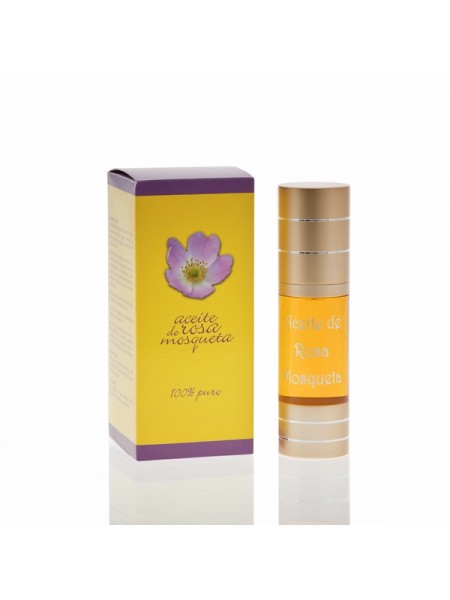
Pure Rosehip Oil 30 ml – Cold Pressed Facial Oil in Airless Bottle
A versatile option for everyday use.
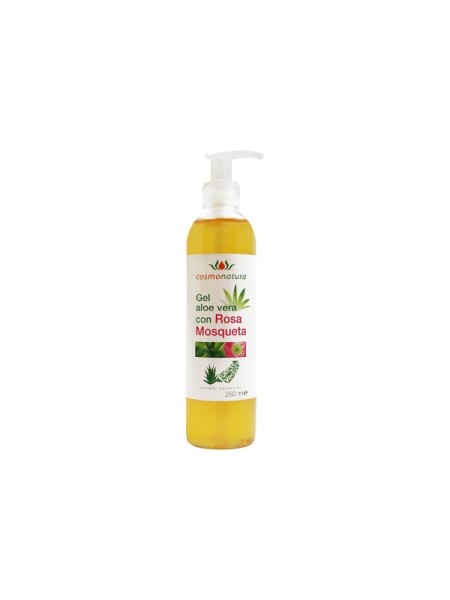
Aloe Vera Gel 100% + Rosehip 250 ml | for cooling face and body hydration
Designed for more specific care needs.
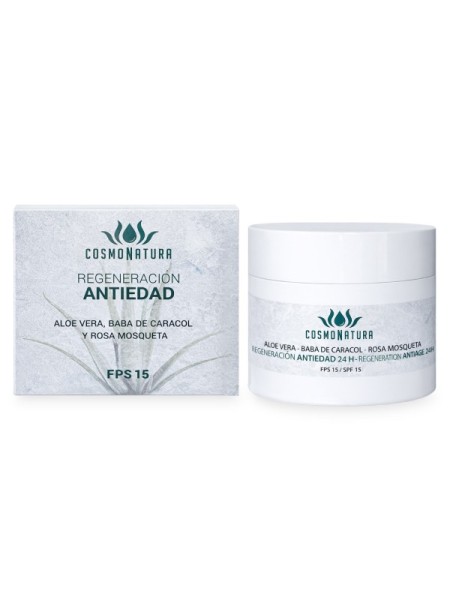
24H Anti-Ageing Cream Aloe-Facecol-Rosehip SPF 15 100 ml | for firming anti-ageing care
A complementary option for a more complete routine.
Rosehip Oil for Scars and Spots: When It Helps Most
Rosehip oil for scars and spots tends to work best in specific situations: for post-acne marks that are no longer active, small superficial scars, dehydrated skin that heals slowly, or mild spots linked to irritation or aging.
It can also be a great ally when skin needs recovery after periods of intense dryness or seasonal changes. In these cases, improving the skin barrier helps your complexion look less dull and more even.
On the other hand, for melasma, very pronounced hormonal spots, raised or deep scars, or fresh lesions that haven’t fully closed, results may be limited. It’s important to set realistic expectations and, if necessary, combine skincare with professional advice.
How to Use It Correctly in Your Routine
Consistency matters more than quantity. Using too much product won’t speed up results and can feel heavy on some skin types. The most practical method is to apply a few drops to clean skin, preferably at night, and massage gently until fully absorbed.
For dry or mature skin, rosehip oil can be used as the last step before bed or mixed with a regenerating cream to boost nourishment. For combination skin, use a smaller amount and focus on areas with marks, avoiding overloading zones that already produce more oil.
In the morning, if you’re targeting spots, sun protection is essential. Without it, skin can repigment easily, and weeks of effort can lose effectiveness. Rosehip oil supports improvement, but sun exposure can significantly slow progress.
Recommended Frequency
It’s common to start once a day and observe how your skin responds over one to two weeks. If tolerated well, many can keep daily use without issues. For sensitive skin, using it on alternate nights may be enough.
The key is to avoid rushing. Skin marks rarely change in just a few days. It’s reasonable to assess your skin’s condition after several weeks of continuous use.
When Not to Apply It
It shouldn’t be applied to open wounds, intensely irritated skin, or highly inflamed acne if the area doesn’t tolerate oils well. It’s also not ideal if you’re using a very active routine with strong exfoliants, retinoids, or acids and your skin shows overload. In that case, prioritize restoring comfort first.
What Results to Really Expect
The most common outcome isn’t total mark removal but overall improved skin appearance. Many people notice areas feeling more pliable, less tight, and visually more even. Superficial scars can look softer, and recent spots may gradually fade.
Time is crucial. Newer marks respond faster than older ones. It also depends on good hydration, avoiding direct sun, and sticking to your routine. Natural skincare often delivers better results with patient consistency.
There’s another important nuance: rosehip oil doesn’t aggressively exfoliate or bleach like an intensive treatment. Its approach is more respectful and gradual. For many, that’s an advantage, especially if you seek a plant-based, soothing, and easy-to-maintain care.
How to Combine It with Other Care
Rosehip oil fits especially well into simple routines. A gentle cleanser, a toner if your skin needs it, a moisturizer, and a few drops of oil at night are often enough to see improvement without complications.
For dry or mature skin, combining soothing and regenerating botanicals can yield excellent results. Aloe vera, for example, brings freshness and hydration, while rosehip oil provides nourishment and works on marks. Calendula can also add comfort for delicate or reactive skin.
If you want to reduce spots, the combination needs to be sensible. You don’t need too many actives. A stable routine that respects the skin barrier often outperforms a pileup of products. In that sense, well-formulated natural care lines, like those from Aloeveraymas, are ideal for those who prefer consistent and gentle skincare.
How to Choose a Good Rosehip Oil Product
Not all rosehip oil products offer the same experience. Look at the formula’s quality, the actual percentage of rosehip, and the final skin feel. An oil that’s over-refined or packed with irrelevant ingredients may lose some of its benefits.
For scars and spots, it’s usually worth choosing products aimed at regeneration, nourishment, and daily care. If you have dry skin, a richer texture can be pleasant. For sensitive or combination skin, a simple, well-tolerated formula is best.
It’s also helpful to consider the product’s overall context. Good facial care doesn’t depend only on the star ingredient but on how it fits into a practical, enjoyable, and sustainable daily routine.
Common Mistakes When Using Rosehip Oil for Scars and Spots
One common mistake is using it for only a few days and expecting clear results. Another is skipping sun protection when aiming to improve skin tone. It’s also frequent to keep applying it on marks still in the inflammatory phase, which doesn’t always benefit the skin.
Another error is assuming that because it’s natural, it’s suitable for everything at any time. Botanical skincare can be very helpful, but it still requires judgment. If a scar hurts, changes color, thickens, or a spot grows irregularly, don’t limit yourself to at-home cosmetic care.
Is It Suitable for All Skin Types?
In general, it adapts well to dry, normal, sensitive, and mature skin. It can also work on combination skin if used sparingly. The biggest doubts arise with oily, acne-prone skin, as some find the texture too occlusive.
That doesn’t mean it’s off-limits for oily skin, but usage should be more strategic. Sometimes applying it only to specific areas or choosing formulas with lighter ingredients is enough. As with most skincare, it depends on both the product and your individual response.
Giving your skin time, watching how it reacts, and prioritizing a comfortable routine are usually the best ways to make the most of rosehip oil. When used regularly with realistic expectations, it can become a valuable ally for improving scars and spots without sacrificing natural, gentle, and thoughtful care.


