

If you’ve made it this far, you’ve probably been browsing anti-aging serums and run into the same question over and over: retinol vs retinal. At first glance they look almost identical, but in practice they don’t feel the same on the skin, don’t work at the same pace, and don’t fit equally well into every routine. Choosing wisely can be the difference between a consistent regimen and one you abandon after two weeks.
In a natural, functional skincare shop, this comparison matters more than it seems. It’s not about picking the “strongest” active just because, but the one that best suits your skin, tolerance, and desired outcome: refining texture, smoothing lines, boosting radiance, or supporting mature skin without overcomplicating things.
Retinol vs Retinal: The Real Difference
Both retinol and retinal are Vitamin A derivatives. Both are used in cosmetics to improve skin appearance and as part of routines focused on skin renewal. The difference lies in how each works and how quickly it converts to its active form in the skin.
Retinol requires more conversion steps. Retinal, also called retinaldehyde, needs fewer. That means retinal typically works faster and shows visible results sooner, whereas retinol usually delivers a more gradual onset.
Put simply: they both head in the same direction, but retinal often arrives there first. That’s why many seeking a more potent anti-aging routine are drawn to it, while others prefer to start with retinol, viewing it as a gentler entry point.
Products selected for this guide
Choose the option that best fits your skin and your routine.
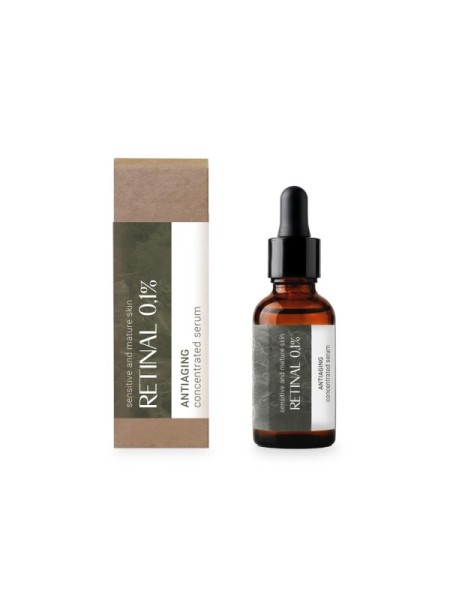
Retinal Anti-Ageing Serum 0.1% 30 ml | for firming anti-ageing care
A versatile option for everyday use.
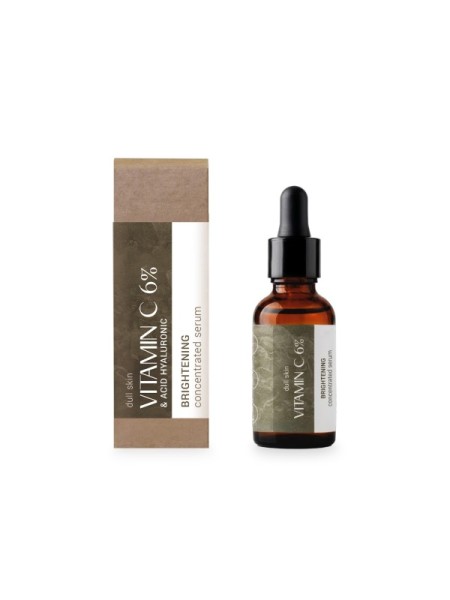
Antioxidant Serum Vit. C 6% 30 ml | for firming anti-ageing care
Designed for more specific care needs.
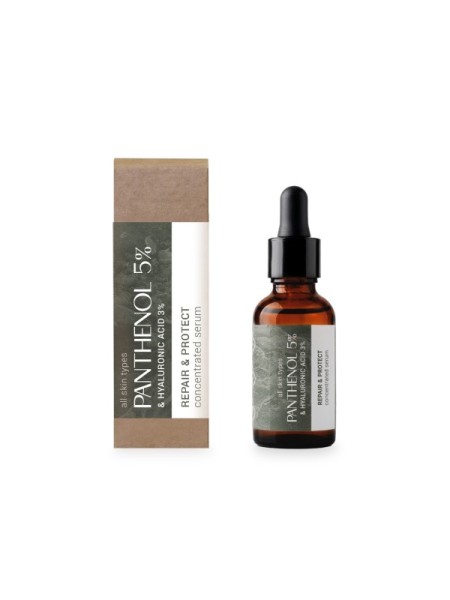
Panthenol Hydrating Serum 5% Hyaluronic Acid 3% 30 ml | for firming anti-ageing care
A complementary option for a more complete routine.
What Each Can Offer Your Skin
When a routine is well-designed, both retinol and retinal can help improve the look of fine lines, uneven texture, dull tone, and unevenness. They’re also valuable for tired-looking skin or skin that has lost firmness over time.
The difference isn’t just the end result, but the journey. Retinol often suits those who want to ease in gradually, especially if their skin is dry or sensitive and needs time to adjust. Retinal tends to appeal more to those who have prior experience with actives or want faster improvements without adding unnecessary steps.
That said, faster doesn’t always mean better. If an ingredient feels uncomfortable, dries you out, or forces you to stop, it’s not practical. In skincare, consistency often yields better results than intensity.
Retinol for a Gentle Start
Retinol is often recommended for those new to Vitamin A derivatives or who prefer a more gradual adjustment. Properly formulated, it can be added into a simple nighttime routine alongside a moisturizer to keep skin comfortable.
It can be a sensible choice for mature yet delicate skin, or for dry skin prone to tightness. It also suits those who aren’t after instant results but want a gradual, sustainable improvement.
Retinal for a More Direct Routine
Retinal is popular for a clear reason: it delivers faster results with formulas that, when well-balanced, can be highly effective without complicating your routine. In brands focused on actives and visible outcomes, it’s become a sought-after option.
If your goal is a more targeted anti-aging routine focused on renewal, radiance, and improved texture, retinal often has the edge. Still, it’s important to respect usage frequency and pair it with hydration. Aloe vera, hyaluronic acid, or repairing oils like rosehip can help keep skin comfortable.
Retinol vs Retinal According to Your Skin Type
This is where the comparison stops being theoretical. The best choice depends on how your skin actually behaves day to day, not just what the packaging promises.
If your skin is sensitive, reactive, or prone to redness, it’s usually wise to start with caution. That might mean choosing retinol or, if you go for retinal, using a low concentration in a formula rich in hydrating and soothing ingredients. It’s not just about the main active; the full formula matters.
If your skin is dry, the most important thing is not sacrificing comfort for enthusiasm. A Vitamin A derivative without a solid moisturizing base can leave skin rougher than you’d like. In this case, look for routines that include hydrating and regenerating support with ingredients like aloe vera, hyaluronic acid, or calendula.
If your skin is mature and already tolerates other actives well, retinal can be especially appealing. Many people at this stage look for a short but effective routine, and a well-formulated retinal serum can fit perfectly.
If your skin is combination or prone to occasional blemishes, either can work in your routine, as long as you avoid combining too many actives aggressively. The key is not overwhelming your skin.
How to Introduce Retinol or Retinal Without Overcomplicating Things
The best routine is one you can stick to. If you’re just starting out, you don’t need five new steps. You need order and a bit of patience.
Begin using it at night, two or three times a week. Apply the product first to clean, dry skin, then follow with a moisturizer to help keep skin balanced. If your skin is particularly delicate, you can even apply a light layer of hydration before the active to buffer its effects.
During the first few weeks, observe more than you demand. A slight feeling of dryness may occur, but if you experience ongoing irritation, significant flaking, or persistent discomfort, consider spacing out applications. Going slower isn’t a setback—it’s adjusting the routine so it actually works.
During the day, wear sunscreen. No exceptions. If you use retinol or retinal at night, daytime protection is part of the same skincare treatment. It’s not optional.
What to Combine and What to Avoid at First
When someone wants to upgrade their skincare routine, they sometimes make the mistake of doing everything at once: vitamin C in the morning, exfoliants at night, retinoid every other day. The result often is confused, more sensitive skin.
If you’re about to introduce retinol or retinal, it’s most practical to keep the rest of your routine fairly simple at first: a gentle cleanser, a serum or moisturizer with aloe vera or hyaluronic acid, and daytime sun protection. Then, once your skin is comfortable, you can consider adding other actives as needed.
Vitamin C can coexist in your routine, but there’s no need to mix everything into one nighttime application. Often it’s better to separate: vitamin C in the morning and retinol or retinal at night. That way, the routine stays clear and easy to maintain.
So, Which Is Better?
The right question isn’t which is better overall, but which is better for you right now. Retinol is often a good gateway for those seeking a progressive adaptation. Retinal tends to be a more direct option for those looking to take a firmer step in their anti-aging routine.
If you value gentleness, learning, and room to adjust, retinol could be your starting point. If you prioritize visible effectiveness in less time and your skin tolerates actives well, retinal often makes a lot of sense.
In a well-thought-out routine, both can work. What changes is the pace, tolerance, and level of support your skin needs. That’s why, when choosing a serum or treatment, don’t just look at the active’s name. Also consider the full formula, the ingredients that hydrate and soothe, and whether it truly fits into your daily life.
At Aloeveraymas, we see skincare this way: less noise, more usefulness. If your skin needs renewal, radiance, and a realistic anti-aging routine, choosing between retinol and retinal isn’t about following a trend—it’s about finding an active your skin will want to use tomorrow as well.


