
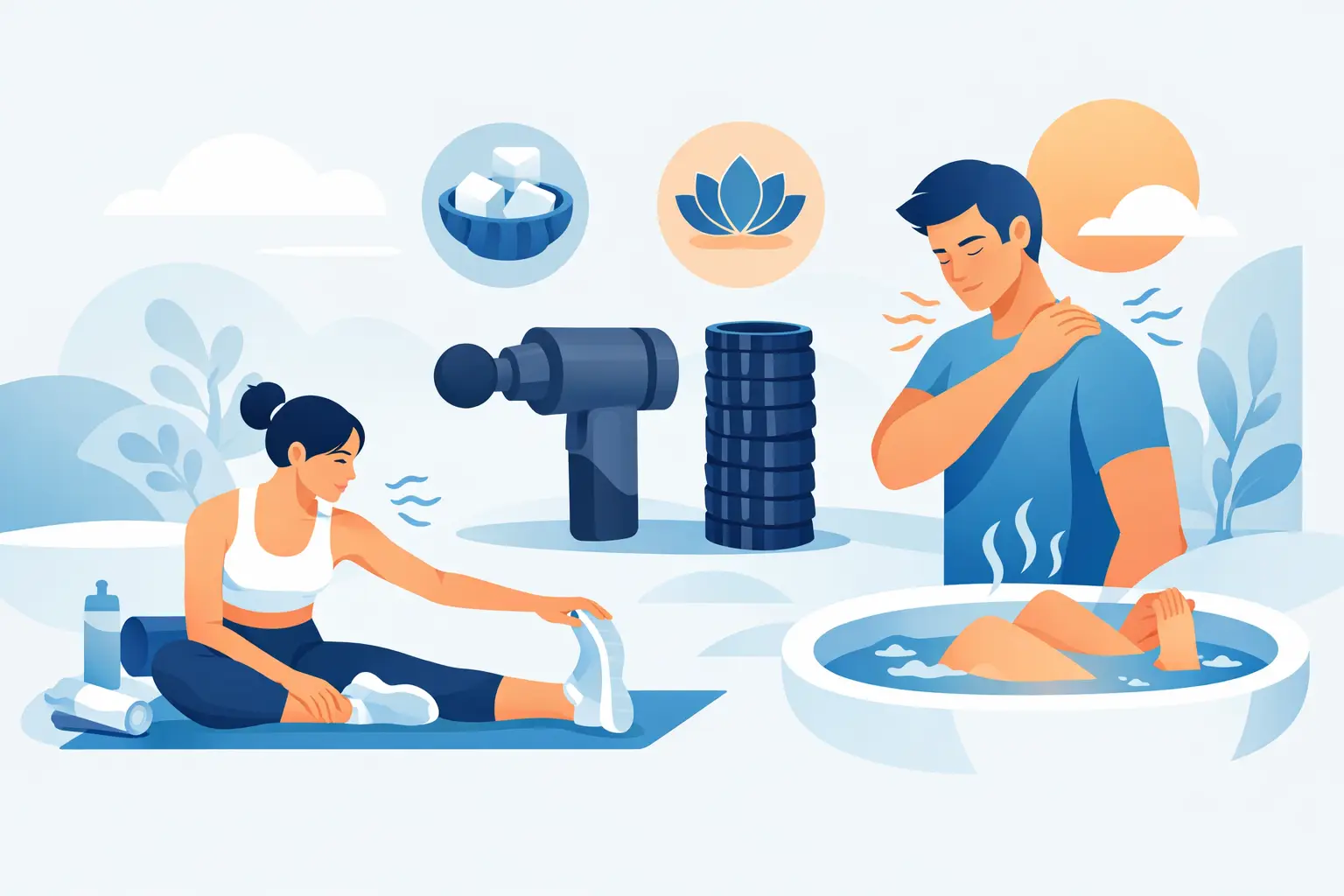
You’ve just finished your workout and, after a few hours, you start to feel tightness, heaviness, or that muscular soreness reminding you of every squat. This post-exercise muscle relief guide is designed for those looking to recover more effectively without hassle, using simple habits and natural formulas that provide freshness, comfort, and muscle rest.
What to Notice After Training and When It’s Normal
Not all post-workout aches mean the same thing. Sometimes there’s an immediate feeling of strain, especially after intense or repetitive exercise. Other times, discomfort kicks in later—when you get up, climb stairs, or move a specific area with less ease than usual.
In many cases, this is to be expected. The muscle has worked, built up tension, and needs time to return to its normal state. The key is distinguishing between common muscle discomfort and a sensation that clearly worsens, severely limits movement, or doesn’t improve with rest and basic care. If the feeling is mild or moderate, a solid recovery plan can make a significant difference.
Step-by-Step Post-Exercise Muscle Relief Guide
Muscle recovery isn’t based on a single action. It works best when you combine several simple steps: cooling down, staying hydrated, caring for the area, and using the right products. There’s no need for a complicated routine, but consistency is key.
1. Lower Your Heart Rate Before Stopping Completely
Stopping abruptly after a workout doesn’t always help. If possible, spend a few minutes on a gradual cool-down with a gentle walk, light mobility work, or controlled stretches. It’s not about pushing harder but giving your body a gentler transition.
Products selected for this guide
Choose the option that best fits your skin and your routine.
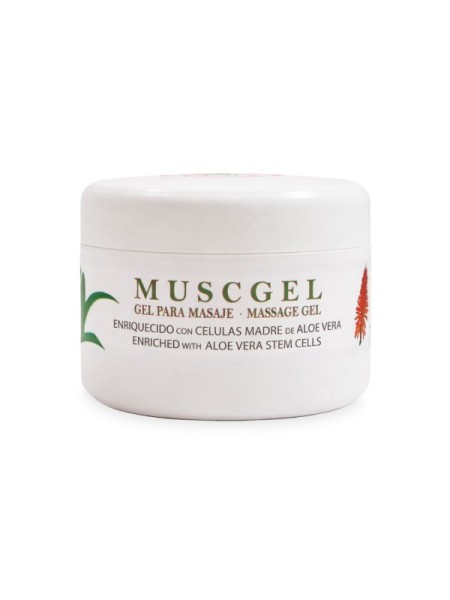
Aloe Vera Muscle Gel 200 ml | Cooling Sports Massage Gel for Tired Muscles
A versatile option for everyday use.
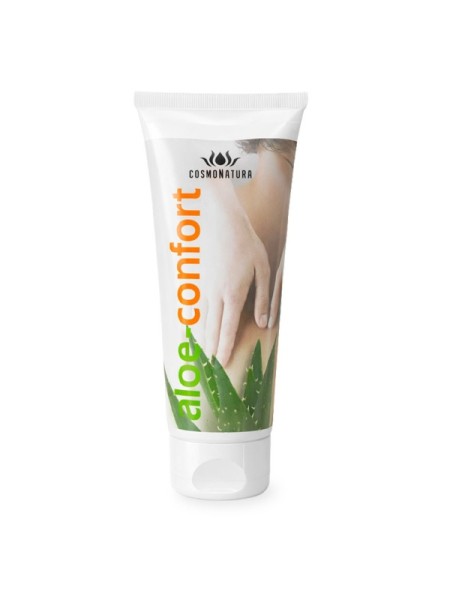
ALOE CONFORT Muscle Cream Gel 250 ml | Arnica, Menthol and Harpagophytum Massage Gel
Designed for more specific care needs.
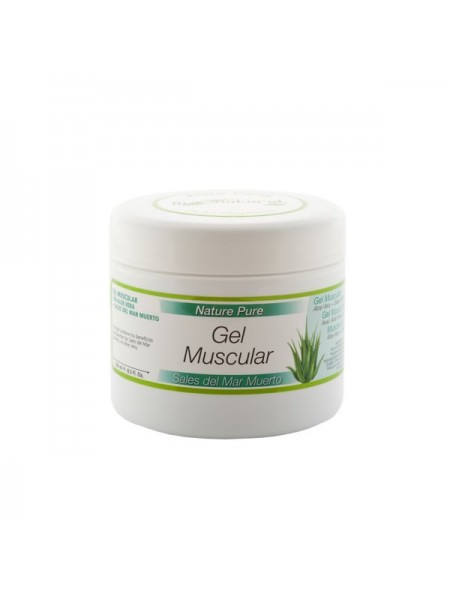
Muscle Massage Gel 500 ml with Aloe Vera, Dead Sea Salts, Arnica and Menthol
A complementary option for a more complete routine.
This brief cool-down can help your muscles relax more effectively and reduce post-workout stiffness. It’s especially noticeable after a challenging leg, back, or intense cardio session.
2. Hydrate Your Body and Your Skin
After exercise, internal hydration matters, but external care is often overlooked. Sweat, sportswear friction, and the post-workout shower can leave the skin feeling sensitive or tight, just when your muscles need comfort the most.
This is where soothing body gels or creams with ingredients like aloe vera come in, offering freshness and relief, and botanical extracts known for muscle care. If the formula also leaves the skin soft and non-sticky, it’s easier to use consistently.
3. Use a Massage Gel When the Area Feels Fatigued
One of the most practical tools for post-exercise muscle relief is massaging with a specific body gel. No professional technique is required—just apply the product to the area and make circular or upward strokes for a few minutes without pressing too hard.
Formulas containing aloe vera, arnica, menthol, ginger, or devil’s claw often work very well at this stage. Aloe provides a comforting feel on the skin. Menthol delivers instant freshness, especially useful when you feel heavy legs or overheated areas after training. Arnica and ginger are highly valued in body products aimed at muscle rest, especially when you want a complete, natural care experience.
If you train in the afternoon or evening, this step can become part of your recovery routine. Applying it when you get home or after a shower is convenient and usually leaves a pleasant feeling of relief.
Which Ingredients to Look for in a Muscle Relief Product
Not all body products serve the same purpose. If your priority is to recover better after exercise, focus less on general claims and more on the formula’s actual function.
Aloe Vera to Soothe and Refresh
It’s one of the most versatile ingredients in body care. In a post-workout context, it stands out for its soothing, light, and pleasant feel on the skin. It also works great for skin that prefers fresh, lightweight textures.
Menthol for an Instant Cooling Sensation
When discomfort comes with heat or heaviness, menthol is often one of the most appreciated actives. While this cooling effect doesn’t solve everything, it provides quick relief and enhances the overall feel of the area.
Arnica, Ginger, and Devil’s Claw as Botanical Support
These ingredients are common in massage gels and body treatments focused on muscle comfort. Their value lies in how they complete the formula, offering a more targeted and intense care experience. If you frequently train or accumulate tension in your back, shoulders, or legs, they’re often a good choice.
Texture and Absorption Matter, Too
An excellent product on paper is useless if it feels cumbersome to use. That’s why it’s best to choose fast-absorbing gels that don’t stain clothing and allow you to dress shortly after. If the scent is also clean and fresh, even better.
Habits That Actually Help You Recover Better
Beyond the product, there are habits that truly make a difference. First, don’t pile effort upon effort when your body is already asking for a break. Training regularly is good, but ignoring overload usually leads to issues.
Sleeping well also matters more than it seems. Many people look for an immediate fix for muscle discomfort and forget that nightly rest is central to recovery. After a particularly tough session, it’s even more important to dial down your overall pace that day.
A warm shower often works better than very hot water when you feel tense. Intense heat can feel soothing in the moment, but it doesn’t always leave the best feeling afterward. It largely depends on the area and the type of discomfort. If you want a feeling of lightness, the controlled coolness of a menthol gel is usually more comfortable.
Moving around a bit the next day also helps. There’s no need for another intense workout. Walking, gentle mobility exercises, or non-bouncing stretching can prevent stiffness from settling in further.
Common Mistakes in Post-Exercise Muscle Relief
One of the most common mistakes is waiting until you’re extremely sore to start taking care of yourself. Recovery works better as a routine than a last-minute rescue. Applying a soothing gel only when you can’t even go down the stairs is better than nothing, but it’s usually more effective to use it in the first hours after exertion.
Another mistake is thinking that the stronger the product’s sensation, the better it works. Not always. Some people prefer a very intense effect, while others feel more comfortable with balanced formulas, especially if they have sensitive skin. There’s no one-size-fits-all answer here—it depends on tolerance, exercise type, and the area to treat.
It’s also wise to avoid overly aggressive massages. If your muscles are fatigued, applying too much pressure can be counterproductive. Consistency beats roughness.
How to Choose a Good Gel or Cream for Post-Workout Use
Start with the practical: which areas you need to treat and how often. If your usual issue is tired legs after walking, running, or being on your feet for hours, a fresh and lightweight gel might be the best option. If you feel it more in your back, neck, or shoulders, you may prefer a slightly more enveloping texture to support the massage better.
Also check the composition. A base of aloe vera is a good sign if you’re looking for skin comfort along with relief. If the formula includes arnica, menthol, ginger, or calendula, you have a very appealing profile for post-exercise body care. Calendula, for example, adds extra care for skin that appreciates gentle formulas.
And one thing not to forget: the best choice is the one you can truly incorporate into your routine. If the packaging is user-friendly, application is quick, and the feel is pleasant, you’ll stick with it more consistently. In a specialized store like Aloeveraymas, these types of products fit well with a clear care philosophy: relieve, refresh, and nourish the skin at the same time.
When to Apply the Product for Maximum Relief
The best time is usually right after your shower or upon finishing activity, once you’ve cooled down and can spend a few minutes on the targeted area. Clean skin allows for more comfortable application, and the massage helps complete your recovery routine.
If discomfort appears later, you can also reapply when you feel tightness or accumulated fatigue. Many people find relief by using it once when they get home and again before bed, especially on days of intense training or physically demanding schedules.
Taking care of your muscles after exercise doesn’t have to be complicated. Sometimes it’s enough to listen to the signal in time, choose a good gel with natural ingredients, and turn relief into a simple habit your body will thank you for the next day.


