
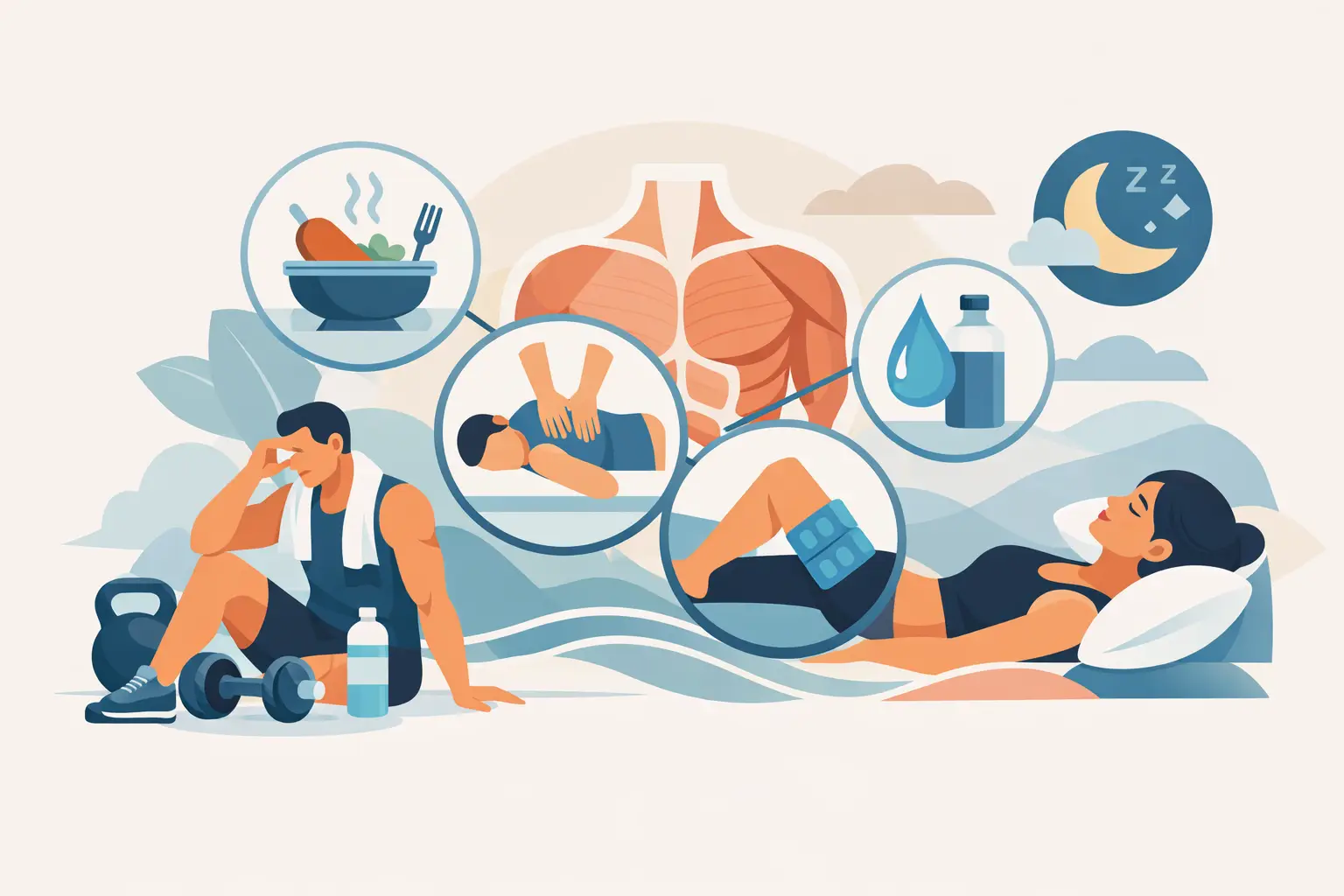
That moment when you finish your workout and feel heavy legs, a tight back, or tense shoulders doesn’t always call for more effort. Often, you need a solid post-workout muscle recovery guide with simple habits that help ease that overloaded feeling and let you return to your routine with better comfort the next day.
When recovery fails, it’s not just sore muscles you notice. You also feel that stiffness when climbing stairs, sitting down, or even sleeping poorly due to built-up tension. That’s why you should treat the post-workout phase as an essential part of body care, just as important as the workout itself.
What a Post-Workout Muscle Recovery Guide Should Include
No need to overcomplicate it. Effective recovery usually relies on four pillars: gradually lowering your heart rate, rehydrating, resting the muscles, and applying targeted care to particularly tense areas. The key is consistency and adapting your recovery level to the workout’s intensity.
A gentle mobility session isn’t the same as an intense strength workout or a long walk after days off. In the first case, a light stretch, a quick shower, and moving on with your day may suffice. In the latter, you’ll appreciate spending extra minutes massaging your legs, calves, back, or shoulders with a refreshing or soothing product.
The First Step: Don’t Stop Abruptly
One of the most common mistakes is finishing an intense session and immediately crashing onto the couch or into your car. Your body needs a short transition. Walking for a few minutes, gently moving your joints, and taking deep breaths helps ease that tense feeling.
Products selected for this guide
Choose the option that best fits your skin and your routine.
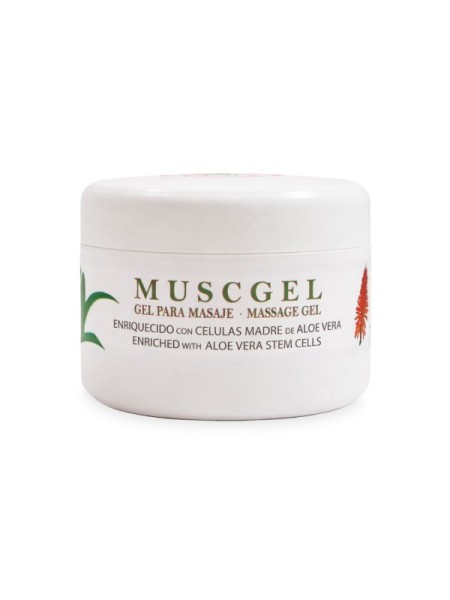
Aloe Vera Muscle Gel 200 ml | Cooling Sports Massage Gel for Tired Muscles
A versatile option for everyday use.
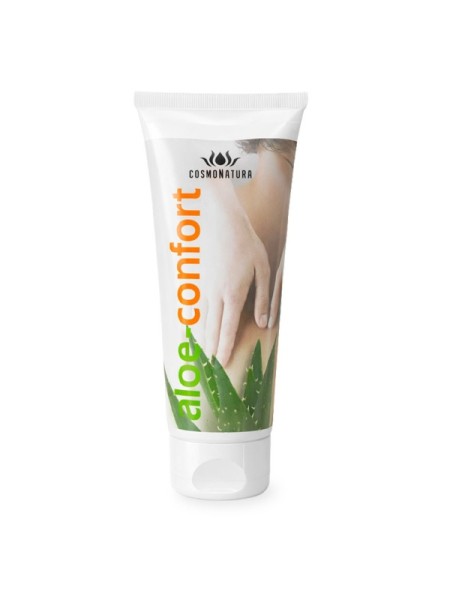
ALOE CONFORT Muscle Cream Gel 250 ml | Arnica, Menthol and Harpagophytum Massage Gel
Designed for more specific care needs.
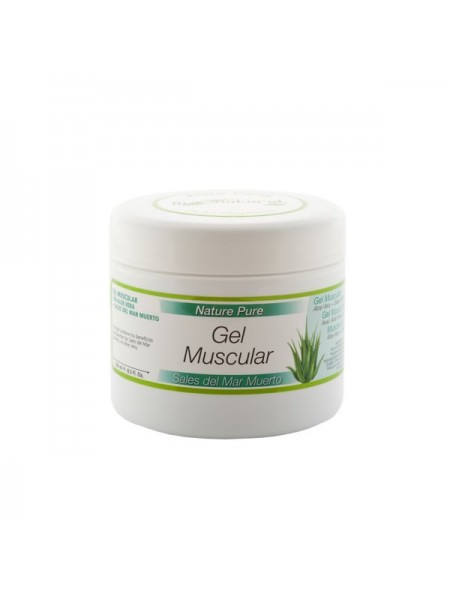
Muscle Massage Gel 500 ml with Aloe Vera, Dead Sea Salts, Arnica and Menthol
A complementary option for a more complete routine.
This transition also prepares your skin and muscle tissue for any follow-up care. If you’re going to apply a body gel with aloe vera, arnica, menthol, or ginger, you’ll notice better coverage and a more pleasant sensation in the worked area.
When to Do Gentle Stretching
Stretching makes sense when done gently. After exercise, aim for ease, not depth. Holding a comfortable stretch for a few seconds can help relieve tension, but pushing too hard when your muscles are fatigued can be counterproductive.
If you feel high sensitivity, localized stiffness, or general fatigue, sometimes a short walk and an external massage work better than a lengthy stretching session.
Hydration and Rest: Two Basics You’ll Really Feel
Some recovery routines look complete but overlook the simplest things. Drinking water after training and getting good rest remain among the most reliable ways to support recovery. When your body is dehydrated, that heavy feeling intensifies and muscle comfort decreases.
Rest also makes a big difference. A short night after an intense session often takes its toll the next day—not only in fatigue but also because that overloaded feeling lingers longer. If you train in the afternoon or evening, finishing with a warm shower and a relaxing massage can help your body wind down.
Targeted Care: When a Massage Gel Makes All the Difference
This is where many people see a real change in their routine. When discomfort isn’t general but focused in the calves, thighs, lower back, or neck, targeted care makes sense. Applying a body gel after training can provide cooling relief, immediate comfort, and practical relief that helps you carry on.
Products with aloe vera are especially appealing when you want a pleasant, lightweight, and easy application. If they also include ingredients like arnica, menthol, ginger, or harpagofito, the effect on muscle fatigue can be even more comprehensive. It’s not just about “putting on cream” but turning that gesture into a small functional recovery ritual.
How to Apply It for Better Results
How you use it matters. Ideally, apply the product on clean, dry skin with a medium-intensity massage, without pressing too hard. On the legs, stroke upward from the ankle in long motions. On the back, shoulders, or neck, focus a bit more on tension areas—always without causing discomfort.
If the product feels cooling, it’s especially good after intense sessions or on hot days. If you prefer a more comforting sensation, calming botanical extracts may be better suited for accumulated fatigue or stiffness after several workouts in a row.
Skin Care Matters After Exercise Too
A post-workout muscle recovery guide usually focuses on muscles and not enough on the skin. However, sweat, fabric friction, frequent showers, and temperature changes can leave skin dry or sensitive, especially on the legs, arms, and back.
That’s why it’s wise to choose body products that not only relieve muscle tension but also care for the skin. Aloe vera stands out for this dual function: it soothes and provides a pleasant hydration boost after your shower. If your skin tends to dry out easily, you’ll notice this benefit with continued use.
Common Post-Workout Mistakes
There are small habits that seem harmless but hinder recovery. One is ignoring early signs of overload and pushing intensity for several days in a row. Another is waiting hours before addressing a very tense area. The sooner you care for muscle after effort, the easier it is to regain comfort.
It’s also best to avoid overly heavy products if you dislike a sticky feeling or need to get dressed right away. In those cases, a fast-absorbing gel is usually more practical for daily use. The best routine isn’t the longest one but the one you actually stick to.
How to Adapt Recovery to Your Exercise Type
Not all workouts require the same recovery. After a strength session, tension usually focuses on specific muscle groups, making a localized massage effective. After walking, running, or spending many hours standing, many people appreciate that cool feeling in the legs and calves.
If your exercise is gentle but repeated several days in a row, you may experience a milder yet still uncomfortable cumulative load. In those cases, a short, consistent routine often works better than waiting until fatigue becomes more pronounced.
A Simple 10-Minute Routine
If you want something realistic, try this sequence: walk for two to three minutes after finishing, drink water, take a warm shower, and massage a body gel into the key areas for three to four more minutes. If you also get a good night’s sleep, you’ve got a solid foundation.
No need to do more if this is what you can keep up. Effective recovery isn’t always about extra time but about attention at the right moment.
What to Look for in a Post-Workout Product
Texture matters a lot. Gel formats are convenient because they spread easily and leave a light feel. If you also want relief and coolness, botanical ingredients make a difference. Aloe vera ensures a pleasant, skin-friendly application. Menthol offers an immediate cooling effect. Arnica and ginger are highly valued in formulas designed for post-exercise body massage.
If you have sensitive or dry skin, prioritize formulas that offer skin comfort in addition to functional effect. That combination of muscle relief and skin care fits especially well into daily routines because it simplifies steps and avoids multiple products.
At Aloeveraymas, this approach makes perfect sense: caring for the body after training not only relieves that loaded feeling but also keeps your skin comfortable, hydrated, and well-treated.
When to Slow Down Instead of Pushing Harder
Sometimes the best recovery isn’t adding more steps but pausing a bit. If an area stays tense for several days, your body might be asking for lower intensity, more rest, or a better balance between tough sessions and easy days. Listening to that signal prevents daily discomfort from becoming routine.
Good recovery isn’t a luxury or an afterthought. It’s a practical way to care for yourself, move more comfortably, and make your effort worthwhile even after the workout is over.


