
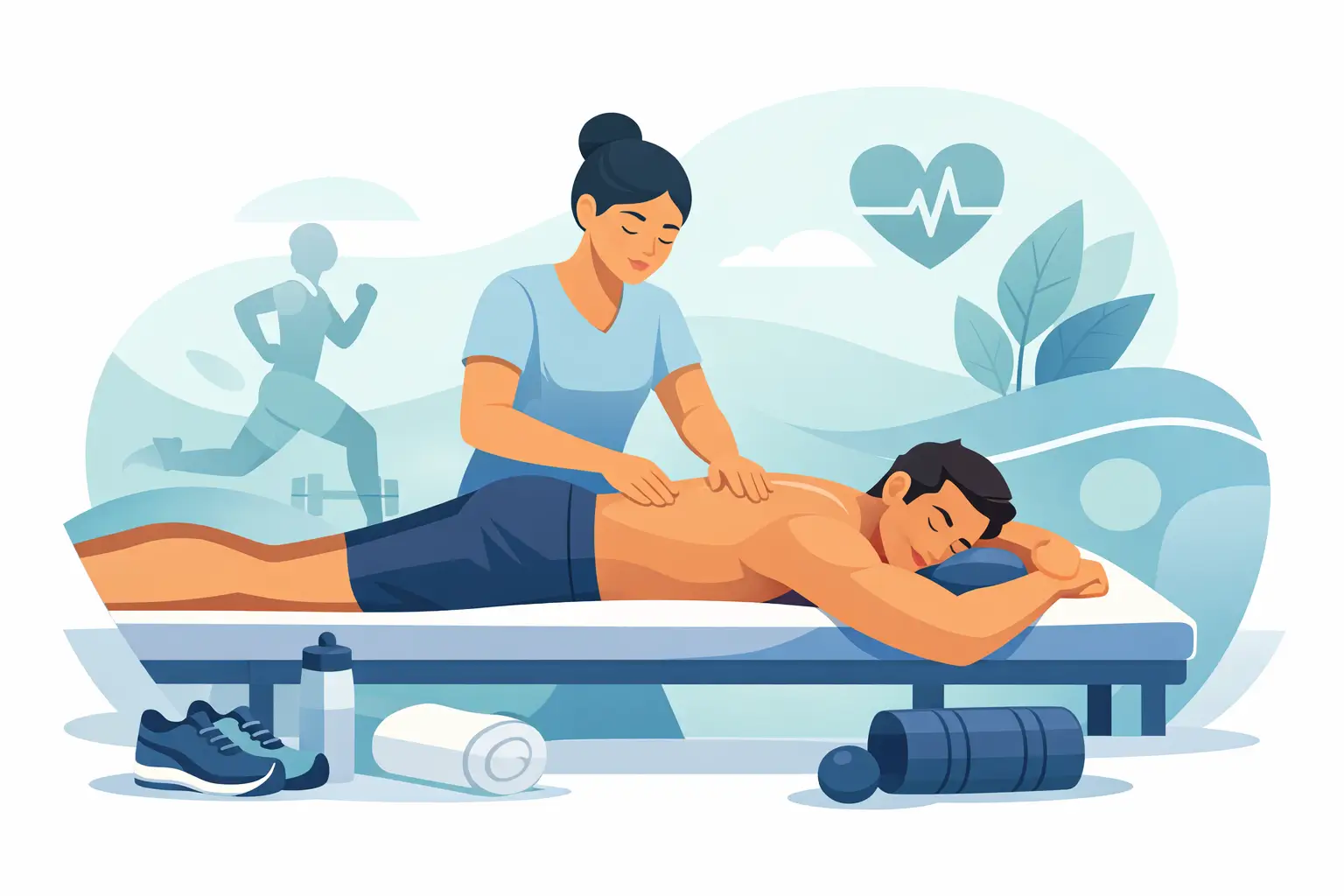
When you finish working out, your body doesn’t always cool down as quickly as you do. Your legs may feel heavy, your back tight, or your shoulders fatigued even after a moderate session. This post-workout massage guide helps you turn a few minutes of body care into a simple ritual of relief, refreshment, and recovery.
A post-workout massage isn’t intended to replace rest, proper hydration, or a gradual cooldown. Instead, it complements these habits by easing tension, offering comfort, and allowing you to apply body-care products that leave your skin smooth and supple. You don’t need a complex technique or a long routine. The key is choosing the right moment, pressure level, and gel or cream.
When to Do a Post-Workout Massage
There’s no need to start right after your last rep. First, take a few minutes to lower the intensity with gentle movements, a light walk, or comfortable stretches. When your breathing has returned to normal and your skin isn’t too hot or sweaty, it’s a good time to shower and apply the massage.
In most cases, five to ten minutes is enough. If you’ve worked a specific area—like legs after a run or shoulders after strength training—you can focus there. On lighter days, a short massage can simply offer a sense of rest and help keep your skin hydrated.
It’s best to wait if the area is very sensitive to touch, has visible irritation, an open wound, or unusual pain. In those cases, don’t force the massage or apply products to compromised skin. Body care should feel soothing, not like a test of endurance.
Products selected for this guide
Choose the option that best fits your skin and your routine.
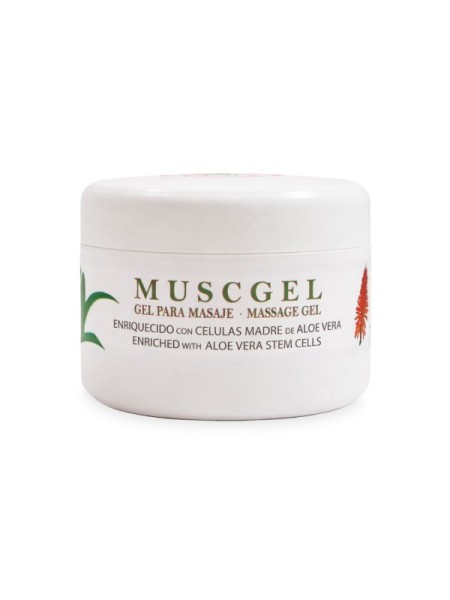
Aloe Vera Muscle Gel 200 ml | Cooling Sports Massage Gel for Tired Muscles
A versatile option for everyday use.
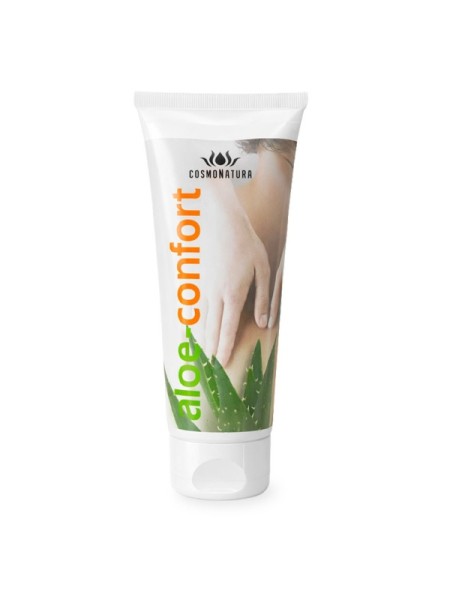
ALOE CONFORT Muscle Cream Gel 250 ml | Arnica, Menthol and Harpagophytum Massage Gel
Designed for more specific care needs.
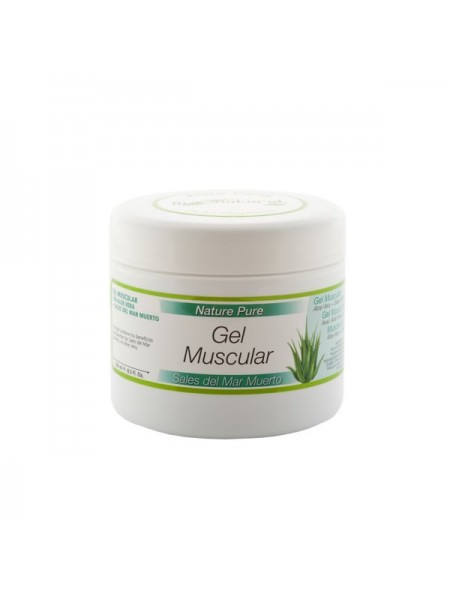
Muscle Massage Gel 500 ml with Aloe Vera, Dead Sea Salts, Arnica and Menthol
A complementary option for a more complete routine.
Step-by-Step Post-Workout Massage Guide
Start with clean, dry skin—or slightly damp if your product spreads better that way. Place a small amount of massage gel or body cream in your hands and rub them together for a few seconds to distribute it evenly. Only add more if necessary: too much product can make your hands slip and reduce precision.
1. Warm Up the Area with Wide Strokes
Place your palms on the skin and make long, slow, continuous strokes. On the legs, work from the ankles toward the thighs; on the arms, from the wrists up to the shoulders. For the back, glutes, or calves, adapt the direction to the area in a comfortable way, avoiding direct pressure on joints or bones.
This initial contact prepares the skin and helps distribute the product. Keep the pressure light. If you’ve just done an intense workout, the goal is not to go deep, but to transition from activation to a more relaxed sensation.
2. Focus on Circular Motions
After a few strokes, use your fingertips or the base of your palm to make slow circles over the muscles that feel most tight. Calves, thighs, the upper back, and shoulders often appreciate this gesture, especially if you’ve been in the same position for a while or repeated a specific movement pattern.
The pressure should be moderate and always tolerable. A simple rule of thumb is that you should feel the work but not have to hold your breath or tense up to endure it. More force doesn’t mean more relief. Sometimes steady, gentle contact is far more comforting.
3. Finish with Gentle Strokes
End by easing up on the pressure and returning to the broad strokes from the beginning. This closing phase adds a feeling of lightness and lets the gel or cream absorb slowly. If the product has a cooling effect, wait a few minutes before dressing to enjoy the freshness without the fabric wiping it away.
Which Product to Use Based on Muscle Sensation
Choosing the right product can transform the experience. Post-workout, gel formulas are often very practical because they spread quickly, rarely feel heavy, and are convenient when you need to get dressed soon after. A richer cream may be a better fit if you want extra comfort for dry skin or skin exposed to frequent showers.
Aloe vera is an especially appealing base for post-exercise body care. It provides hydration and a pleasant application—useful when your skin needs to regain softness after sweat, showering, or friction from workout clothes. Combined with plant extracts, it helps create a routine that cares for both skin and tired muscles.
Arnica gels are a common choice for massaging tired areas after activity. If you like a cooling sensation, look for menthol formulas—they feel refreshing on legs and feet after walking, running, or long hours on your feet. Ginger and devil’s claw are also popular in body massage products, especially if you prefer a warmer, more comforting feeling.
Not every session calls for the same thing. After a summer walk, you might prefer a light gel with aloe vera and menthol. After a cold strength training session, a more emollient massage cream may feel more comfortable. Listen to your skin’s response and choose based on sensations, not just habit.
Areas That Deserve Extra Attention
Legs often bear the brunt of daily effort. To massage calves, sit with your foot supported and use both hands to work from the ankle up to the knee, taking your time. For thighs, use your palms in long strokes, then follow with gentle circles on the tightest areas.
Shoulders and the upper back require less intensity than you might think. You can apply the product with one hand and make small circles on the top of the shoulder. For the back, a massage tool or the help of another person can make it easier, but avoid chasing areas you can’t reach comfortably and ending up with poor posture.
Feet are often overlooked, even though they support every step of your workout and your day. Spend a minute or two on the sole, heel, and instep using a cooling gel. It’s a small routine that can make a big difference in your end-of-day comfort.
Mistakes That Can Undermine Comfort
The first is massaging too intensely under the assumption that harder pressure equals better results. If the area is tired, aggressive pressure can feel unpleasant and cause you to tense up. It’s also important to avoid rushing through the massage: three calm minutes often deliver more than ten minutes of hurried movements.
Another common mistake is applying a product without considering your skin type. If you have sensitive skin, test a small amount first and avoid formulas that cause discomfort. Wash your hands after using gels with menthol or potent extracts, especially before touching your eyes, lips, or other delicate areas.
Finally, don’t turn massage into the only response to fatigue. Getting enough sleep, staying hydrated, varying your workout intensity, and respecting rest days are all part of reasonable recovery. Massage is an accessible complement—not a daily obligation or a cure-all.
A Realistic Routine You Can Keep
The best routine isn’t the longest one, but the one you can stick to. Keep your body massage gel next to your towel or wherever you store your workout clothes. That way, after your shower, you’ll have a handy reminder to spend five minutes on your legs, shoulders, or feet.
At Aloeveraymas, our body care products with aloe vera, arnica, menthol, and botanical extracts are designed to seamlessly integrate that moment of well-being into your daily life. Choose a texture you enjoy using and save your massage for when your body asks you to slow down. That small gesture can help you finish your workout with the same attention you started with.


