
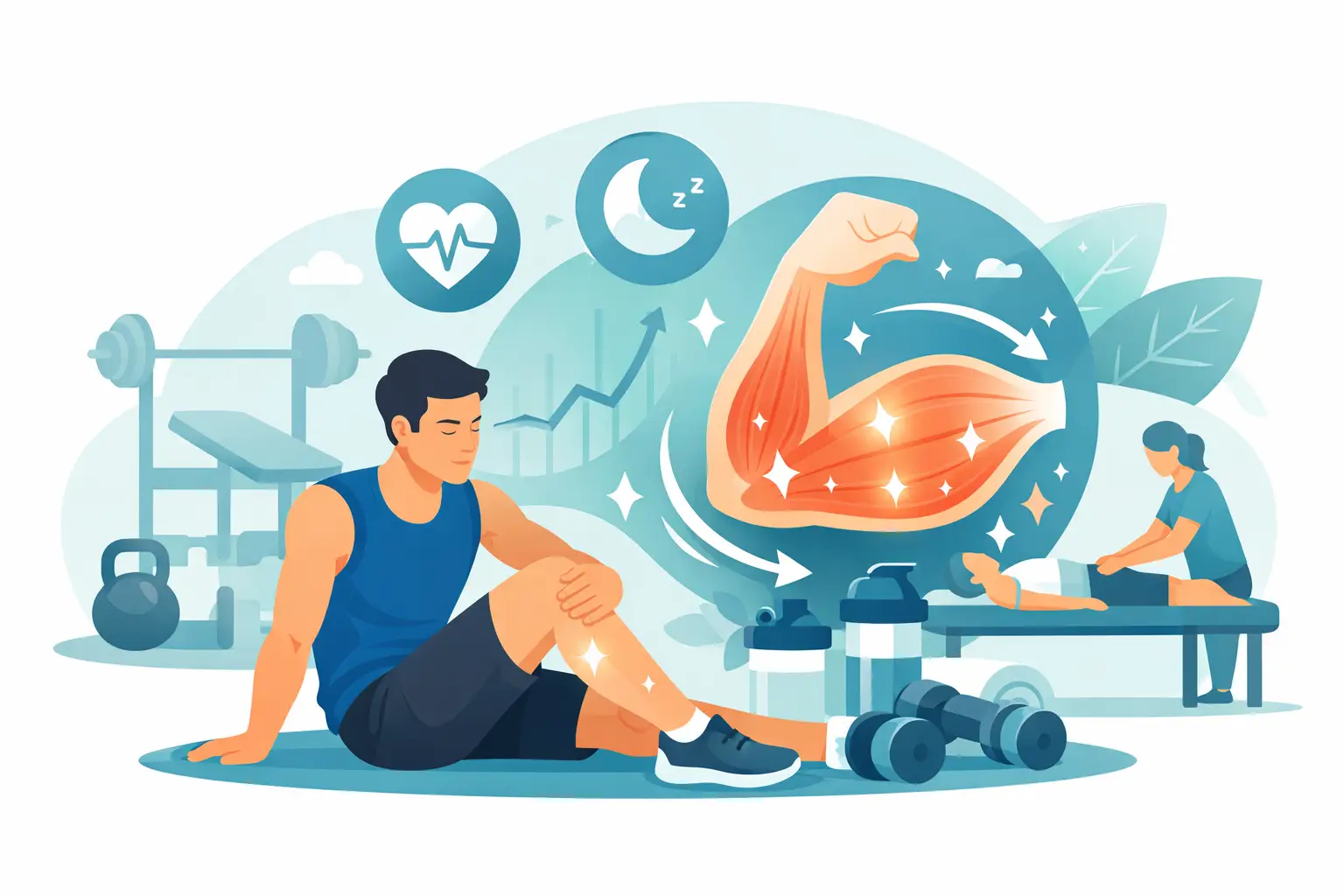
You’ve just finished an intense session and, as you cool down, that familiar feeling sets in: heavy legs, tight muscles, and the usual question of how to help your body recover better. Muscle recovery after the gym doesn’t depend on a single factor. It’s usually the result of several simple habits that, when done right, help reduce fatigue, relieve tension, and get you back to training feeling your best.
There’s no need to complicate things with impossible routines. For most people, better recovery boils down to four clear pillars: rest, hydration, gentle movement, and targeted care of the worked area. And if you choose bodycare products with soothing, refreshing ingredients, the process is often more comfortable—especially when zones like calves, lower back, shoulders, or quadriceps are particularly tight.
What affects muscle recovery after the gym
Not all workouts leave you equally fatigued, and not every body responds the same. A heavy leg strength session, for example, usually leads to more stiffness the next day than a light upper-body routine. Age, fitness level, sleep quality, stress, and even how long you sit after training also play a role.
That’s why there’s no one-size-fits-all formula. Some days, proper hydration and rest will be enough. Other days, you’ll appreciate a massage with a cooling-effect gel or a body cream with aloe vera, arnica, or menthol to relax the area. The key is to listen to your body and not wait until you’re completely sore before you start caring for it.
The first thing to do right after training
The moments immediately after exercise matter more than you might think. If you go from an intense session straight to sitting for hours, it’s normal to feel heavier. In contrast, a few minutes of transition help a lot.
Products selected for this guide
Choose the option that best fits your skin and your routine.
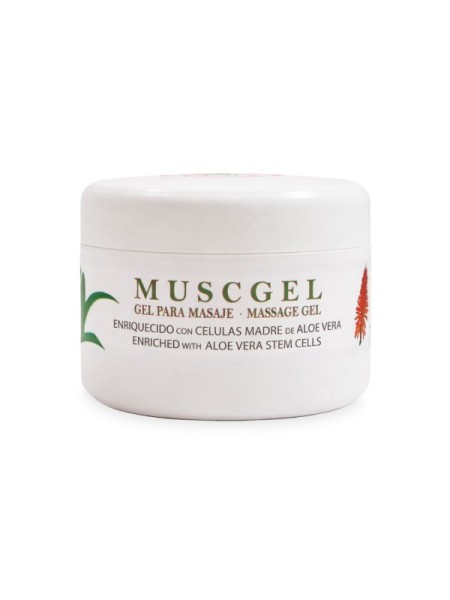
Aloe Vera Muscle Gel 200 ml | Cooling Sports Massage Gel for Tired Muscles
A versatile option for everyday use.
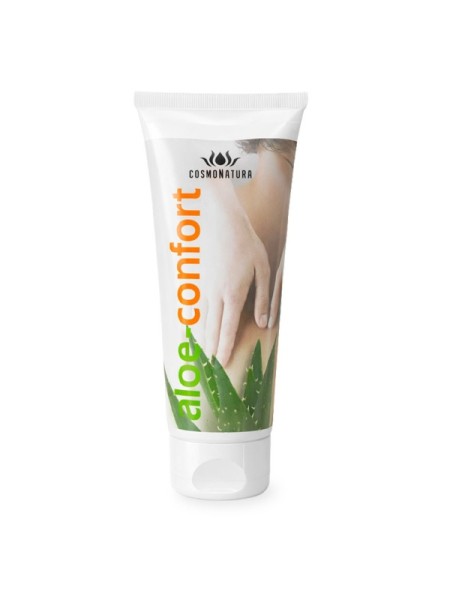
ALOE CONFORT Muscle Cream Gel 250 ml | Arnica, Menthol and Harpagophytum Massage Gel
Designed for more specific care needs.
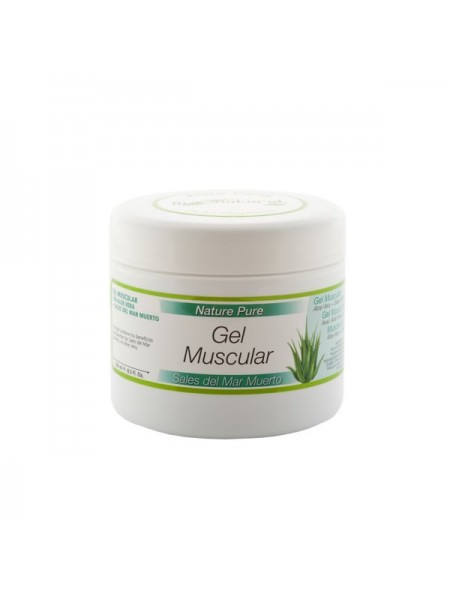
Muscle Massage Gel 500 ml with Aloe Vera, Dead Sea Salts, Arnica and Menthol
A complementary option for a more complete routine.
Slowing down gradually is a good first step. Walking for a few minutes, gently moving your joints, and doing light stretches can prevent your body from locking up. You don’t need a half-hour cool-down—just a brief, consistent cooldown usually does the trick.
Next comes something simple that’s often overlooked: drinking water. If you’ve sweated heavily, hydration directly affects how you feel in the hours that follow. It’s not miraculous, but it’s part of good recovery. It’s also wise to have a balanced post-workout meal with protein and carbs, especially after strength training or a long session.
Rest and sleep – the step you’ll notice most
Sometimes we chase the best gel, the best massage, or the perfect post-workout routine and forget the most crucial factor: sleeping well. During the night, your body reorganizes and recovers from the day’s wear. If you string together several nights of poor sleep, muscle fatigue usually increases.
You can’t always sleep perfectly, of course. But it helps to mind a few details: avoid heavy dinners, don’t train too late if it keeps you awake, and build in breaks rather than piling week after week of effort. Training hard every day doesn’t always mean more progress—it often means showing up to the next workout feeling more worn out.
Local care to relieve the feeling of heaviness
This is where many people notice a real change in daily comfort. When an area feels tense or tired, applying a suitable body product and spending a few minutes self-massaging can make all the difference. It doesn’t replace rest, but it complements it very well.
Massage gels with aloe vera are especially practical because they feel pleasant on the skin and fit seamlessly into a simple recovery routine. If they also include arnica, menthol, ginger, or devil’s claw, they often provide a sought-after soothing or cooling effect after exercise. On legs and back, for example, that refreshing sensation can be just what your body needs after an active day.
Aloe vera also has an interesting profile for this use because it helps care for the skin while you massage. This is appreciated by people with sensitive or dry skin who don’t want to choose between body comfort and pleasant cosmetics. That blend of skin care and functional relief fits perfectly into a realistic routine—one you can actually maintain over time.
How to apply a post-workout gel or cream
Application matters. Ideally, spread the product on a clean area with a medium-intensity massage, without pressing too hard. On quads, calves, shoulders, or the lower back, use slow, steady movements for a few minutes. It doesn’t need to be a long ritual—five focused minutes is usually enough to feel relief.
If you’re after a cooling effect, menthol feels very pleasant after intense workouts or on hot days. If you prefer a more soothing sensation, formulas with arnica or ginger may suit you better. It all depends on the moment, the area, and your preference. And that “it depends” is actually the most useful way to choose.
Active recovery – moving a little helps more than total rest
When you’re sore or stiff, the usual reaction is to not move. That can bring short-term relief, but it’s not always the best long-term solution. In many cases, muscle recovery after the gym improves with gentle movement the next day.
Walking, light mobility work, easy cycling, or a few minutes of easy stretching can help your muscles feel less rigid. It’s not about doing another hard workout, but staying active without adding more load. This often works especially well after strength training, intense group classes, or long days on your feet.
If you’re generally fatigued, you might need a quieter day. If only one area is sore, you can combine gentle movement with local massage. The idea isn’t to do more for the sake of it, but to give your body what it needs that day.
Signs that your recovery routine isn’t enough
There are little signals worth watching. If you train often and feel accumulated heaviness for several days, if morning stiffness lasts too long, or if every session feels tougher than the last, your recovery probably needs tweaking.
Sometimes the issue isn’t training too much but recovering too little. Skipping hydration, sleeping poorly, not eating enough after exercise, or neglecting the most fatigued areas always catches up with you. Consistency matters, too. Applying a cooling gel only when you’re already very sore helps, but it works better as part of a regular post-workout habit.
A simple routine you can stick to
Most people don’t need a complicated protocol to feel better. A practical outline might be: after you finish, cool down and walk for a few minutes; then hydrate and eat well; at home or after your shower, apply a body gel with aloe vera and actives like arnica or menthol to your worked areas; later, keep some gentle movement going and prioritise a good night’s sleep.
The beauty of this routine is that it doesn’t demand much time or technical know-how. It fits whether you train three times a week or more occasionally. And above all, it delivers what many people truly want: relief, freshness, comfort, and lighter-feeling legs and muscles the next day.
In a specialist store for body wellness and natural care like Aloeveraymas, this kind of product makes perfect sense: they help turn recovery into something easy to sustain, without complications, using ingredients that also care for your skin.
When to choose natural formulas for post-exercise care
If you value pleasant textures, plant-based ingredients, and convenient daily application, natural post-workout massage formulas are a very logical choice. Aloe vera provides a versatile base, while calendula can be interesting when you want a softer feel on the skin. Menthol cools, arnica is linked to body care after effort, and ginger works well in products designed for tired areas.
Not every skin type or routine demands the same thing. Some prefer a fast-absorption gel for daily use, while others look for a creamier texture for a few extra minutes of massage. What matters is that the product feels nice to use—because that greatly boosts consistency. And in recovery, consistency usually yields better results than one-off solutions.
Caring for your body after training isn’t a luxury or an indulgence. It’s the step that lets you keep up your routine without feeling like each session takes too much of a toll. If you find a combination that works for you—rest, water, gentle movement, and good local care with aloe vera and soothing actives—you’ll likely notice the benefits very soon.


