
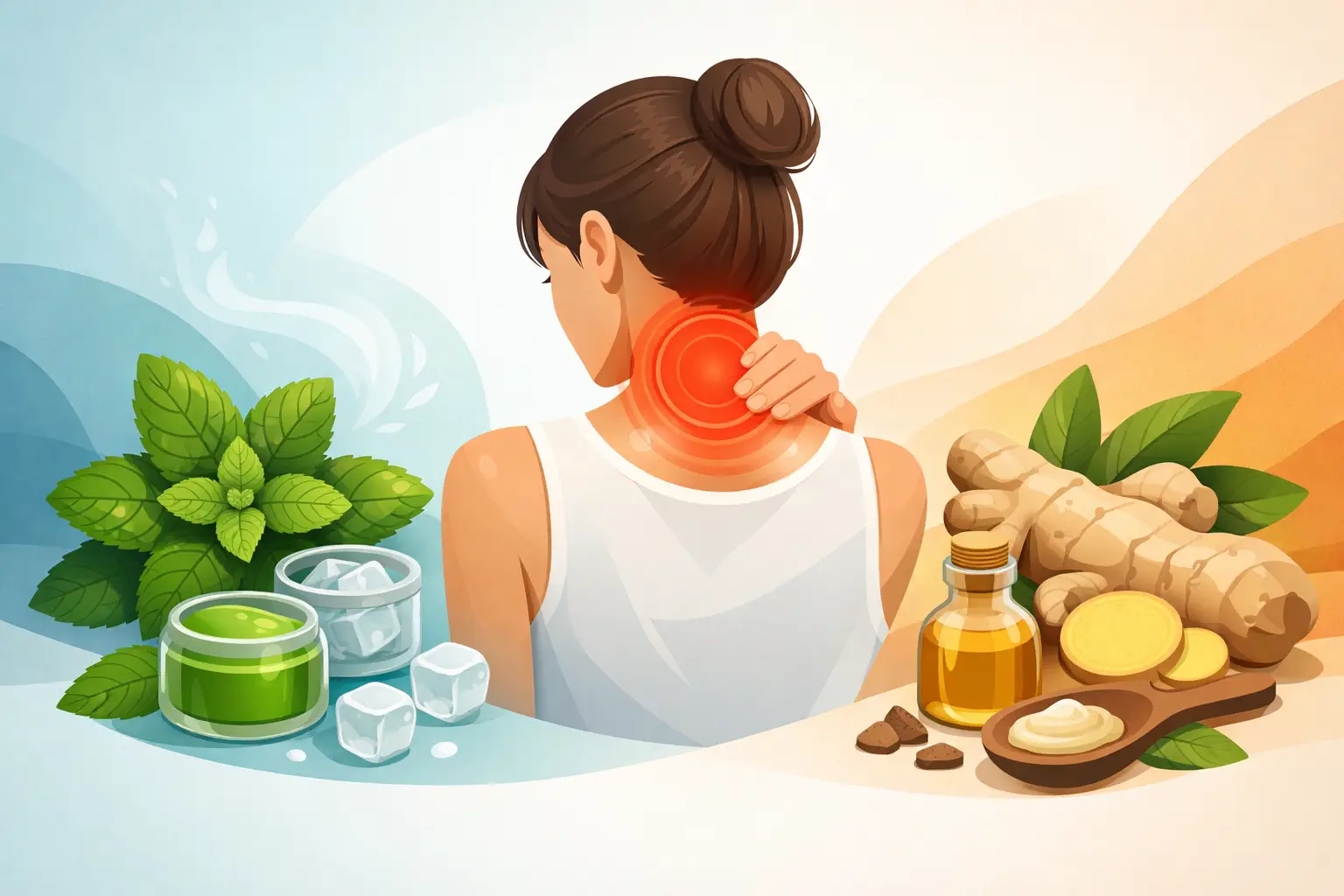
After a long hike, a workout session or a day spent sitting for hours, the body doesn’t always need the same relief. The question between menthol or ginger for muscles arises because both ingredients are linked to localized relief, but their sensation on the skin and the moments when they feel most pleasant differ.
Menthol stands out for its immediate cooling effect. Ginger offers comforting warmth that pairs perfectly with massage. Choosing isn’t about deciding which is “better” in absolute terms, but about identifying what your body needs at that moment: freshness, a sense of relief, gentle heat or a deeper, leisurely massage.
Menthol or ginger for muscles: noticeable differences
A menthol body gel usually delivers a quick, cold sensation on application. That freshness is especially welcome when your legs feel heavy, after physical exertion or at the end of a busy day on the move. It’s also a practical choice if you want a product that absorbs well without leaving a greasy feel before dressing.
Ginger, on the other hand, is linked to a warmer experience. In body massage formulas, it provides a comforting feel that invites you to spend a few minutes working the area with your hands. It’s a common pick when tension builds in the shoulders, back, neck or legs and you want to slow down.
The main difference isn’t just the ingredient, but the user experience. Menthol feels more lively and refreshing; ginger, more enveloping. Many people find it useful to keep both options at home to adapt body care to each moment.
Products selected for this guide
Choose the option that best fits your skin and your routine.
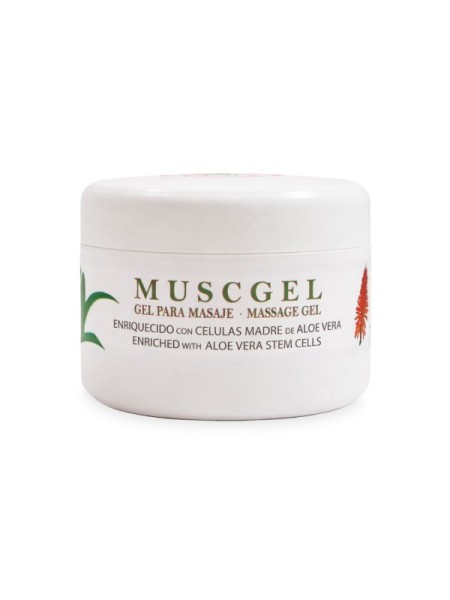
Aloe Vera Muscle Gel 200 ml | Cooling Sports Massage Gel for Tired Muscles
A versatile option for everyday use.
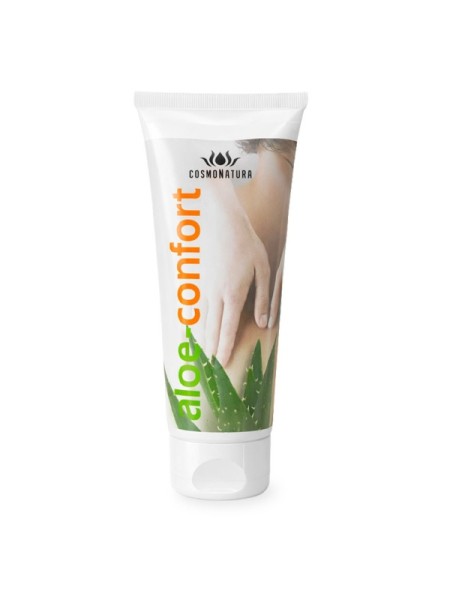
ALOE CONFORT Muscle Cream Gel 250 ml | Arnica, Menthol and Harpagophytum Massage Gel
Designed for more specific care needs.
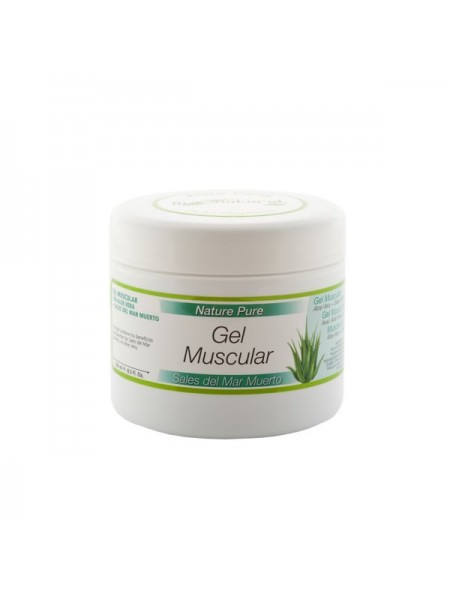
Muscle Massage Gel 500 ml with Aloe Vera, Dead Sea Salts, Arnica and Menthol
A complementary option for a more complete routine.
When to choose menthol for muscles
Menthol works best when you feel tired after activity, especially in the legs, calves or feet. Applying a cooling gel after walking, training or standing for long periods turns massage into a quick recovery and wellness ritual.
It’s also a good choice during warm months or when you prefer to avoid heavy textures and warming sensations. A product with aloe vera and menthol combines freshness with a pleasant application for the skin, making it useful if you want to keep your routine simple and comfortable.
To use it, apply a moderate amount to clean, dry skin and spread with gentle circular movements. On the legs, start near the ankles and move upward gradually. No need to press hard: consistency and a calm massage often feel better than an intense application.
Menthol isn’t reserved just for sports. It can be a great ally when you come home from running errands, traveling, working on your feet or finishing a particularly active day. Its strength is immediacy: a brief application can bring relief without disrupting the rest of your routine.
When to choose ginger for muscles
A ginger massage gel or cream is especially pleasant when an area feels stiff or when you want to spend more time on self-massage. Its warming character goes well with an evening routine, after a lukewarm shower or on cold days when shoulders and back need a pause.
Ginger works very well for localized massage. You can apply the product to the neck, traps, lower back, thighs or calves and work in slow movements. For large areas like the back, it’s practical to ask someone else to help or use the product at the end of the day when you don’t need to rush.
Not all skin types react the same to warming actives. If your skin is sensitive or you haven’t used a ginger formula before, test a small amount on a limited area first. This lets you check how it feels and adjust the amount without giving up a pleasant body-care routine.
The formula matters as much as the main ingredient
When choosing between menthol or ginger for muscles, look at the full formula. An ingredient never works alone: texture, absorption rate and complementary extracts all affect the final experience.
Aloe vera is a valuable addition to body products because it ensures a smooth, comfortable application. It can help make massage more pleasant, especially if your skin tends to feel dry after a shower or after exposure to cold and fabric friction.
The arnica and devil’s claw are other common extracts in daily-use massage gels. You don’t need a formula loaded with endless ingredients. The most useful choice is a product that meets your specific need and that you’ll want to use regularly. If you dislike the scent, texture or finish, it will end up forgotten on the shelf.
Generally, gels work well when you seek a light, quick and cooling application. Creams or balms may be better if you enjoy a slower massage or want extra nourishment for your skin. No texture is universally superior: it depends on the area, the moment and your preferences.
How to incorporate muscle massage into your routine
The best product is the one you use at the right time. After exercise, set aside five minutes to gently stretch, drink water and apply a body gel if it feels soothing. If you choose menthol, a thin layer on your legs or targeted area can bring that freshness you’re after at the end of your session.
For the end of the day, ginger can accompany a slower ritual. Warm your palms, apply the product and make slow circles. On the shoulders, move from the top of the arm toward the neck. On the legs, work from bottom to top with comfortable pressure. The goal isn’t to force the muscle but to gift yourself a few minutes of care.
Regular use often brings more satisfaction than a single heavy application. Keeping the gel at hand in the bathroom, with your workout gear or on your nightstand can help turn this step into a realistic habit. Just as you care for your skin daily, your body also benefits from a simple routine adapted to its needs.
Precautions for using menthol and ginger comfortably
Use these products only on intact skin and avoid contact with eyes, mucous membranes or freshly shaved or irritated areas. Wash your hands after application, especially before touching your face. It’s also not advisable to combine large amounts of cooling or warming products with external heat sources.
Perform a tolerance test if it’s your first time using the formula, follow the package instructions and stop use if you notice discomfort. If irritation is intense, follows a significant impact or doesn’t improve with rest, seek advice from a healthcare professional.
You don’t need to pick a single winner between menthol and ginger. A refreshing gel can be that little relief after a walk, while a warming massage formula can accompany you when you need to stop, breathe and care for a tired area more calmly. Listening to that difference is a simple, natural way to attend to your body.


