

Dry skin often gives warning signs before it worsens: tightness after showering, rough patches on cheeks or forehead, fine flaking, and that feeling that no cream lasts long enough. If you’ve come here looking for how to hydrate dry skin naturally, the good news is you don’t need a complicated routine. What you do need is consistency, high-quality ingredients, and to avoid certain habits that, without you realizing it, can dry you out even more.
How to Hydrate Dry Skin Naturally Without the Hassle
When skin is dry, it’s not just lacking water. Often it also needs lipids to help lock that moisture in. That’s why an effective natural routine isn’t based solely on applying “something moisturizing,” but on combining humectant, soothing, and nourishing ingredients.
Here, aloe vera fits nicely because it brings freshness and comfort without feeling heavy. If you combine it with hyaluronic acid, calendula, or rosehip oil, the result is usually more complete: skin feels more pliable, less tight, and looks healthier. You don’t need lots of products, but you do need to choose formulas that work together.
It’s also important to understand that natural doesn’t mean homemade at any cost. Some DIY mixtures can irritate or fall short. Dry skin benefits from simple, safe solutions that are easy to maintain each day.
What Dries Out Your Skin Without You Noticing
Sometimes the issue isn’t just lack of hydration, but everything we do daily that weakens the skin barrier. Very hot water is one of the most common culprits. It feels relieving in the moment but can leave skin more fragile and tighter afterward.
Products selected for this guide
Choose the option that best fits your skin and your routine.
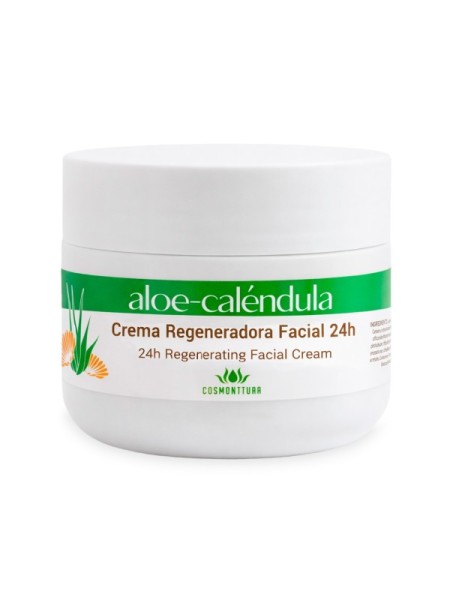
Regenerating Face Cream 24h 100 ml | for daily natural skincare, sensitive skin
A versatile option for everyday use.
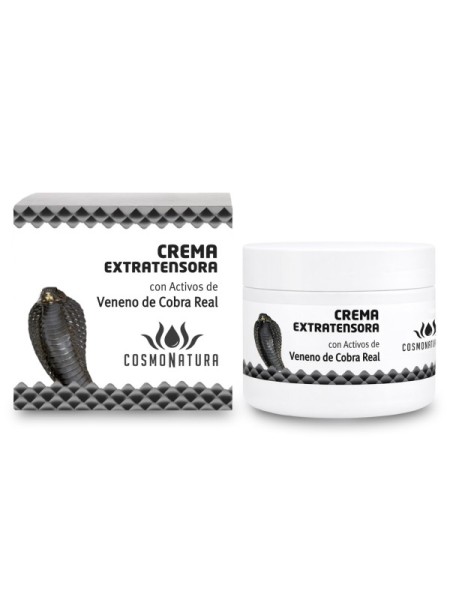
Extra-Firming Cream con activos de Cobra Venom 100 ml | for firming anti-ageing care
Designed for more specific care needs.
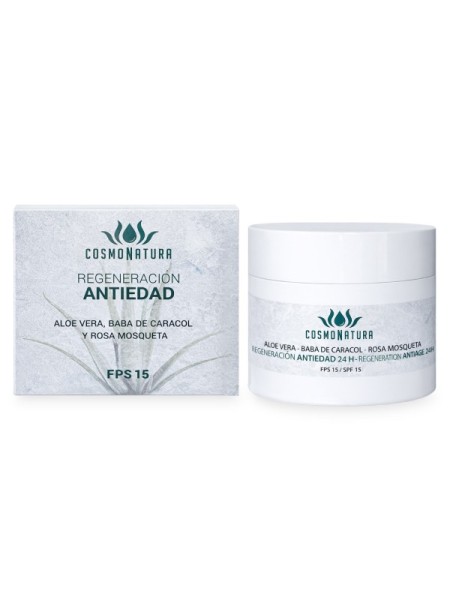
24H Anti-Ageing Cream Aloe-Facecol-Rosehip SPF 15 100 ml | for firming anti-ageing care
A complementary option for a more complete routine.
Harsh cleansers also take their toll. If your skin feels “squeaky” clean after washing your face, you’re probably stripping away more than you should. For dry skin, that sensation is a bad sign. The same goes for frequent exfoliation or heavily scented products that promise a lot but deliver little comfort.
Climate also plays a role. In winter, indoor heating dries out the air. In summer, sun exposure, saltwater, and air conditioning can leave skin dull and rough. That’s why natural hydration works best when it’s not just about one cream but part of a routine tailored to the conditions.
Natural Ingredients That Really Help Dry Skin
Not all actives work the same on every skin type, but some tend to give great results when you’re looking for comfort and nourishment.
Aloe Vera to Soothe and Hydrate
Aloe vera is one of the most helpful ingredients when skin feels tight, sensitized, or dehydrated. It provides immediate relief and helps skin look fresher and more flexible. In lightweight textures, it works great as the first hydrating step, especially if you follow with a cream to lock in that moisture.
Hyaluronic Acid to Lock in Water
Although it’s not always associated with natural skincare, it fits well into a simple, gentle routine. Its main function is to attract water and enhance the feeling of surface hydration. On dry skin, it usually delivers better results when applied to slightly damp skin and followed by a nourishing cream. Used alone, it can fall short.
Calendula and Rosehip to Nourish and Revive Skin
Calendula is a great ally when you’re after softness and comfort. Rosehip, on the other hand, provides nourishment and helps dry skin look more elastic and healthy. These two ingredients are especially useful for mature skin or during times of year when skin tends to get rougher.
Vegetable Oils, In Moderation
Oils can be very useful, but it depends on how and when they’re used. A few drops at the end of your routine or mixed with your cream can greatly boost the feeling of nourishment. The issue arises when they replace all hydration. Oil helps protect, but it doesn’t always provide the water that dry skin also needs. That’s why they usually work better as a complement rather than the only step.
Daily Routine to Hydrate Dry Skin Naturally
The best routine is one you can maintain effortlessly. For dry skin, fewer well-chosen steps often yield better results than a long, sporadic regimen.
Morning Routine
Start with a gentle cleanse. If your skin is very dry, you can even limit yourself to a very mild cleanser or just rinse with lukewarm water, as long as you don’t feel residue or discomfort. Then apply a hydrating serum with aloe vera or hyaluronic acid. This step helps refresh the skin and prepares it to lock in moisture better.
Next, use a nourishing cream with soothing and reparative ingredients. If you notice particularly dry areas, you can reinforce them with a richer texture. During the day, sunscreen is also key because sun exposure dries out skin and disrupts comfort, even when it’s not hot.
Evening Routine
In the evening, it’s wise to focus a bit more on nourishment. Gently cleanse your face to remove the day’s residue without stripping the natural barrier. Repeat the hydrating serum if it works well for you, and then apply a more enveloping cream.
If your skin is dull, mature, or very stressed, you can add a few drops of an oil like rosehip, especially to areas that feel tightest. You don’t need to use it every night if your cream already meets your needs. It’s all about how your skin feels, not how much product you apply.
How to Tell If Your Hydration Is Falling Short
There are clear signs. If you feel tightness again an hour after applying your cream, you probably need a richer formula or a better balance of humectants and lipids. If your skin looks dull, rough, and loses comfort easily, the issue is often a compromised skin barrier.
The opposite can also happen: using very heavy products that offer momentary relief but don’t improve texture over time. In that case, consider if you need to add a hydrating serum underneath or if your cleanser is overly drying. Dry skin doesn’t always need more product—it sometimes needs a better balance.
Common Mistakes When Trying to Hydrate Dry Skin Naturally
One of the most frequent mistakes is switching products every few days. Skin needs time to respond, and a routine that seems “so-so” today can work very well after one or two weeks of consistent use.
Another mistake is relying solely on home remedies. Ingredients like lemon, baking soda, or improvised mixtures are not a good idea for dry skin. They can further disrupt skin comfort. In this context, natural means respectful, soothing, and functional.
It’s also important to be cautious with exfoliation. Over-exfoliating doesn’t hydrate or renew better. For dry skin, it usually worsens the feeling of fragility. If you choose to exfoliate, do so sparingly and with gentle formulas.
Which Type of Product Usually Works Best
If you’re looking for real results, it’s worth paying less attention to generic claims and more to the combination of benefits. A good routine for dry skin usually includes a hydrating serum and a cream that provides nutrition and comfort. If it also contains aloe vera, calendula, rosehip, or hyaluronic acid, it’s easier to address multiple needs at once.
In a specialized shop like Aloeveraymas, this approach makes a lot of sense because it doesn’t separate beauty from wellbeing. Dry skin not only wants to look better; it wants to feel comfortable for hours. And that difference is far more noticeable than any flashy promise.
How to Hydrate Dry Skin Naturally Based on the Season
In winter, richer textures usually work better, especially at night. In summer, many people prefer lightweight serums and lighter creams, but that doesn’t mean skin needs less care. If you’re exposed to sun, air conditioning, or pool water, hydration remains just as important.
During seasonal transitions, it’s wise to observe your skin and make adjustments. If flaking, tightness, or lack of elasticity appear, it’s probably time to reinforce your routine. Listening to what your skin needs is often more useful than sticking to a fixed routine year-round.
Dry skin improves when you care for it regularly, without excess and without complications. A gentle, well-chosen formula used daily can do more for your comfort than ten improvised tricks. If your skin has been asking for relief, starting with a well-planned natural hydration routine could be just what it needs.


