
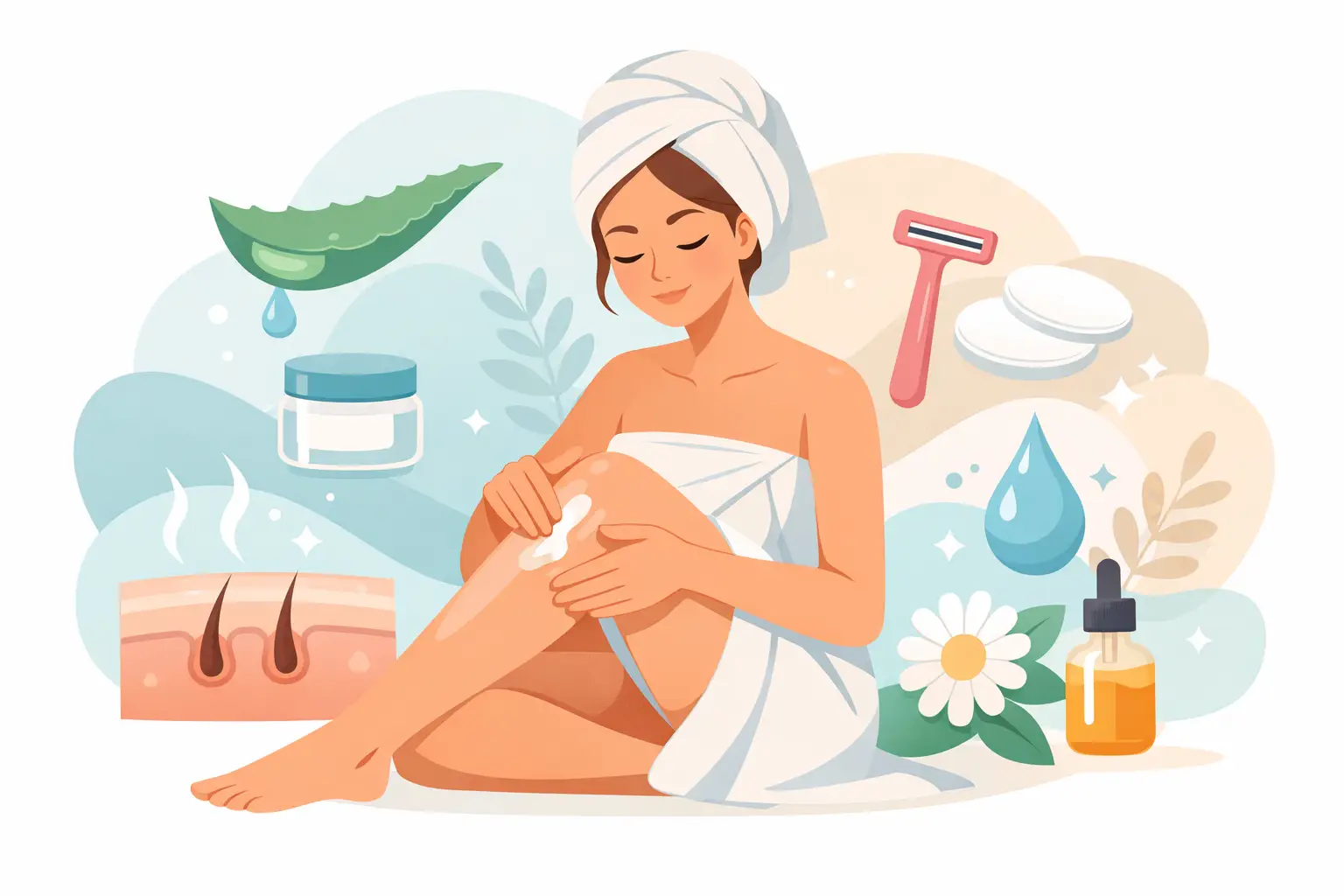
Freshly shaved skin doesn’t need heroic measures. It needs to slow down, replenish moisture, and receive soothing actives that won’t overwhelm it. If you’re looking for how to calm skin after hair removal, the good news is that in most cases relief comes quickly when you choose gentle textures and a simple routine.
The most common mistake is to apply whatever cream is at hand, even formulas with strong fragrance, alcohol, or too many actives at once. Right after hair removal, the skin is more exposed and reactive. That’s why it’s better to think less about “treating a lot” and more about “disturbing as little as possible.”
How to Soothe Skin After Hair Removal from the First Moment
The first few minutes make a big difference. If you feel heat, redness, or itching, start by cooling the area with cool water, without rubbing. There’s no need to apply ice directly, as it can be too harsh for already sensitized skin. A gentle cleanse with a comfortable temperature is enough to help reduce the burning sensation.
Then pat dry, never rubbing with a towel. This simple action prevents extra friction, one of the main factors that worsens discomfort after shaving, waxing, or depilatory cream.
The next step is to apply a soothing product with ingredients known for their comforting and moisturizing effects. Here the aloe vera works particularly well—it cools, helps relieve stinging, and leaves a light layer that doesn’t overwhelm the skin. If the formula also includes calendula, it’s even better for tightness or visible redness.
Products selected for this guide
Choose the option that best fits your skin and your routine.
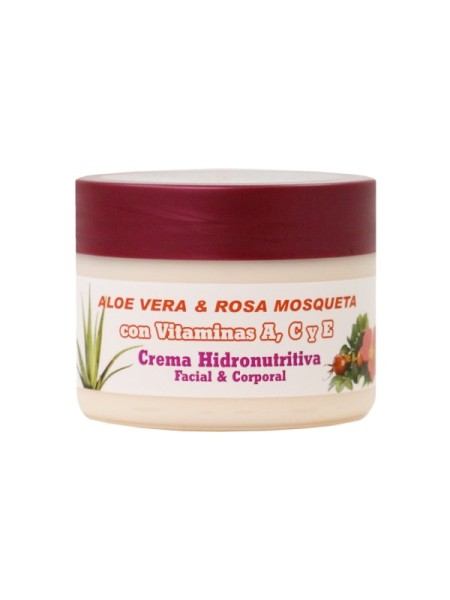
Hydro-Nourishing Face and Body Cream 250 ml | for dry skin and daily body hydration
A versatile option for everyday use.
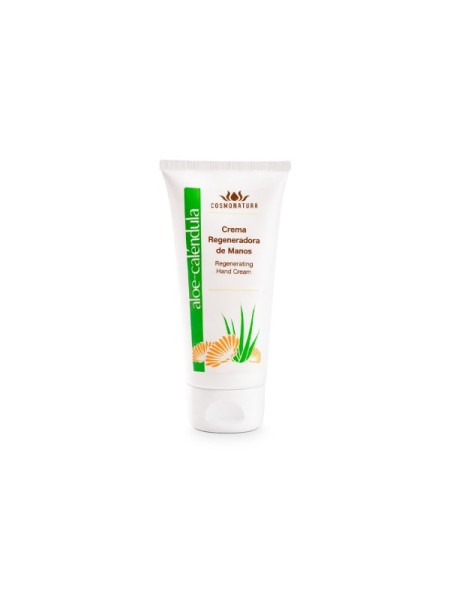
Regenerating Hand Cream 100 ml | for daily natural skincare, sensitive skin
Designed for more specific care needs.
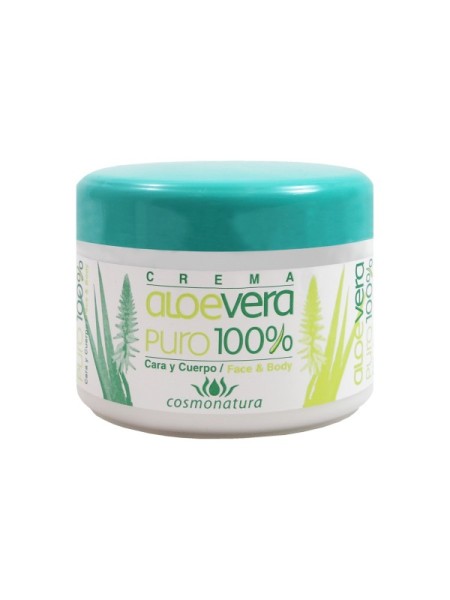
Face and Body Cream con 100% Aloe Vera 250 ml | for dry skin and daily body hydration
A complementary option for a more complete routine.
Which Ingredients Truly Help Soothe the Area
Not all skin types react the same, but there are actives that tend to work especially well after hair removal. Aloe vera is one of the most appreciated for its immediate soothing effect and light texture. It’s suitable for legs, bikini line, underarms, and even areas prone to redness, as long as the product is formulated for that use and is gentle.
The calendula is also a great ally when the priority is to comfort the skin and support its recovery. It’s often favored by dry or sensitive skin because it provides care without heavy formulas. If hair removal leaves the skin feeling tight, a product combining aloe vera and calendula can be very effective.
Hyaluronic acid, although more commonly associated with facial care, also makes sense here if it’s in a lightweight body formula. Its role is not to “treat” hair removal, but to help maintain hydration and prevent the skin from feeling stiff afterwards.
On the other hand, there are ingredients better saved for later. Exfoliants, retinal, pure vitamin C, or heavily fragranced formulas can be too intense immediately after hair removal. This doesn’t mean they’re bad, just that it’s not the right time for them.
Your Skin’s Needs Vary by Hair Removal Method
Shaving often causes more rubbing and sometimes itching as hair grows back. In this case, a lightweight, soothing, and non-greasy texture works best to avoid adding occlusion or discomfort. A gel with aloe vera is usually a very convenient option.
Waxing, on the other hand, can leave residual heat and heightened sensitivity. Here, cooling formulas without strong fragrances are appreciated. If the area remains particularly red, less is more: a gentle cleanse, a soothing product, and loose clothing.
Depilatory creams can dry out or sensitize some people even more. If that’s your case, opt for very simple reparative formulas in the following hours. The skin doesn’t need another layer of potent actives, but rather a return to feeling balanced.
What to Avoid When Skin Is Irritated
Sometimes the issue isn’t the hair removal itself but what you do afterward. Showering with very hot water, exercising right away, wearing tight clothing, or applying strong deodorants to the area can significantly increase discomfort. When the skin is already sensitive, any extra friction is felt twice as much.
It’s also not advisable to exfoliate on the same day. Exfoliation can help prevent ingrown hairs, but not immediately after hair removal. Waiting a day or two is usually gentler on the skin, especially if it tends to redden easily.
Another ineffective move is layering on multiple products “just in case.” A well-chosen soothing formula usually delivers better results than mixing several cosmetics without a clear purpose. The skin appreciates simplicity, especially when it’s reacting.
A Simple Post-Hair-Removal Routine
If you’re looking for an easy, realistic routine, think of three steps. First, gently cleanse or rinse the area. Second, pat dry without rubbing. Third, apply a soothing gel or cream with aloe vera and, if your skin tends to dry out, with added calendula or other hydrating ingredients.
If the area remains warm, you can reapply later, always with a thin layer. There’s no need to leave the skin sticky to feel cared for. In fact, lighter textures are usually more comfortable after hair removal, especially in summer or in areas prone to friction.
At night, if you notice tightness, a second application can help you wake up with much calmer skin. This step is particularly useful on legs and underarms, where discomfort can linger for hours.
How to Soothe Skin After Hair Removal if It’s Sensitive or Dry
Sensitive skin often notices even the slightest change: temperature, friction, fragrance, or alcohol. In these cases, it’s worth reviewing not only your post-hair-removal product but also the shower gel and body lotion you use that day. The fewer unnecessary irritants the skin encounters, the better.
If you also have dry skin, the goal isn’t just to soothe but to prevent the surface from feeling rough or tight. A soothing product with aloe vera and nutritive support can be more helpful than a very watery gel if you find lasting comfort is short-lived. It depends on how your skin reacts: some prefer immediate coolness, others appreciate a bit more richness.
In small areas like the upper lip or chin, it’s wise to be even more cautious. Use a small amount, avoid intense actives that same day, and observe how the skin responds before adding anything else to your routine.
When It’s Time to Change Products
If each hair removal ends with the same discomfort, you might not need to “tolerate it better” but change what you apply afterward. A good post-hair-removal product should provide quick relief, reduce heat sensation, and leave skin flexible, not shiny or heavy.
It’s also worth checking the formula if you experience prolonged itching, excessive fragrance, or stinging upon application. Newly hair-removed skin has lower tolerance. That’s why treatments focused on hydration, coolness, and soothing—using gentle ingredients—tend to work best.
In a natural care store like Aloeveraymas, this type of product makes sense when it combines aesthetic and functional benefits: skin that looks better, yes, but above all feels genuinely relieved.
What to Look for in a Good Post-Hair-Removal Care
More than flashy promises, focus on concrete benefits. It should soothe, hydrate, have a pleasant texture, and suit your skin type. If the formula includes aloe vera as a base and is supported by ingredients like calendula or hyaluronic acid, it usually meets the skin’s needs at that moment.
Consistency also matters. Often you don’t need a different product for every situation but a single soothing care that you can use whenever skin gets irritated by hair removal, sun, friction, or temporary dryness. This versatility makes it a truly useful staple.
When your skin protests after hair removal, the most effective solution isn’t to complicate your routine but to choose a gentle, soothing, and well-formulated product. Sometimes the best result comes from doing less but choosing better.


