

Some skin types don’t respond well to harsh cleansers. If you notice tightness after washing your face, frequent redness, or that “bare” feeling, learning how to properly apply milk cleanser can completely transform your routine. The difference isn’t just the product, but also the technique, massage time, and what you do immediately afterward.
Milk cleanser remains one of the gentlest options for dry, sensitive, or mature skin. It cleans without stripping natural oils, helps maintain comfort, and leaves the skin primed to better absorb subsequent products, from a hyaluronic acid serum to a cream with aloe vera or rosehip. But to get the best results, it’s important to use it wisely.
How to Apply Milk Cleanser Correctly, Step by Step
The simplest way to use it correctly is to keep your routine straightforward. Milk cleanser doesn’t need intense friction or very hot water. It requires gentleness and consistency.
Start with clean hands and a dry or slightly damp face, depending on the product’s texture. In most cases, it works best on dry skin because it can dissolve light makeup, sunscreen, sebum, and daily buildup more effectively. Dispense a small amount onto your fingertips and spread it over your forehead, cheeks, nose, chin, and neck.
Massage with gentle circular motions for about 30 to 60 seconds. There’s no need to press hard. The goal is for the product to capture impurities and leave skin comfortable, not red. In delicate areas, like the eye contour, only use it if the product clearly states it’s safe for that area.
Products selected for this guide
Choose the option that best fits your skin and your routine.
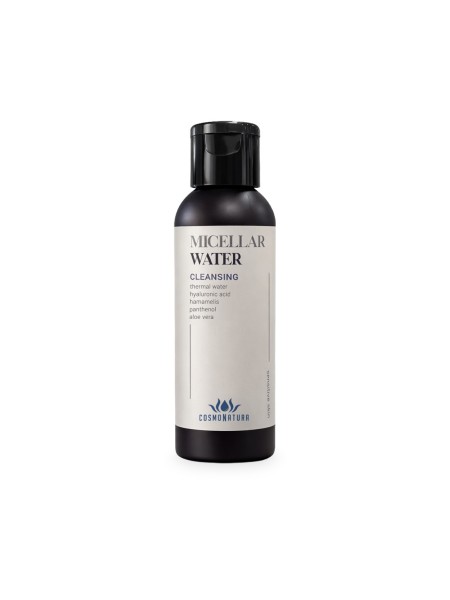
Cleansing Micellar Water 100ml | Daily face cleansing routine
A versatile option for everyday use.
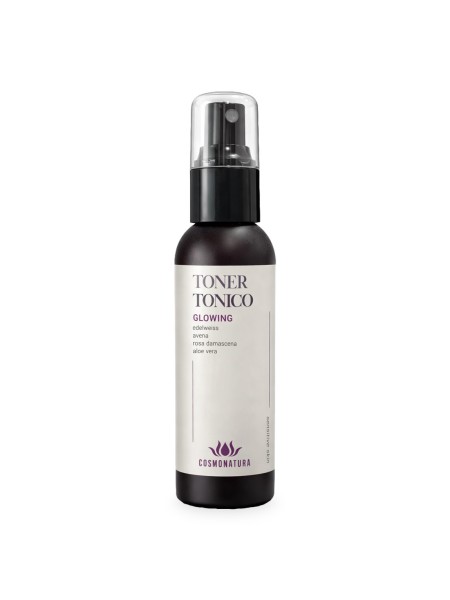
Illuminating Toner 100ml | Daily face cleansing routine
Designed for more specific care needs.
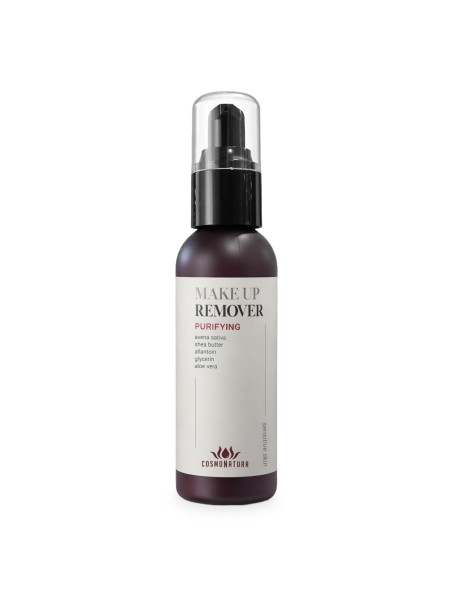
Purifying Make-Up Remover 100ml | Hydrating care for daily skincare
A complementary option for a more complete routine.
Then remove it with a soft cotton pad, a lightly damp muslin cloth, or warm water, depending on your preference and how your skin reacts. If your skin is dry or sensitive, it often works better to use a very soft facial towel or damp reusable cotton pad to avoid over-rinsing. If you’re wearing stubborn makeup or heavy sunscreen, you might benefit from repeating the cleanse.
The next step is crucial. After cleansing, apply products that help maintain hydration and balance. A soothing toner, a hydrating serum, or a nourishing cream with aloe vera, calendula, or hyaluronic acid usually pairs well after a milk cleanser.
When to Use It During the Day
Milk cleanser is especially fitting for nighttime. During the day skin accumulates sweat, pollution particles, sunscreen, and makeup, and at night it’s important to remove everything without damaging the skin barrier. If you have dry, reactive, or mature skin, you can also use it in the morning for an extra-gentle cleanse.
Here’s the usual caveat: it depends on your skin type and what you’re wearing. If you don’t use makeup and wake up with comfortable skin, a small amount might be enough. If you wear a fuller-coverage foundation or long-lasting sunscreen at night, you might need double cleansing—starting with a rich milk cleanser and finishing with a gentle wash if you still feel residue.
How to Apply Milk Cleanser Based on Your Skin Type
Not every skin type needs exactly the same approach, although the basics are similar.
Dry Skin
Milk cleanser is often an excellent choice because it cleans without leaving that taut feeling that can come with some gels. In this case, it’s best to massage calmly and avoid lengthy rinsing. Afterwards, a routine focused on hydration and comfort will benefit more than an intense cleanse. Ingredients like aloe vera, hyaluronic acid, or rosehip usually provide that extra softness dry skin loves.
Sensitive Skin
Here both the product and technique matter. Pressure should be minimal and the number of passes limited. If your skin reacts easily, avoid rough pads or hot water. A soothing milk cleanser with simple formulas and gentle botanical actives like calendula or aloe vera often feels more comfortable for daily use.
Mature Skin
For mature skin, cleansing should be effective yet gentle. A properly applied milk cleanser helps remove impurities without exacerbating dryness or fragility. Plus, it leaves skin better prepared for follow-up treatments like hydrating serums or anti-aging care with vitamin C or retinal, provided they suit your skin’s tolerance.
Combination Skin
Although many associate milk cleanser only with dry skin, it can also work for combination skin if you’re aiming for a balanced cleanse. The key is adjusting the amount and rinsing properly. If your T-zone tends to get oily, you can use it in the morning or on lighter makeup days and save a deeper cleanse for the evening.
Common Mistakes When Using Milk Cleanser
One of the most common is using too much product. More doesn’t mean better cleansing. If you apply a thick layer, it’s harder to remove and can leave a heavy feel.
Another common mistake is scrubbing too much, as if cleansing depended on friction. Milk cleanser works by binding to impurities and with a gentle massage, not aggressive dragging.
The context of your routine can also be an issue. If you cleanse well but then skip hydration or soothing steps, you lose part of the benefit. Cleansing is the first step, not the last. And if you’re wearing heavy makeup, expecting a single pass to suffice isn’t realistic. Some days it will, others it won’t.
Which Products to Pair It With for a More Complete Routine
Milk cleanser works especially well in routines focused on hydration, repair, and comfort. After removing it, a gentle toner or soothing mist can help if you enjoy light textures, though they’re not essential. What’s truly useful is following with a serum that addresses your main concern.
If you seek hydration, hyaluronic acid is a great companion. If your priority is brightening, vitamin C can fit into your morning routine. If you notice sensitivity or discomfort, aloe vera and calendula often provide a calming sensation. And at night, a nourishing cream helps seal in the respectful cleanse.
In a simple routine, the combination might look like this: milk cleanser, serum, and cream. You don’t need much more to see more balanced skin if you choose each step wisely.
Does It Need to Be Rinsed Off with Water?
It depends on the product and how your skin feels afterward. Some milk cleansers are formulated to be removed with a cotton pad or muslin cloth and don’t require heavy rinsing. Others feel better with a bit of warm water. Neither option is universally better.
If your skin tends to dry out easily, a gentle removal without much rinsing often works best. If you need a fresher feel or have more residue, rinsing slightly can give you a cleaner result. The key is that your skin feels comfortable, not tight or coated.
When It Might Not Be the Best Option
Milk cleanser isn’t always the ideal format for everyone or every moment. If you do intense workouts, sweat a lot, and prefer a lighter, water-based sensation, a gentle gel might feel more refreshing at certain times of day. If you use very long-wear, waterproof makeup, it might fall short as a single step.
That doesn’t mean it can’t work for you. It means it might work better as part of a flexible routine. Many people alternate based on season, skin condition, or makeup type. In winter it often shines, especially when skin calls for extra protection and less aggression.
How to Know if You’re Using It Correctly
The clearest sign isn’t that the skin feels like it’s “cracking” clean. It’s quite the opposite. After using it, skin should feel clean, soft, and comfortable. No stinging, no excessive tightness, no urgent need to apply cream to soothe.
If, after a few days, you notice better tolerance, less dryness, and a more enjoyable routine, you’ve likely found a cleansing method that suits you. In a specialty shop like Aloeveraymas, these types of products often make the most sense when you’re looking for a practical, natural facial routine with visible results without overcomplicating things.
Sometimes what your skin needs isn’t more steps, but fewer, done better. A well-applied milk cleanser is one of those small changes you notice quickly and that help the rest of your routine work in favor of your skin, not against it.


