

The first time you introduce retinal, your skin may call for more gentle care than intensity. That’s why, if you’re looking for how to combine retinal and aloe vera, the key isn’t to stack products but to build a nighttime routine that renews your skin’s appearance while keeping it comfortable, hydrated, and nurtured.
Retinal is a highly valued active ingredient in anti-aging facial routines for its ability to improve the look of uneven texture, fine lines, and dullness with regular use. Aloe vera, on the other hand, delivers freshness and hydration and pairs especially well with skin that needs gentle care. Together they can work very effectively, as long as you respect the order, frequency, and your skin’s needs.
Why Use Retinal and Aloe Vera in the Same Routine
Retinal works overnight, when your routine can focus on caring for and renewing the skin. While many people tolerate it well, it can initially cause a feeling of tightness or make the skin feel more sensitive. That’s where aloe vera plays a practical role: it delivers comfort and light hydration without weighing down the face.
It’s not that aloe vera magically cancels out or boosts retinal. Its value lies in balancing the user experience. A formula with aloe vera can make the routine more pleasant, especially for dry, sensitive, or mature skin that wants a renewing active ingredient but also seeks to avoid discomfort.
This combination also fits a simple routine. Instead of switching between multiple serums and creams, you can rely on a well-formulated retinal product and finish with a hydrating layer of aloe vera. Fewer steps typically make it easier to stay consistent, which is what truly allows you to see results over time.
Products selected for this guide
Choose the option that best fits your skin and your routine.
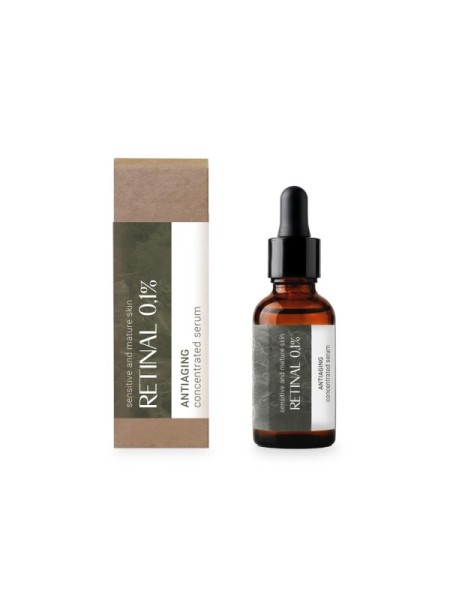
Retinal Anti-Ageing Serum 0.1% 30 ml | for firming anti-ageing care
A versatile option for everyday use.
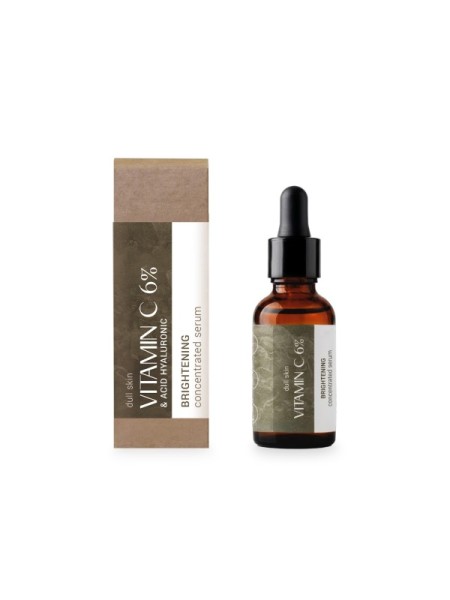
Antioxidant Serum Vit. C 6% 30 ml | for firming anti-ageing care
Designed for more specific care needs.
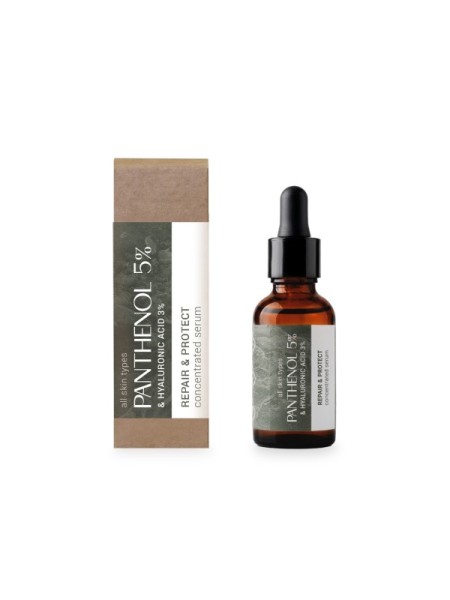
Panthenol Hydrating Serum 5% Hyaluronic Acid 3% 30 ml | for firming anti-ageing care
A complementary option for a more complete routine.
How to Combine Retinal and Aloe Vera Step by Step
The most common way to use both is to apply retinal on clean, dry skin, then seal the routine with a serum, gel, or moisturizing cream containing aloe vera. The skin must be completely dry before applying retinal, as some actives can feel more intense if the skin is still damp.
Start with Low Frequency
If you’ve never used retinal before, start with two nights a week, leaving several days between applications. Notice how your skin feels overnight and the next morning. If you experience comfort and no lingering tightness, you can move to three nights a week after a few weeks.
There’s no one-size-fits-all frequency. Mature skin accustomed to active ingredients may tolerate retinal more regularly, while dry or sensitive skin may see good results by keeping a moderate frequency. Using more product or applying it more nights than your skin can handle won’t speed up results; it often makes the routine less enjoyable and harder to maintain.
Apply a Small Amount of Retinal
After cleansing your face with a gentle product, use a small amount of serum or cream containing retinal. Spread it gently without over-rubbing, avoiding the immediate eye area, and the corners of the nose and lips if those areas tend to dry out.
It’s preferable to apply a thin, even layer rather than piling on more product. Retinal should fit into a realistic routine, not become a step that leaves the skin overloaded. Wait a moment for it to settle before moving on to the aloe vera.
Follow with Aloe Vera and Cream If You Need It
Next, apply your moisturizing aloe vera product. If your skin is combination or oily and the aloe vera gel provides the hydration you need, it may be enough as the final step. If your skin is dry, mature, or tends to lose comfort overnight, follow with a nourishing facial cream that helps lock in moisture.
You can also use a formula that combines aloe vera with hyaluronic acid. This option is especially practical when your skin feels dehydrated, looks dull, or seems less supple. Aloe vera provides a fresh, calming sensation, while hyaluronic acid helps maintain surface hydration.
The Sandwich Method for Sensitive Skin
When your skin is very reactive or you’re starting from scratch, you can try the sandwich method. It involves applying a light layer of aloe vera moisturizer, waiting for it to absorb, then applying retinal, and finishing with another thin layer of moisturizing cream.
This approach can soften the sensation of retinal, though it also delivers the active more gradually. It’s neither worse nor less valid—it’s a useful adaptation so sensitive skin can incorporate the product comfortably. If your skin is already accustomed to retinal, it’s usually enough to apply it first and follow with aloe vera afterward.
What Not to Mix on the Same Night
Retinal doesn’t need to compete with a regimen packed with actives. On nights when you use it, avoid adding strong exfoliants or treatments that leave the skin highly active. Saving those products for other nights allows your skin to maintain better balance.
Vitamin C works very well in a morning routine alongside hydration and sunscreen, while retinal is best enjoyed at night. This separation simplifies skincare and prevents you from having to choose between too many layers each day.
Nourishing oils, such as rosehip oil, can be used as the final step on very dry skin, always in small amounts. However, if you’re just starting with retinal, it’s best to introduce the basic combination of retinal, aloe vera, and cream first. Once you know your skin is comfortable, you can decide if it needs an extra boost of nutrition.
How to Choose the Aloe Vera to Pair with Retinal
Not all aloe vera products serve the same purpose. For a nighttime facial routine, look for a texture that feels pleasant and suits your skin type. A lightweight gel may be enough for combination skin, while an aloe vera cream is better suited if your skin tends to dryness or tightness.
It’s also worth choosing simple formulas, especially when you’re adding retinal. The fewer new products you try at once, the easier it is to know what works for your skin. Aloe vera can be combined with cosmetic-grade hydrating and repairing ingredients like hyaluronic acid, calendula, or rosehip, always without turning the routine into an unnecessarily complex mix.
At Aloeveraymas, a skincare routine based on active ingredients and aloe vera can help you care for your skin with a more practical approach: treatment at night, tailored hydration, and hassle-free consistency.
Signs to Adjust Your Routine
A slight feeling of dryness at first may indicate you need to reduce the frequency or boost post-treatment hydration. In that case, go back to two nights a week and use a more comforting cream over the aloe vera. If a specific area, such as around the mouth, dries out easily, protect it with moisturizer before applying retinal to the rest of your face.
If retinal feels uncomfortable after several uses, pause application and focus for a few days on a gentle cleansing and hydration routine with aloe vera. Then, you can reintroduce it with the sandwich method and less frequency. The best routine isn’t the most intense one, but the one your skin tolerates week after week.
And don’t skip the morning step: a good daily sunscreen is a logical complement to any retinal routine. Your skin will look more cared-for if you follow your nighttime treatment with hydration, protection, and gentle steps during the day.
Retinal and aloe vera don’t have to be a complicated combination. Start slowly, choose textures you enjoy, and let your skin’s comfort set the pace: a routine you look forward to repeating each night will always be more valuable than one that’s too demanding.


