

Dull skin, uneven tone or a tired-looking complexion doesn’t always require a longer routine. Often it just needs a well-chosen active ingredient used consistently. A vitamin C serum can be that booster: it adds radiance, helps skin look fresher and fits easily into a simple skincare routine, especially when paired with moisturiser and sunscreen.
There’s no need to hunt for complex formulas or layer many products at once. The key is to choose a texture and concentration that feel comfortable for your skin, introduce the serum gradually and keep the rest of your routine balanced.
What a vitamin C serum brings to your routine
Vitamin C is a highly valued antioxidant in facial care for its ability to boost radiance and brighten dull skin. With continued use, your complexion can feel more nurtured, more even and look more rested.
It’s a great choice when you notice your skin has lost its freshness due to daily stress, cold weather, heating, environmental exposure or an inconsistent routine. It doesn’t replace a moisturiser or sunscreen: it works best as part of a complementary set of steps.
Formulas containing aloe vera are especially appealing for anyone seeking extra comfort. Aloe vera delivers a hydrating, soothing sensation, making serum application more enjoyable, particularly on skin prone to tightness.
Products selected for this guide
Choose the option that best fits your skin and your routine.
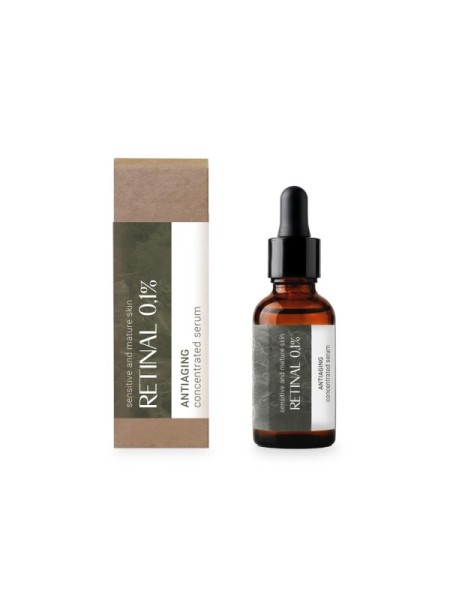
Retinal Anti-Ageing Serum 0.1% 30 ml | for firming anti-ageing care
A versatile option for everyday use.
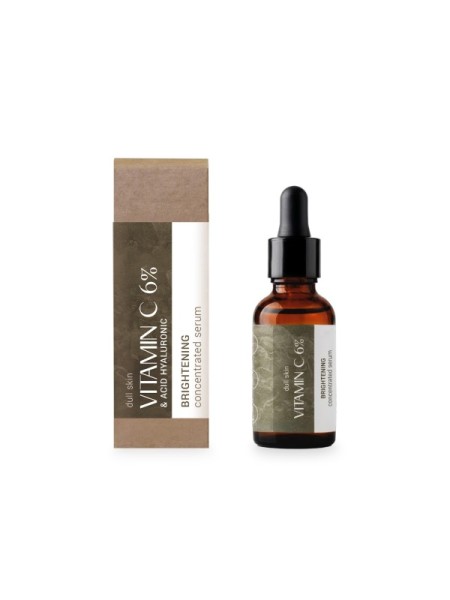
Antioxidant Serum Vit. C 6% 30 ml | for firming anti-ageing care
Designed for more specific care needs.
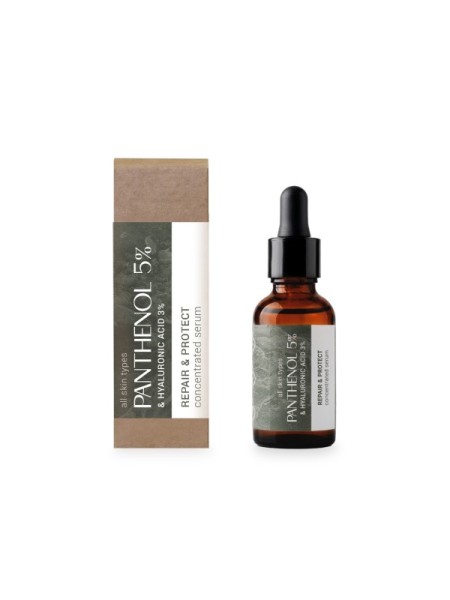
Panthenol Hydrating Serum 5% Hyaluronic Acid 3% 30 ml | for firming anti-ageing care
A complementary option for a more complete routine.
How to choose a vitamin C serum for your skin type
Not all serums share the same texture, concentration or ingredient blend. Before buying, consider how your skin behaves during the day and which goal you want to prioritise. Choosing wisely from the start prevents products from ending up forgotten on the shelf.
Dry or tight skin
Look for a vitamin C serum with a hydrating base and a texture that isn’t too lightweight. A combination of vitamin C, aloe vera and hyaluronic acid can be a comfortable option, as it merges the brightening effect of the active with ingredients that help maintain a supple feel.
After the serum, apply a moisturiser to lock in hydration. If you use only the serum and still feel a lack of comfort, it doesn’t mean the product isn’t working—it likely needs the support of a suitable cream.
Sensitive or reactive skin
In this case, simplicity is an advantage. Prioritise formulas with few additional actives, minimal fragrance, and start by applying every other day. A vitamin C derivative can feel gentler than more intense versions, although individual responses vary.
Test on a small area before applying to your entire face. If you experience persistent discomfort, redness or stinging, pause use. Consistency isn’t about forcing your skin, but finding a frequency you can maintain comfortably.
Combination or oily-prone skin
A lightweight, fast-absorbing texture is usually the most practical. Look for a light finish that lets you apply moisturiser and sunscreen afterward without heaviness. For this skin type, serum is an effective way to add an active ingredient without overloading your routine.
There’s no need to skip your moisturiser because of shine. The most useful approach is to choose a light texture and adjust the amount, especially in areas that feel more balanced.
Mature skin
Vitamin C fits perfectly into a routine focused on radiance, hydration and a more even complexion. You can combine it with hyaluronic acid in the morning and reserve actives like retinal for the evening, provided your skin tolerates them and you introduce each gradually.
Separating actives by time of day simplifies the routine and lets you see how your skin responds more clearly. Morning: vitamin C, cream and sunscreen. Evening: cleanse, hydrate and, if appropriate, your chosen renewal treatment.
When to apply vitamin C serum
Morning is the most common time to use it. After cleansing your face, apply a few drops to dry or slightly damp skin, depending on the formula, and gently spread over your face, neck and décolletage. Wait a few seconds before continuing with moisturiser.
The final step in your daytime routine should always be sunscreen. This is especially important if you want to maintain an even, radiant complexion. A good serum doesn’t make up for sun damage without protection, while combining both creates a far more coherent routine.
You can also use it at night if that suits you better, but it’s not necessary to apply twice daily for an effective routine. If you’re just starting out, once a day or every other day is more than enough to assess comfort and results.
A short routine you can actually stick to
A useful skincare routine doesn’t need half a shelf. For many, a gentle cleanse, a vitamin C serum, a moisturiser suited to your skin type and morning sunscreen are enough. This order ensures each product has a clear purpose.
At night, thoroughly remove sunscreen and impurities built up during the day. Then use a moisturiser or a repairing serum with ingredients like aloe vera, rosehip oil or hyaluronic acid. If you introduce retinal, don’t start it at the same time as vitamin C if your skin is sensitive: adding one product at a time lets you fine-tune usage.
At Aloeveraymas, our idea of an effective routine starts here: combining recognizable actives with formulas that provide hydration and comfort, without making skincare a hard-to-follow process.
Mistakes that can make using your serum uncomfortable
The most common mistake is using too much product. A serum is concentrated and usually only requires a few drops. Applying more won’t speed up results and can leave a sticky residue that makes the rest of your routine less pleasant.
It’s also wise to avoid introducing several potent actives in the same week. If you start vitamin C, retinal, exfoliants and a new cream all at once, it will be hard to tell which product suits you or which is causing irritation. Skin appreciates gradual changes.
Another key point is storage. Keep your serum tightly sealed, away from heat and direct light. Some vitamin C formulas can change color over time. If the product darkens noticeably, develops an off smell or has exceeded the recommended period after opening, it’s best to check it before continuing use.
What results to expect and how long to give it
A vitamin C serum isn’t meant to transform your skin overnight. Typically, you’ll first notice an improved feeling of care and, after several weeks of regular use, see a more radiant and even-looking complexion.
Results depend on the formula, frequency of use, your skin type and your overall habits. Lack of sleep, skipping hydration or omitting sunscreen can leave your face looking dull even if the serum is suitable. That’s why it’s important to consider the complete routine, not just one product.
If you want to start without overthinking it, choose a serum that feels pleasant every morning, pair it with a comfort-boosting cream and don’t forget sunscreen. The best choice isn’t the most intense or eye-catching: it’s the one your skin accepts well and you can use day after day with confidence.


