

The area around the eyes often reveals a short night, dehydration, or an overly intense routine. Knowing how to apply eye contour cream makes the difference: you don’t need a lot of product or to rub in hard to achieve a more hydrated, rested, and comfortable look.
The skin in this area is especially thin and needs gentle gestures. With a product adapted to your specific need – hydration, a cooling sensation, fine line care, or nourishment – and consistent application, the eye contour cream easily fits into any facial routine.
When to apply eye contour cream
Eye contour cream is applied to clean skin, typically after serum and before moisturizer. This order lets the serum work on the face and ensures that the product for your eyes settles properly without losing its effect.
In the morning, a hydrating formula with aloe vera, hyaluronic acid, or cooling ingredients helps comfort the area and prepare the skin for sunscreen and makeup. At night, you can opt for a slightly richer texture if you notice tightness, dryness, or a dull-looking eye area.
However, the best routine is the one you can maintain. If you’re just starting, applying it once a day at night may be enough. Once your skin feels comfortable, include the morning application as well.
Products selected for this guide
Choose the option that best fits your skin and your routine.
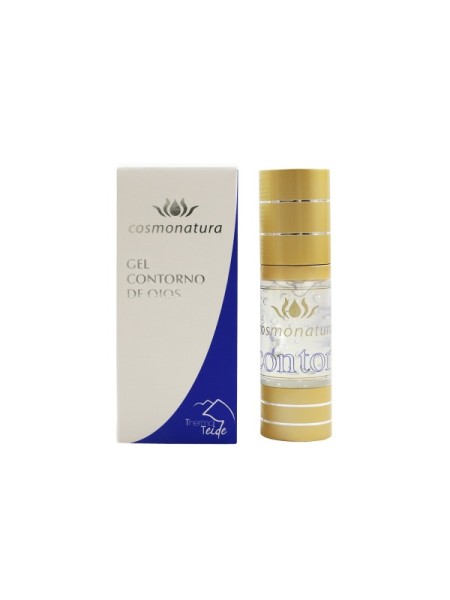
Eye and Lip Contour Gel 35 ml | for soft protected lips
A versatile option for everyday use.
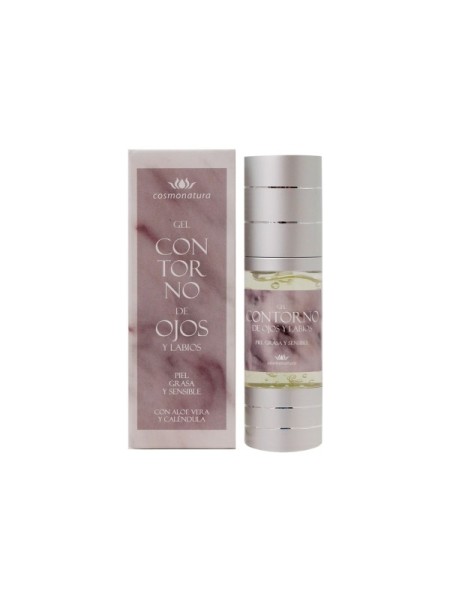
Eye and Lip Contour Gel 35 ml | for soft protected lips, sensitive skin
Designed for more specific care needs.
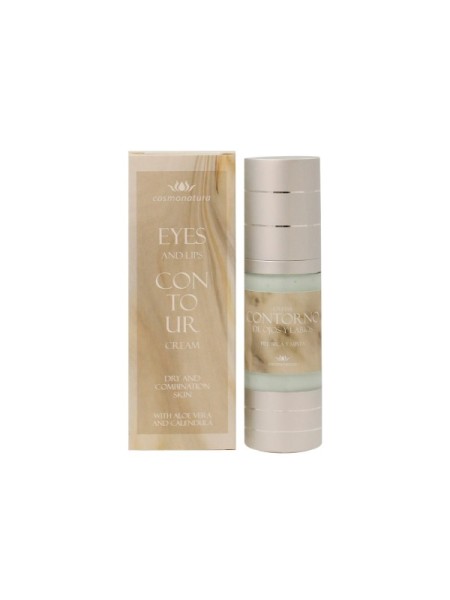
Eye and Lip Contour Cream 35 ml | for soft protected lips, sensitive skin
A complementary option for a more complete routine.
How to apply eye contour cream step by step
The technique should be brief and gentle. The goal isn’t to massage deeply or drag the skin, but to spread the product evenly and promote a pleasant sensation.
1. Use a very small amount
Just half a grain of rice–sized amount per eye is usually enough. If the contour cream has a light texture, it’s easy to overdo it; however, applying too much product doesn’t yield better results and can weigh down the area or cause makeup to shift.
Warm the product between your fingertips for a few seconds. This helps it spread more easily and avoids having to rub the skin.
2. Apply it along the orbital bone
Place small dots from the inner corner of the eye toward the temple, following the bone that surrounds the eye. There’s no need to get too close to the lash line or to apply the product inside the eye. As it settles, the product will distribute gently around the area.
You can also apply a small amount under the brow arch if that area feels dry. Avoid the mobile eyelid unless the product specifically states it’s suitable for that area.
3. Tap, don’t drag
Use your ring finger to tap gently. It’s the finger that usually exerts the least pressure, which is an advantage when treating delicate skin without rubbing it. Work from the inner corner outward on the lower eye area and finish with light presses at the temple.
There’s no need to keep going until the product disappears completely. Let it absorb for one to two minutes before continuing with your moisturizer, sunscreen, or concealer.
Common mistakes that can reduce eye comfort
Much of the irritation or overloaded look isn’t due to the contour cream itself, but to how it’s combined or applied. Correcting a few habits makes the routine more pleasant.
The first mistake is rubbing. Dragging the skin every morning and night can increase sensitivity, especially if you have dry skin. Short taps are enough.
The second is placing the product too close to the eye. An eye contour cream should be around the eye, not inside it. If your eyes water or sting, gently remove the excess and apply less product with more distance from the lashes next time.
Another common mistake is using a facial cream that’s too rich or an active ingredient not formulated for the eye area. A facial cream can work if it’s gentle and your skin tolerates it, but it doesn’t always offer the most comfortable texture or concentration for this area. If you follow a routine with vitamin C or retinal, follow the product’s instructions and reserve the eye area for a compatible, specific eye contour cream.
Finally, switching products every few days prevents you from assessing whether they actually work. Consistency, combined with an appropriate formula, yields more results than stacking multiple treatments.
Which eye contour cream to choose based on what you notice
Not all eye areas need the same thing. Choosing wisely makes application easier and ensures the product addresses a specific need.
If you notice dryness or tightness
Look for hydrating formulas with aloe vera and hyaluronic acid. Aloe vera provides a soothing, fresh sensation, while hyaluronic acid helps maintain surface hydration. A lightweight cream texture is a good option for daily use, especially if concealer tends to crease under your eyes.
For very dry or mature skin, a formula with nourishing ingredients like rosehip oil can offer extra comfort. In that case, apply a thin layer at night and see how your skin responds by morning.
If you want to care for fine lines
Fine lines often become more visible when hydration is lacking. Therefore, the first step remains keeping the area comfortable with hydrating ingredients and skin barrier protectors.
If you want to introduce a renewing active like retinal, do so cautiously. Choose a formula designed specifically for the eye contour, use it initially on alternate nights, and avoid combining it with too many intense products near the eye on the same night. If discomfort appears, reduce the frequency and prioritize hydration.
If your eyes look tired in the morning
A lightweight texture with a cooling effect can be a great ally. Store your eye contour cream in a cool place, but not necessarily in the fridge, and apply it with gentle taps from the inner corner to the temple. The cooling sensation can feel especially pleasant after a night of little sleep or when starting the day.
Getting enough sleep, drinking water, and gently removing makeup from the area also help. Eye contour cream complements these habits: it doesn’t replace rest, but helps the skin feel more hydrated and cared for.
How to fit it into a simple facial routine
A practical routine doesn’t need many steps. In the morning, cleanse your face with a gentle product, apply serum if you use one, apply eye contour cream, follow with moisturizer if needed, and always finish with facial sunscreen.
At night, remove makeup and sunscreen without rubbing. After cleansing, apply serum, eye contour cream, and moisturizer. If you use a retinal treatment, introduce it gradually and don’t forget that sunscreen is essential the next day.
If you have sensitive skin, simplify. A hydrating eye contour cream with aloe vera, a reparative facial cream, and careful application can be more useful than an extensive routine. Skin benefits from consistency and products that don’t feel heavy.
Frequently asked questions about applying eye contour cream
Can you apply eye contour cream morning and night?
Yes, as long as the formula and your skin allow it. Hydrating eye contour creams usually suit twice-daily use. If it contains stronger actives, follow the recommended frequency and start gradually.
Do you need to wait between eye contour cream and makeup?
Yes, wait one to two minutes for it to absorb. Then use a small amount of concealer and avoid dragging it during application. If makeup cakes, it may be due to too much eye contour cream, concealer, or both.
Can I use the same product as my partner or family member?
It may be possible if you both seek basic hydration and your skin tolerates it. However, it’s best to choose based on each person’s specific needs: sensitive, dry, or mature skin may appreciate different textures and ingredients.
Applying eye contour cream doesn’t have to be complicated. A brief gesture, a small amount, and the right formula turn this step into a simple way to give your eyes the hydration, relief, and care they need every day.


