

If you’ve ever noticed dull, rough-feeling skin or tiny flaky patches that won’t go away, it’s natural to wonder how often to use a facial exfoliant. The short answer is: there’s no one-size-fits-all frequency. It depends on your skin type, the kind of exfoliant, and the active ingredients you already use in your routine.
Exfoliating helps remove dead skin cells, improve texture, and make skin more receptive to serums and creams. But if you overdo it, the effect can be the opposite: tightness, redness, sensitivity, and skin that’s begging for a break. That’s why it’s best to adjust your routine thoughtfully, not out of habit.
How Often to Use a Facial Exfoliant Based on Your Skin Type
Dry or sensitive skin usually benefits from less frequent exfoliation. In many cases, once a week is enough. If you’re also using ingredients like retinal, vitamin C, or acids in other steps of your routine, it’s wise to be even more cautious and observe how your skin reacts over several days.
Combination or oily skin tends to tolerate exfoliation better, but that doesn’t mean you should use it daily. The typical range is one to two times per week. If you want to minimize the appearance of enlarged pores or improve the texture of your T-zone, a well-timed exfoliation often works better than an aggressive routine.
With mature skin, the key is not to exfoliate more, but to exfoliate smarter. Once a week—or twice, if your skin handles it well—can help your complexion look more even and radiant. Gentle formulas are particularly important here, so you don’t compromise your skin’s comfort.
Products selected for this guide
Choose the option that best fits your skin and your routine.
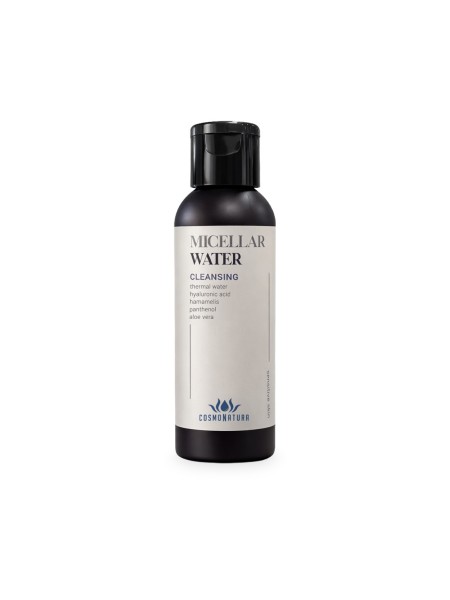
Cleansing Micellar Water 100ml | Daily face cleansing routine
A versatile option for everyday use.
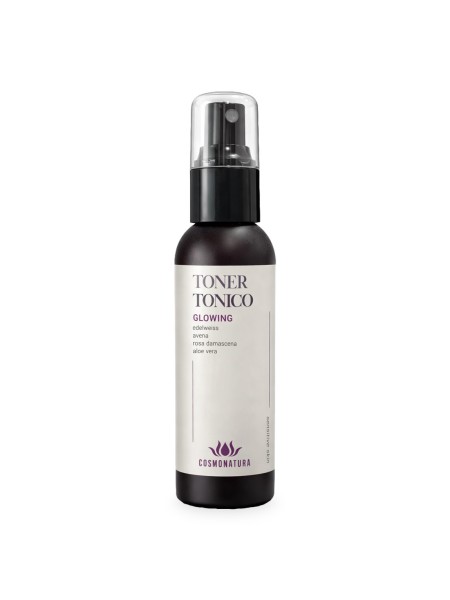
Illuminating Toner 100ml | Daily face cleansing routine
Designed for more specific care needs.
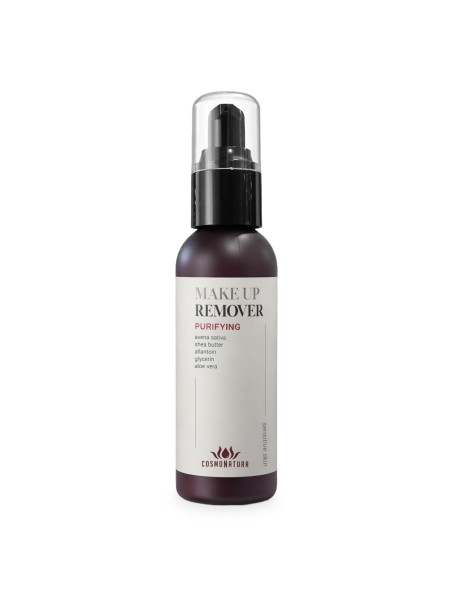
Purifying Make-Up Remover 100ml | Hydrating care for daily skincare
A complementary option for a more complete routine.
If your skin is reactive and prone to irritation, it’s preferable to start every 10 to 14 days. It might seem infrequent, but often that’s exactly what delicate skin needs to renew itself without getting irritated.
It’s Not Just About Frequency—The Type of Exfoliant Matters Too
When someone asks how often to use a facial exfoliant, they usually think in terms of times per week. But the product itself makes a huge difference.
Physical exfoliants, the ones with particles, give an immediate sensation of smoother skin. They can be effective if the formula is fine and gentle, but for sensitive or dry skin, you need to use them very softly. If the particles are coarse or you massage too vigorously, your skin may suffer.
Chemical exfoliants work without friction, helping refine texture and improve dullness. They’re often a comfortable option for those seeking even results without scrubbing. However, they also require moderation. Just because they don’t scratch doesn’t mean they can be used without control.
There’s also a very practical option for simple routines: cleansers or toners with a mild exfoliating effect. Their action is usually more gradual and, precisely for that reason, you must read the instructions carefully. Some are meant for several times a week, while others are for more occasional use.
Signs You’re Exfoliating Too Much
Your skin usually gives you warning signs before things get worse. If after exfoliating you feel stinging when you apply your regular cream, tightness you didn’t have before, uneven flaking, or new sensitivity, you’re probably moving too fast.
There’s also a misleading scenario: thinking that extra glow means you need more exfoliation, when actually your skin is dehydrated or compromised. In that case, pushing harder only worsens the feeling. The most helpful approach is to space out applications and boost the soothing and hydrating steps in your routine.
A good rule of thumb is this: after exfoliating, your skin should feel softer and cleaner, not fragile. If it feels uncomfortable, you need to reassess the frequency, the product, or both.
How to Introduce It into Your Routine Without Irritating
The safest way to start is once a week, at night, on clean skin. Then apply a serum or moisturizer that brings comfort. Ingredients like aloe vera, hyaluronic acid, calendula, or rosehip fit well at this stage because they help keep skin supple and cared for.
If you’re already using retinal, don’t combine it with an exfoliant on the same night unless your skin is well accustomed and the product instructions allow it. For most people, alternating nights works better: one night exfoliation, the next night treatment, always leaving room for hydration.
With vitamin C, the timing depends on the formula and your skin’s tolerance. Many people prefer vitamin C in the morning and exfoliation one or two nights a week. It’s an easy way to avoid overdoing it and keep a balanced routine.
The sunscreen the next day is essential. No need to complicate it: if you exfoliate, protect. Your skin is more exposed and definitely needs proper care.
How Often to Use a Facial Exfoliant if You Have Sensitive Skin
With sensitive skin, less is often more. A weekly application—or even every two weeks—can be enough to improve texture and radiance without causing discomfort. Here it’s worth choosing gentle formulas and avoiding vigorous scrubbing.
It’s also important to consider the entire routine. Sometimes the problem isn’t the exfoliant itself, but adding it on top of too many actives. If you’re already using a strong serum, a renewing eye cream, or an intensive moisturizer, your skin may need more rest than stimulation.
For this skin type, soothing and repairing products aren’t an extra—they’re part of the balance. Aloe vera, calendula, or rosehip can help make the routine more comfortable and consistent.
When to Space Out Exfoliation Even More
There are times when your skin isn’t asking for renewal but for a break. If you notice irritation, marked dryness, or a warm sensation when applying basic products, it’s sensible to skip the exfoliant for a few days. The same applies if you’ve just added new active ingredients and aren’t sure how your skin will react.
Seasonal changes can also play a role. In cold or dry conditions, some skin types tolerate frequent exfoliation less. In contrast, when humidity is higher or the skin produces more oil, a second weekly session might fit better. It’s not a hard rule, but a useful guideline.
What to Expect from a Well-Done Exfoliation
You don’t need to notice an extreme transformation the next day. What’s normal is softer skin, more even tone, and better absorption of subsequent treatments. Over time, your routine becomes more effective because moisturizing and regenerating products work more efficiently.
That said, exfoliation doesn’t replace a good daily base. If you lack hydration, nourishment, or gentle cleansing, the exfoliant won’t fix it alone. It works best as part of a balanced routine, not as a quick fix.
For many, the best results come when you pair moderate exfoliation with hydrating serums, restorative creams, and natural formulas that provide real comfort. That approach fits especially well into practical routines, where the goal isn’t more steps but better choices.
The Ideal Frequency Is the One Your Skin Tolerates
If you want a clear guideline on how often to use a facial exfoliant, here’s a simple reference: once a week works well for many skin types; twice a week can suit combination, oily, or mature skin if the product is gentle; and for sensitive skin, it’s safest to start every 10 to 14 days.
Beyond that, let your skin’s response guide you. If it looks smoother, comfortable, and radiant, you’re on the right track. If it flares up, it’s time to dial it back. In skincare, pushing too hard rarely pays off. What does pay off is a consistent, gentle routine backed by hydration, soothing care, and actives that truly add value. That balance usually delivers better results than any excess.


