
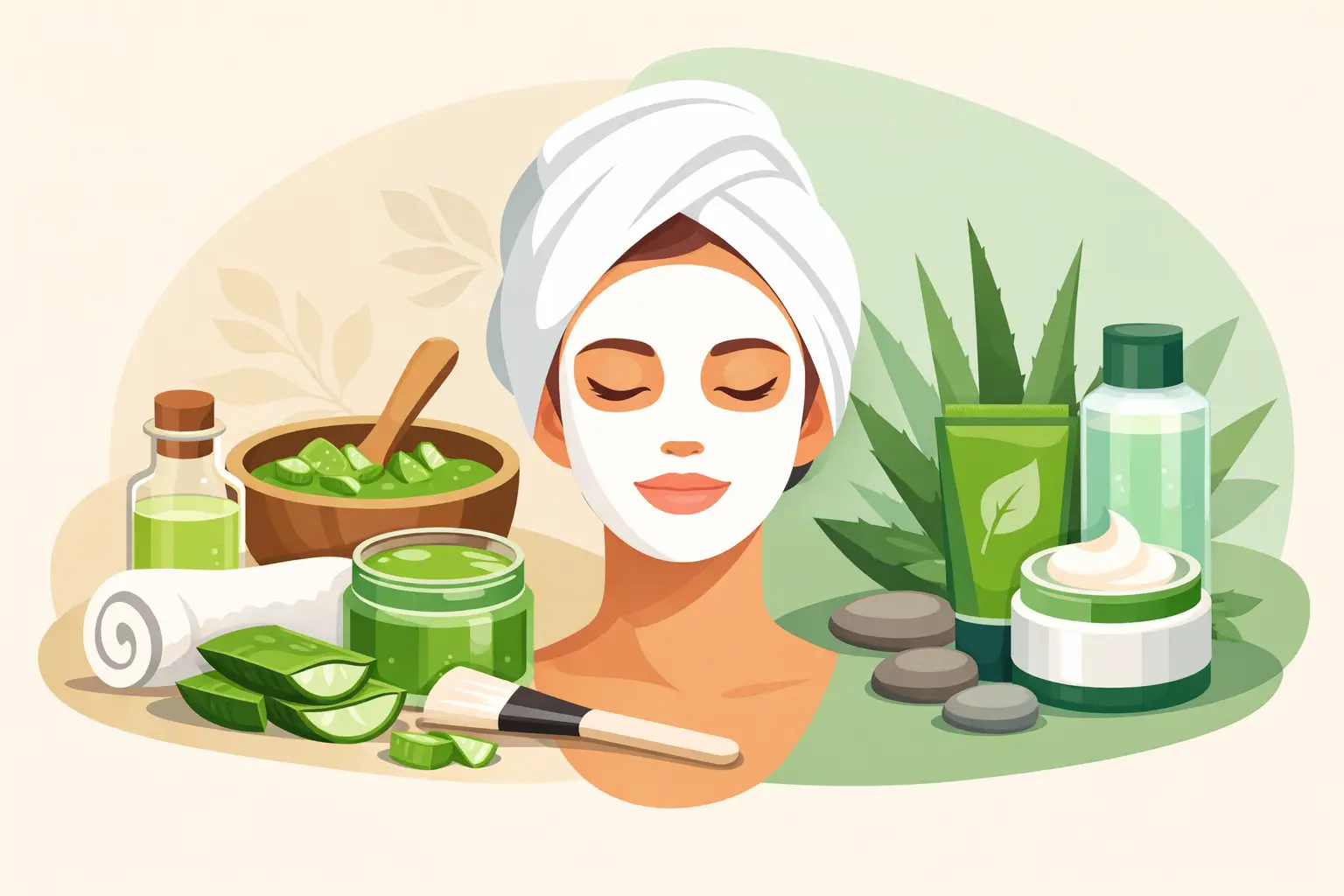
There are days when the skin cries out for instant relief. Tightness, redness, warmth or lack of radiance lead many to ask the same question: should you opt for a homemade or a store-bought aloe vera face mask? The answer varies by skin type, timing and the result you expect.
Aloe vera has a well-earned reputation in facial care. It’s associated with cooling, hydration and comfort, especially when skin is sensitive or dehydrated. But there are important differences in safety, stability, convenience and real efficacy between applying aloe directly at home and using a pre-formulated mask.
Homemade or Store-Bought Aloe Vera Face Mask: What Really Makes the Difference
The DIY option often appeals for a simple reason: it feels more natural, more affordable and more direct. If you have a plant at home or a pure gel, whipping up a quick mix seems tempting. And for skin that only seeks a one-off soothing gesture, a straightforward recipe can provide support.
The store-bought mask, on the other hand, offers benefits that aren’t always obvious at first glance. It doesn’t just contain aloe vera. It can also include other botanical or cosmetic ingredients that help preserve the formula, enhance texture, deliver longer-lasting hydration and ensure a more even application. That makes a difference when skin needs more than a momentary refresh.
It’s not about labeling one as good and the other as bad. It’s about understanding each option’s purpose and knowing when one choice makes more sense than the other.
Products selected for this guide
Choose the option that best fits your skin and your routine.
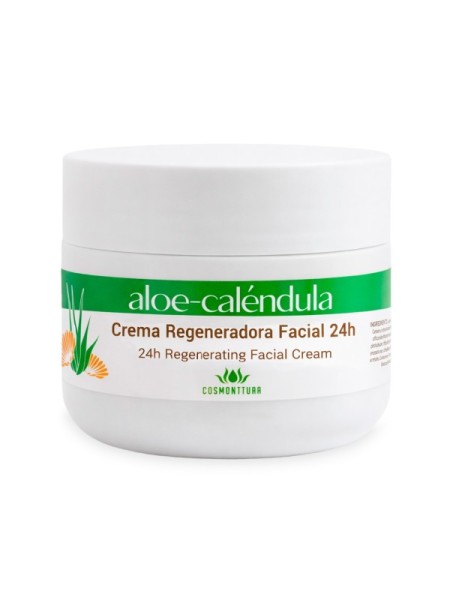
Regenerating Face Cream 24h 100 ml | for daily natural skincare, sensitive skin
A versatile option for everyday use.
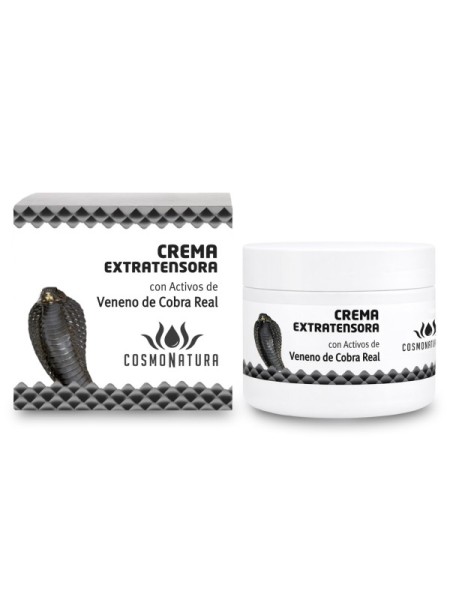
Extra-Firming Cream con activos de Cobra Venom 100 ml | for firming anti-ageing care
Designed for more specific care needs.
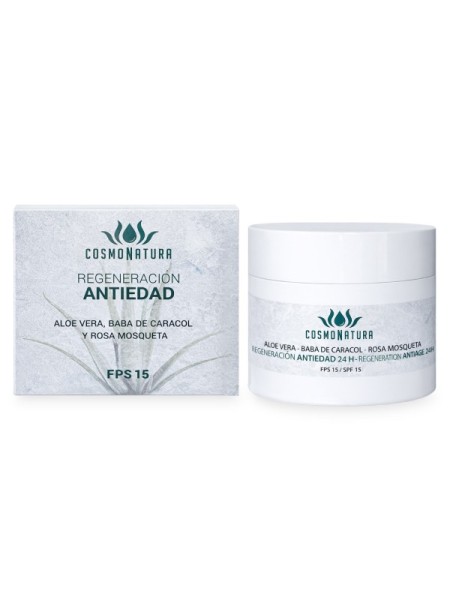
24H Anti-Ageing Cream Aloe-Facecol-Rosehip SPF 15 100 ml | for firming anti-ageing care
A complementary option for a more complete routine.
When a Homemade Mask Makes Sense
A homemade aloe vera mask can work if you want a very occasional treatment, if you tolerate the ingredient well and if you handle the preparation carefully. For example, after moderate sun exposure, when your skin feels slightly stressed by cold, or when you need a quick calming boost, a simple, brief application can bring comfort.
However, the more complex the recipe, the higher the risk of irritation. Mixing aloe with lemon, baking soda or essential oils isn’t usually a good idea for the face, especially on sensitive skin. The wisest approach is to keep the formula very simple and avoid online experiments that disregard the skin’s protective barrier.
It’s also worth remembering that “homemade” doesn’t always mean “gentle.” If your aloe comes straight from the plant and isn’t prepared properly, it may contain irritating compounds close to the rind. And if the blend isn’t stored correctly, it spoils quickly. That risk matters on your face.
The Best of the DIY Option
Its main advantage is immediacy. You can use a small amount of aloe at a specific moment without relying on a complex routine. Plus, if your skin tolerates it well and you don’t need extra actives, it can be a simple way to refresh and soothe.
Its Most Common Limits
Hydration tends to be more superficial and shorter-lived. The texture isn’t always comfortable and the experience can be uneven. Add to that the short shelf life, possible contamination and the lack of complementary ingredients that help repair, nourish or keep skin comfortable for longer.
When a Store-Bought Mask Is Worth It
If your skin is dry, sensitive, mature or reactive, a formulated mask is often the safer choice. Here it’s not just the aloe vera that matters, but the whole blend. A well-crafted commercial mask can combine soothing, humectant and regenerating actives to deliver a more complete and predictable result.
You’ll notice this especially when you want more than quick relief. If your goal is to improve smoothness, reduce tightness, boost hydration or add comfort to your weekly routine, a carefully chosen store-bought mask usually inspires more confidence. It also scores high for hygiene, ease of use and formula stability.
For many, that balance between natural ingredients and a safe formulation is key. You don’t have to give up botanical benefits to choose a ready-made product. In fact, many aloe vera-based formulas are enriched with ingredients like calendula, rosehip oil or hydrating agents that help skin look and feel better for longer.
What to Look for Before You Choose
Not all aloe vera masks deliver the same benefits. Some are designed to soothe, others for deep hydration and others to aid regeneration. That’s why it’s wise to consider your skin’s needs first and then review the product, not the other way around.
If your skin irritates easily, look for simple formulas with few potential irritants and a soothing focus. If you notice dryness or flakiness, choose a mask where aloe is paired with emollient and humectant ingredients. And if you’re concerned about the loss of comfort that comes with mature skin, you may prefer a mask that, in addition to hydrating, provides nourishment and elasticity.
Texture also matters. A lightweight gel can be ideal for combination skin or warm climates. A creamier mask often works better for dry skin or colder seasons. The important thing is that your skin feels flexible and fresh after removal, not tight.
Homemade or Store-Bought Aloe Vera Face Mask by Skin Type
For oily or combination skin, a very basic homemade mask can be enough occasionally, as long as it doesn’t irritate or upset the skin’s balance. Even so, a store-bought mask with aloe vera and a light texture usually offers easier application and a more uniform finish.
For dry skin, the store-bought option generally outperforms homemade. Aloe alone can soothe, but often falls short when skin needs to lock in moisture and regain softness. Here, formulas that combine aloe with nourishing and regenerating ingredients work best.
For sensitive skin, caution trumps improvisation. A poorly made homemade mask can cause issues even if the intention was calming. That’s why a formula developed specifically for comfort is usually the safest bet.
For mature skin, the store-bought option also often wins. Not because DIY never helps, but because mature skin benefits from more complete treatments, better everyday cosmetics and actives that support ongoing hydration and care alongside aloe vera.
Comfort Factor Matters Too
Many facial care decisions hinge not only on the ingredient, but on consistency. If making a mask at home feels enjoyable and you do it well, it can be part of your occasional routine. But if you need something practical, clean and repeatable, a store-bought mask fits better into daily life.
Unwrap, apply, leave on and rinse off without fuss makes it easier to stick to care rituals. And when a routine is simple, it’s more sustainable over time. In skincare, that usually yields better results than one-off solutions.
So, Which Is Better?
If you want a one-off, very simple treatment and know your skin tolerates aloe well, a homemade mask can serve as occasional support. If you’re after a more stable, convenient and comprehensive regimen, a store-bought mask is usually the more advisable choice.
It’s not an either-or scenario. Some people use pure aloe at specific moments and reserve the formulated mask for their weekly ritual. That combination makes sense when guided by skin needs.
In a botanical skincare shop like Aloeveraymas, this approach is especially clear: aloe vera works best when integrated into products designed for real skin needs, from daily hydration to relief and regeneration. That’s the difference between applying an ingredient and receiving complete care.
Before deciding, focus less on whether something sounds more natural and more on how your skin responds. When a mask leaves your face feeling fresh, comfortable and balanced, the effect isn’t just noticeable that day: it helps you maintain a kinder, more consistent routine.


