

Sensitive skin rarely gives a warning. One day a cream seems fine and the next you feel tightness, redness or that uncomfortable warmth in your face. If you’re here looking for a guide to facial care for sensitive skin, what you need isn’t a lengthy routine or trendy products, but a simple way to care for your skin without overloading it.
When skin reacts easily, less is often more. But “less” doesn’t mean skimping on hydration or protection. It means choosing wisely: gentle textures, well-tolerated actives and formulas that help soothe, strengthen and keep your skin balanced every day.
What Sensitive Skin Really Needs
Sensitive skin usually benefits from three things above all: gentle cleansing, consistent hydration and calming formulas. From there, you can add other products, but always with care. The most common mistake is trying to fix discomfort with too many cosmetics at once. That complicates your routine and often worsens irritation.
It’s also worth remembering that not all sensitive skins are the same. Some are dry and flake easily. Others appear combination, but react badly to intense exfoliants or strong fragrances. That’s why an effective routine isn’t about using a lot, but observing how your skin responds and adjusting.
Step-by-Step Facial Care Guide for Sensitive Skin
1. Gentle Cleansing Without Stripping
The first step should cleanse without leaving skin feeling tight. If your face feels immediately dry after washing, that cleanser probably isn’t for you. Sensitive skin tends to do better with gentle gels or cleansing milks that respect natural moisture and avoid leaving the skin “squeaky clean.”
Products selected for this guide
Choose the option that best fits your skin and your routine.
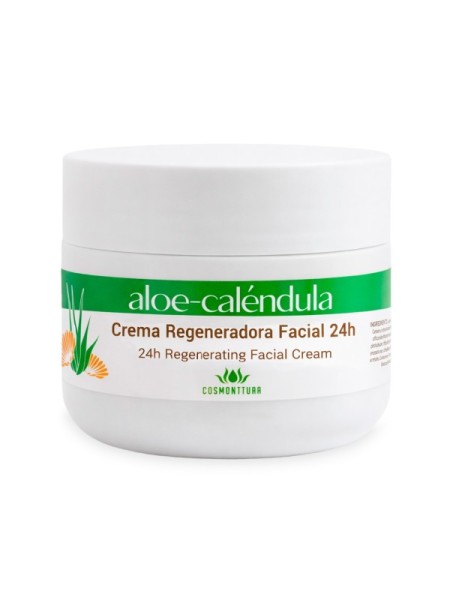
Regenerating Face Cream 24h 100 ml | for daily natural skincare, sensitive skin
A versatile option for everyday use.
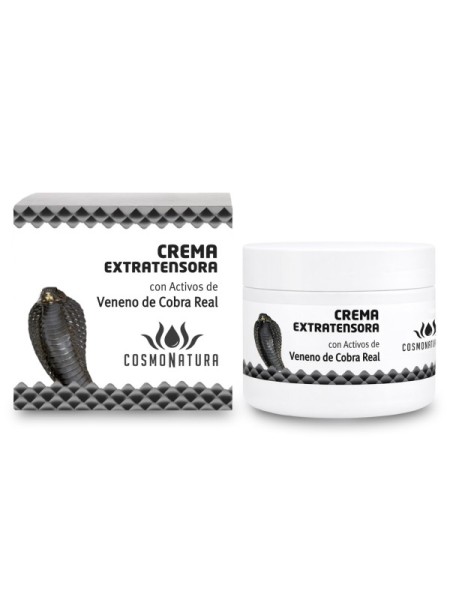
Extra-Firming Cream con activos de Cobra Venom 100 ml | for firming anti-ageing care
Designed for more specific care needs.
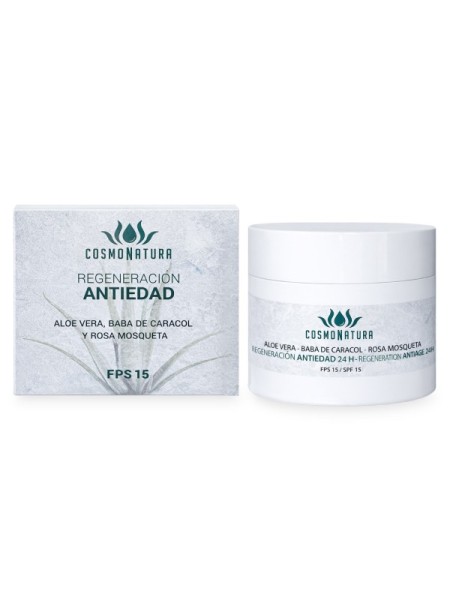
24H Anti-Ageing Cream Aloe-Facecol-Rosehip SPF 15 100 ml | for firming anti-ageing care
A complementary option for a more complete routine.
In the morning, a light cleanse is usually enough. At night, you do want to remove makeup, sunscreen and daily impurities, but without using harsh formulas. If you use micellar water, it’s best to rinse it off afterward with water or a gentle cleanser so no residue remains on the skin.
2. Hydration That Soothes and Strengthens
A good moisturizer makes a big difference when it comes to sensitive skin. It not only provides immediate comfort, but also helps skin stay more balanced and less reactive. Ingredients like aloe vera work wonderfully here because they bring cooling, relief and a pleasant feeling of care, especially when skin feels tight or red.
If you’re after extra hydration, hyaluronic acid can be a great support. It usually performs best in simple routines, paired with a cream that locks in moisture. For sensitive skin, the goal isn’t to layer endlessly by habit, but to give skin what it needs to feel comfortable for hours.
3. Daily Protection Against External Stressors
Sun exposure, wind, temperature changes or even dry environments can make sensitive skin feel worse. That’s why daytime sunscreen is part of basic care, not an extra. A comfortable texture that’s easy to reapply really helps you stay consistent.
If your skin flares up often, this step deserves as much attention as your moisturizer. Sometimes too much is spent on serums and not enough on protecting skin from what destabilizes it most day to day.
Ingredients That Typically Work Well
In a facial care guide for sensitive skin, ingredients matter, but so does how they’re formulated and at what concentration. Still, there are some actives and extracts that tend to be especially beneficial.
Aloe vera is one of the most useful when looking for hydration with a soothing effect. Its profile fits well in routines aimed at relieving warmth, tightness or discomfort. Calendula also stands out for its ability to bring comfort and softness, especially for skin that needs restorative care.
Rosehip oil can be a good choice when sensitive skin is also dry or in need of nourishment. It helps make skin more supple and comfortable. Meanwhile, hyaluronic acid offers hydration and boosts plumpness without requiring heavy textures.
With actives like vitamin C or retinal, it’s wise to proceed more cautiously. They’re not off-limits for sensitive skin, but depend heavily on individual tolerance and specific formulation. If you introduce them, it’s best to do so gradually, on alternate days and without mixing too many new products at once. When skin is already sensitised, pushing intense actives rarely ends well.
What to Avoid or Use with Caution
There’s no need to scan an endless ingredient list to make good choices. In general, sensitive skin appreciates simple formulas, minimal fragrance and no overkill of potent actives. The more loaded your routine, the harder it becomes to pinpoint which product suits you and which doesn’t.
It’s also smart to be cautious with frequent exfoliation. Many people notice uneven texture or dullness and think they need to exfoliate more. With sensitive skin, the opposite is often true. Intense or too-regular exfoliation can heighten discomfort. If you want to improve texture, it’s better to prioritise hydration and consistency rather than overdoing it.
Simple Daily Routine for Sensitive Skin
Morning
In the morning, simply cleanse gently, apply a hydrating serum if needed, use a soothing cream, and finish with sunscreen. If your skin wakes up comfortable and not too oily, you can simplify further with a very light cleanse.
This part of the routine should leave a pleasant, not heavy, feel. If you sense too many layers or that your skin is getting clogged, you can likely cut steps without losing effectiveness.
Night
At night, the priority is removing what’s built up during the day and helping skin recover. A gentle cleanser followed by a moisturizing or repairing cream is often enough. If you use a serum, choose one aimed at hydration or soothing.
On select nights, if your skin tolerates it, you can introduce an active like retinal at low frequency. But if you experience itching, warmth or persistent redness, the wisest approach is to pause and return to a basic routine. Sensitive skin responds better to consistency than to constant changes.
How to Choose Products Without the Hassle
If you’re building your routine from scratch, start with three basics: a gentle cleanser, a moisturizer, and sunscreen. Then you can add an aloe vera or hyaluronic acid serum if you need extra hydration or soothing. This foundation can greatly improve your skin’s look and comfort.
When adding a new product, introduce one at a time. That way you can see if it truly benefits you. While elaborate routines might seem appealing, sensitive skin usually fares better with practical selections. Few products, well chosen and used consistently.
For those seeking natural care with visible results, it makes sense to prioritise formulas with aloe vera, calendula or rosehip, combined with everyday moisturizers. In a specialized store like Aloeveraymas, this approach is especially useful because it pairs soothing ingredients with easy-to-follow routines.
Signs Your Routine Is Working
You don’t need to wait for dramatic changes to know you’re on the right track. Sensitive skin often “speaks” clearly when a routine suits it. You’ll notice less tightness by day’s end, less urge to reapply cream constantly, and a more stable feeling when washing your face or wearing makeup.
Your overall complexion may also improve: skin looks more rested, more even and with fewer reactive spots. That’s the real goal. Not chasing artificial perfection, but achieving comfortable, hydrated and well-cared-for skin.
If your skin is sensitive, the best routine isn’t the most elaborate nor the most intense. It’s the one you can follow every day without fear of a bad reaction. Starting with essentials, choosing soothing ingredients and giving your skin time is usually the shortest path to skin that finally feels at ease.


