

Dehydrated skin often gives you a warning before you even see it in the mirror: you feel tightness after your shower, your makeup looks uneven, or a cream that used to work now falls short. It doesn’t always mean your skin is dry. Often it just needs to retain moisture better and return to a gentler, more consistent routine tailored to what it actually needs.
What is Dehydrated Skin and Why It Can Occur
Dehydration is a temporary lack of water in the skin. It can affect dry, combination, oily, or sensitive skin—so an oily forehead and tight cheeks may both be part of the same issue. When skin can’t maintain its hydration level, it looks less fresh, expression lines become more pronounced, and you may feel uncomfortable after cleansing.
Cold, wind, heating, and air conditioning all contribute, but they’re not solely to blame. Cleansing your face with overly astringent products, using very hot water, exfoliating too often, or combining multiple active ingredients unnecessarily can also weaken the skin barrier. Even a routine full of good products can backfire if it’s excessive.
The key isn’t layering on many products, but delivering moisture and helping the skin retain it. Aloe vera, hyaluronic acid, and certain botanical extracts can be great for this goal—as long as the formula and application frequency respect each skin’s sensitivity.
Dry Skin vs. Dehydrated Skin: They’re Not the Same
Dry skin tends to produce fewer natural lipids, so it usually needs richer, more comforting textures on a regular basis. Dehydrated skin, on the other hand, can be a temporary condition: even oily skin can feel tight, flakey in spots, or dull when it lacks water.
Products selected for this guide
Choose the option that best fits your skin and your routine.
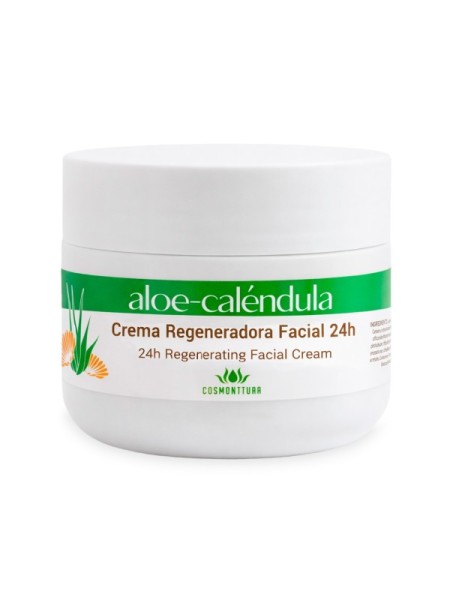
Regenerating Face Cream 24h 100 ml | for daily natural skincare, sensitive skin
A versatile option for everyday use.
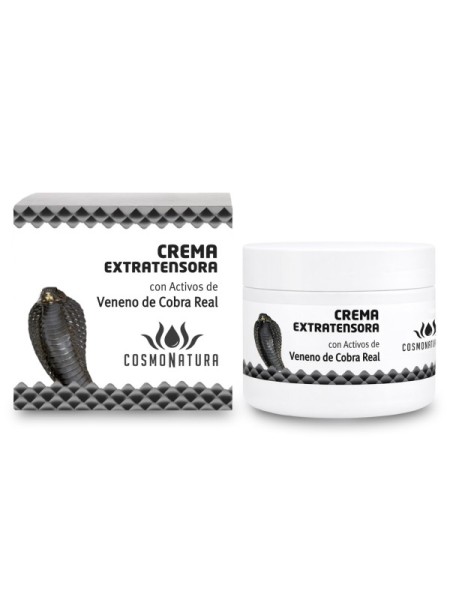
Extra-Firming Cream con activos de Cobra Venom 100 ml | for firming anti-ageing care
Designed for more specific care needs.
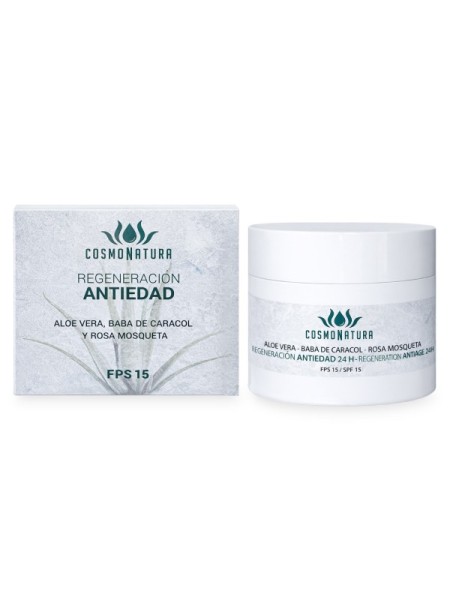
24H Anti-Ageing Cream Aloe-Facecol-Rosehip SPF 15 100 ml | for firming anti-ageing care
A complementary option for a more complete routine.
This distinction matters when choosing a cream. If you have excess sebum in the T-zone but feel discomfort on your cheeks, a very heavy formula may not feel pleasant during the day. In that case, a lightweight hydrating serum followed by a comforting cream that doesn’t leave a heavy film usually works better. If your skin is dry and mature, you can boost the same base with a richer texture and plant oils like rosehip.
You don’t need a perfect label. Observe how your skin responds over one or two weeks: if it regains comfort, looks more even, and tolerates the rest of your routine better, you’re on the right track.
A Simple Routine for Dehydrated Skin
Consistency delivers more results than switching products every few days. A concise routine lets you identify what works and reduces the risk of overloading your skin.
Morning: Hydration That Lasts All Day
Start with a gentle cleanse—or just lukewarm water if your skin feels comfortable and you don’t need to remove heavy products. The goal is to cleanse without stripping. Then apply a hyaluronic acid serum to slightly damp skin. This ingredient helps attract water, giving your skin a plumper, more supple feel.
Next, use a moisturizer with aloe vera. Aloe vera is particularly appealing when you’re after freshness and comfort, and it’s easy to include in routines for sensitive or tight-feeling skin. To finish, apply sunscreen every morning. It’s not an optional extra—it helps maintain a consistent care routine against external factors that can accentuate dullness.
Evening: Repair Without Overloading
At night, remove sunscreen and impurities with a gentle cleanser. Reapply your hydrating serum if needed and opt for a richer cream than your daytime one. Formulas with aloe vera, calendula, or rosehip are a great choice when your skin craves softness, nutrition, and a more comforting finish.
If you use retinal, reserve it for evening application and avoid starting too frequently. Retinal can be part of a routine aimed at improving mature skin’s appearance, but it doesn’t replace hydration. Alternating it with recovery nights focused on serum and moisturizer is usually a sensible choice when there’s tightness or sensitivity.
Active Ingredients to Help, Depending on What You Feel
Not all dehydrated skin days feel the same. Some days a hydrating serum is enough; other days you need to scale back the routine. Choosing based on need, not accumulation, makes all the difference.
Hyaluronic acid is a great starting point when you want lightweight hydration and a more elastic texture. It’s especially useful for combination or oily skin that doesn’t feel comfortable with very dense creams. It’s best paired with a moisturizer, as a serum alone isn’t always enough to maintain that comfortable feel.
Aloe vera works very well in gels, serums, and creams designed to soothe tight-feeling skin. It’s a practical choice for those wanting a natural, simple, and fresh routine, especially during hot weather or after exposure to dry environments.
Calendula and rosehip can provide extra care for dry or tired-looking skin. The former is beloved for its gentle, comforting nature; the latter offers a richer texture. If your skin is prone to congestion, use oils sparingly and see how it responds before applying them every night.
Vitamin C can be beneficial when, in addition to dehydration, you notice dull skin. Use it in a formula your skin tolerates well, and don’t introduce it on the same day as other new actives. An effective routine doesn’t have to be intense.
Habits That May Be Depleting Hydration
Sometimes the most useful change isn’t buying a new product, but ditching a habit that irritates or dries out skin. Very hot water may feel pleasant, but it leaves a recurring tightness day after day. Harsh cleansers, overused exfoliants, and vigorously rubbed towels also don’t help already vulnerable skin.
It’s also worth reviewing the number of actives you use. If you combine vitamin C, exfoliation, retinal, and multiple serums in one week, your skin may need a pause more than extra power. Temporarily reduce steps, prioritize gentle cleansing, hydration, and a moisturizer, and reintroduce actives one at a time when your skin feels stable.
At Aloeveraymas, a routine based on aloe vera and carefully chosen actives lets you maintain hydration without overcomplicating your skincare bag. The best choice depends on the texture you enjoy, your skin type, and how consistently you’ll use it.
When to Simplify Your Routine
If a cream stings, if tightness increases after applying several products, or if certain areas can’t tolerate your usual routine, simplify. For a few days, use a gentle cleanser, a hydrating serum if it feels comfortable, and a repair cream. Don’t try to fix discomfort by adding five products at once.
Sensitive skin especially appreciates this approach. Introduce only one new product at a time and wait several days to assess tolerance. This way you’ll know which texture, active ingredient, and frequency give you the best results without turning skincare into a constant trial.
Restoring healthy-looking skin doesn’t require a complicated routine. Start by replenishing moisture, pair it with a cream that maintains comfort, and adjust actives to your skin’s needs. Once your skin no longer feels tight, it’s much easier to recognize what it truly requires.


