

When your skin feels tight after cleansing, makeup highlights dry areas or small rough patches appear, you usually don’t need an endless routine. This facial routine guide for dry skin focuses on what really makes a difference: cleansing without stripping comfort, supplying water and lipids, and keeping your skin protected every day.
Dry skin doesn’t always need more products, but better textures and consistent application. A simple routine, maintained for several weeks, typically delivers more softness and suppleness than switching cosmetics every few days.
What to Look for in a Dry Skin Facial Routine
Dryness arises when the skin has difficulty retaining the hydration and lipids that provide comfort. The result can be tightness, a dull appearance, visible flaking, or discomfort that intensifies with cold, heating, wind, or over-cleansing.
That’s why a facial routine for dry skin must work in two ways. First, deliver humectant ingredients like hyaluronic acid or aloe vera to help retain water on the surface. Then, lock in that hydration with a nourishing cream that reduces the feeling of lost comfort.
Not all dry skin reacts the same way. If it’s also sensitive, you should reduce the number of active ingredients and prioritize soothing formulas with aloe vera, calendula, or rosehip. If you notice a lack of firmness or more pronounced lines, you can introduce anti-aging actives gradually, without sacrificing hydration.
Products selected for this guide
Choose the option that best fits your skin and your routine.
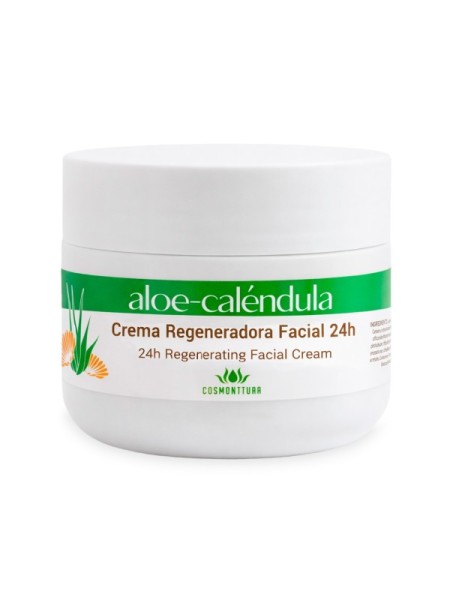
Regenerating Face Cream 24h 100 ml | for daily natural skincare, sensitive skin
A versatile option for everyday use.
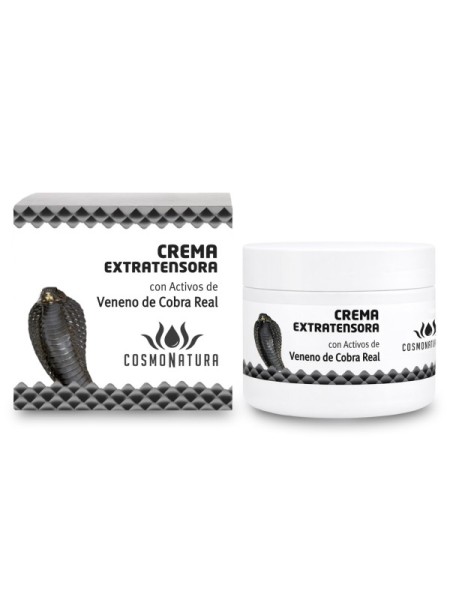
Extra-Firming Cream con activos de Cobra Venom 100 ml | for firming anti-ageing care
Designed for more specific care needs.
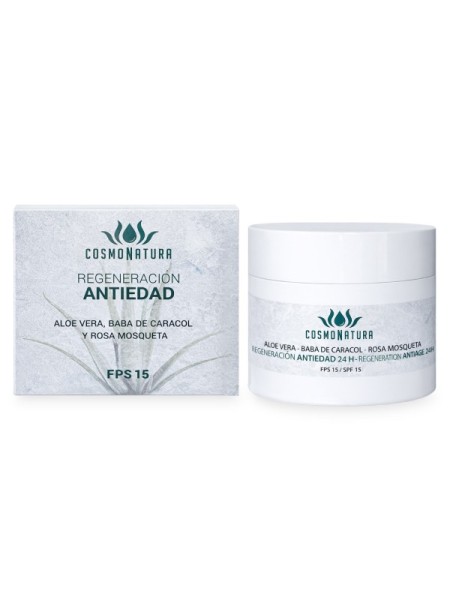
24H Anti-Ageing Cream Aloe-Facecol-Rosehip SPF 15 100 ml | for firming anti-ageing care
A complementary option for a more complete routine.
Morning Routine: Hydration That Lasts All Day
Morning is the time to prepare your skin for temperature changes, friction, and daily exposure. You don’t need to layer on too many products, but you should choose each one intentionally.
1. Clean Gently or Just Refresh
If your skin woke up feeling comfortable and you didn’t use a heavy texture overnight, you can rinse with lukewarm water or use a gentle facial cleanser. Avoid very hot water and products that leave your skin feeling “squeaky”: over-cleansing can increase tightness throughout the day.
Look for cream, lotion, or soft gel textures that remove excess sebum and product residue without stripping your skin. Pat dry with a clean towel, without rubbing.
2. Apply a Hydrating Serum on Slightly Damp Skin
A hyaluronic acid serum is especially useful when skin feels dehydrated, dull, or less elastic. Apply it while your skin is still slightly damp after cleansing. This promotes a more immediate feeling of hydration and prevents the product from running out too quickly in a very dry environment.
Aloe vera is a great ally at this step for its fresh texture and comfort-boosting properties. If your skin is sensitive, choose simple formulas and start with a small amount. One or two pumps are usually enough for face and neck.
3. Use a Cream That Provides Nutrition, Not Just Water
This is the step that makes the difference for dry skin. The serum hydrates, but the cream helps lock in that moisture and provides a feeling of protected skin. Formulas with rosehip, well-balanced vegetable oils, aloe vera, or nourishing ingredients are a good choice when you want softness without a heavy layer.
The texture depends on how your skin behaves. A lightweight cream may suffice in spring or if you prefer a comfortable base under makeup. In winter, or if tightness returns a few hours later, a richer cream is usually the better choice. It’s not about always using the densest cream, but about finding one that keeps your skin comfortable without a sticky feeling.
4. Finish with Sun Protection
Daily sun protection completes your morning routine, even on cloudy days. Choose a formula that doesn’t dry out and blends well with your cream. If you notice that certain sunscreens make your skin feel stiff, try a creamier texture or apply a slightly thicker layer of moisturizer first.
Night Routine to Repair Tightness
At night, you can spend a few extra minutes thoroughly removing the day’s buildup and using treatments that don’t have to coexist with makeup or sunscreen. The key remains the same: cleanse gently and nourish without overloading.
1. Remove Makeup and Sunscreen Without Rubbing
If you’re wearing makeup or water-resistant sunscreen, perform a gentle double cleanse. Start with an oil-based texture, balm, or cleansing milk, then follow with a gentle facial cleanser. This approach avoids overusing a single product and reduces friction, which is especially appreciated by dry skin.
If you haven’t worn makeup and your sunscreen comes off easily, one thorough cleanse may be enough. More cleansing doesn’t mean better cleansing.
2. Alternate Between Hydrating Serum and Active Treatments
Hydration nights are essential. You can repeat your hyaluronic acid serum and then apply a nourishing cream, or add a few drops of rosehip oil at the end if your skin needs an extra nutrition boost. Oil works better as a complement to the cream than as a substitute for the whole routine, especially if you also need to deliver water.
For dry, mature skin, retinal can be a good active ingredient within a well-planned anti-aging routine. However, it should be introduced gradually, on alternate nights, and accompanied by a moisturizer. If irritation, burning sensations, or persistent flaking appear, space out its use and return for a few days to a basic routine of cleansing, soothing serum, and cream.
It’s not advisable to start using vitamin C, retinal, and several exfoliants at the same time. Although each product has its benefits, combining them without adaptation can make dry skin even more uncomfortable. Consistency with two or three suitable products is usually more effective than a routine overloaded with novelties.
3. Seal with a More Emollient Cream
Your night cream can have a slightly richer texture than your day cream. Spread it over your neck and décolletage with a gentle massage, without pressing. If you have particularly dry areas, such as the sides of your nose, chin, or cheeks, apply a small extra amount just there.
How to Adapt Your Routine When Skin Changes
Dry skin doesn’t behave the same way year-round. In colder months it tends to need less cleansing, more cream, and richer formulas. In summer, you might prefer a refreshing hydrating serum and a medium-texture cream, without skipping sun protection.
Habits also play a role. Very hot showers, air conditioning, harsh cleansers, and frequent exfoliation can undermine a well-chosen routine. If your skin feels reactive, pause new products and return to the basics: gentle cleansing, aloe vera or hyaluronic acid, and a repairing cream with calming ingredients like calendula.
The eye contour area deserves attention if that zone feels tight or concealer creases. Use a small amount of a hydrating eye cream and pat it on with your ring finger. You don’t need to get it too close to the lash line to achieve a feeling of care.
Mistakes That Prevent Dry Skin from Improving
The most common mistake is confusing dry skin with dirty skin and over-cleansing. Another is relying solely on oils: they provide nutrition and softness, but they don’t replace a hydrating serum or a cream that helps retain water in the skin.
It’s also wise to avoid changing your routine every week. Give products time, unless you notice a clear sign of discomfort. A facial routine based on aloe vera, hyaluronic acid, calendula, or rosehip can be very pleasant, but it requires consistency to help you notice your skin feeling more comfortable upon waking and throughout the day.
At Aloeveraymas, the choice can be simple: start with a gentle cleanser, a hydrating serum, and a cream suited to your level of dryness. Once that base works for you, add vitamin C in the morning or retinal at night if you’re aiming for gradual anti-aging care.
Your skin doesn’t have to feel tight to be clean. Listening to that signal and responding with soft textures, constant hydration, and nourishment is a practical way to regain comfort without complicating your daily routine in front of the mirror.


