

That twinge in your back after sitting for hours, the strain in your legs after walking too much, or the tension in your neck at the end of the day often leads to the same question: cold gel or warming muscle gel. And no, they’re not chosen the same way in every case. The sensation may feel similar at first – quick relief – but the effect you’re looking for changes a lot depending on the timing and the discomfort.
When you choose wisely, the product complements the massage, enhances comfort, and makes it easier to stick to your routine. When you choose poorly, you might not notice the result you expected or the area may not respond as you’d like. That’s why it helps to keep one simple idea in mind: cold usually fits better when you want instant coolness, and heat when you need to relax a tense area.
Cold Gel or Warming Muscle Gel: The Real Difference
The difference isn’t just in the temperature you feel on your skin. A cold-effect gel provides a refreshing sensation that many people look for after exercise, after an intense day, or when they feel heavy legs and fatigued muscles. It usually leaves a feeling of lightness that’s highly appreciated, especially in hot weather or after physical activity.
In contrast, a warming-effect gel is more associated with comfort, relaxation, and massage on tense areas. It’s commonly used on the back, shoulders, neck, or lower back when you feel stiffness or overload. Its great advantage is that it perfectly accompanies those moments when your body requests a pause.
It’s not about deciding which is better overall. It’s about understanding what your body needs at that specific moment. Some people even alternate between both types depending on the time of day, the activity type, or the area treated.
Products selected for this guide
Choose the option that best fits your skin and your routine.
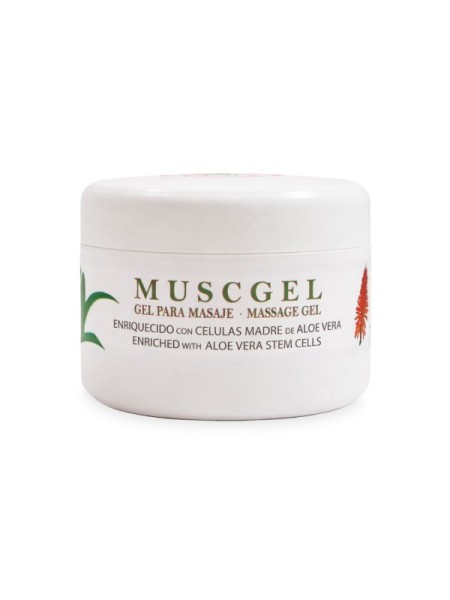
Aloe Vera Muscle Gel 200 ml | Cooling Sports Massage Gel for Tired Muscles
A versatile option for everyday use.
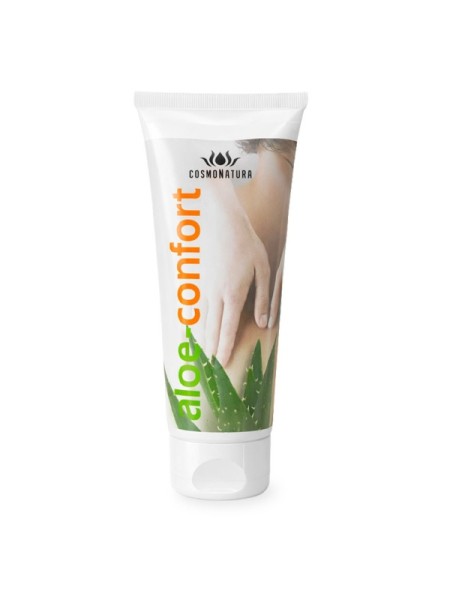
ALOE CONFORT Muscle Cream Gel 250 ml | Arnica, Menthol and Harpagophytum Massage Gel
Designed for more specific care needs.
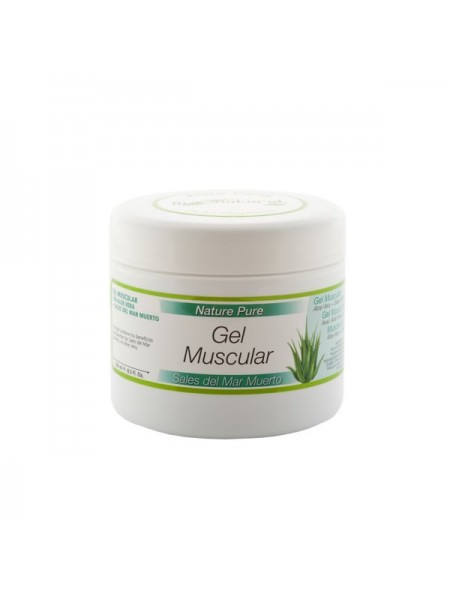
Muscle Massage Gel 500 ml with Aloe Vera, Dead Sea Salts, Arnica and Menthol
A complementary option for a more complete routine.
When to Use a Cold Muscle Gel
The cooling effect is often the most practical option when you’re looking for a fast cooling and resting sensation. It’s ideal after sports, a long walk, returning from a day spent on your feet, or when legs and muscles feel tired. It’s also convenient for recovery massages because it leaves a light and clear feeling on the skin.
In body care products, this effect is typically combined with ingredients like menthol, aloe vera, arnica, or botanical extracts. Menthol enhances that refreshing sensation. Aloe vera also provides a pleasant base for the skin and adds a soothing care factor that’s highly valued, especially if you’re looking for a functional yet gentle product for daily use.
There’s an important nuance: cold isn’t always the most appealing when the area is stiff and what you want is to relax it. In those cases, many people feel more comfort with a warming effect. That’s why it’s better to focus less on habit and more on the sensation you need.
After Exercise and for Tired Legs
If you exercise regularly or simply end the day with heavy legs, cold gel usually fits very well. It absorbs quickly, doesn’t require a long wait, and leaves a clean sensation—especially useful if you’re in a hurry or want to apply it multiple times a day.
It’s also a convenient option in summer or hot environments when a warming product can feel too intense. In that context, the coolness not only feels pleasant but also makes it easier to maintain a consistent body care routine.
When to Choose a Warming Muscle Gel
The warming effect is often preferred when there’s a sensation of stiffness, overload, or accumulated tension. It’s the typical product you want at the end of the day to massage shoulders, cervical area, back, or lower back. Heat complements the massage and gives an enveloping sensation that invites your muscles to loosen up.
Ingredients like ginger, certain plant extracts, or balsamic blends are usually present in these formulas. If they also include aloe vera, the texture can feel more pleasant and balanced on the skin—a key point if you’re seeking muscle comfort without sacrificing cosmetic care.
Here too, it depends. If you come from an intense workout and you feel general fatigue, heat might not be your first choice. But if you’ve spent hours with a loaded back or a tense neck from poor posture, it’s often the most appreciated format.
For Tense Areas and Comfort Massage
Warming gel works especially well when applied with a slow massage. No complicated technique is needed. Simply spread a small amount and work the area in circular or upward strokes until absorbed. That combination of texture, massage, and thermal sensation is what makes the difference.
Many people include it in their nightly routine, just like using a facial serum at night or a repairing hand cream. It makes sense: if you care for your skin to look better, you can also care for your body to feel better.
How to Choose Between Cold or Warming Muscle Gel by Area
There are body areas that often call for one option more than the other. Tired legs and feet usually appreciate cold more, especially if there’s heaviness after walking, training, or standing for long periods. In contrast, the neck, shoulders, back, and lower back tend to respond better to heat when the goal is to relax and relieve tension.
On arms or calves, the choice depends more on timing. After physical activity you might crave cold. If the next day the area feels tighter or loaded, heat might feel more comforting. It’s not a fixed rule. It’s a practical guide to avoid buying by intuition and ending up leaving the product in a drawer.
Key Ingredients That Make a Difference
In this type of body care, the formula matters as much as the thermal effect. Aloe vera is one of the most complete ingredients because it offers a hydrating, pleasant, and skin-friendly base. This makes many gels aim not only for immediate sensation but also for comfortable, frequent use.
Menthol is usually associated with freshness and that clean feeling so valued in tired legs and muscles. Arnica is very popular in body products aimed at massage and recovery. Ginger is often used in warming formulas for its comforting profile. And extracts like devil’s claw or calendula can provide an extra level of care in products designed for continued use.
In the end, you’re not just buying cold or heat. You’re buying a usage experience: texture, absorption, intensity, aroma, and post-application feeling. If a gel applies well and leaves the skin comfortable, it’s much more likely you’ll actually use it when you need it.
How to Apply a Muscle Gel for Better Results
Application has a significant impact on the result. It’s best to start with a small amount and spread it with a gentle massage over the area. If you need more, add it afterward. This way, you control the intensity better and avoid an excessive sensation, especially with warming products.
It’s advisable to apply it on clean skin and let it absorb before dressing, especially if you wear tight clothing. Afterwards, the most practical thing is to wash your hands so you don’t accidentally transfer the product to your eyes or mucous membranes. These simple steps greatly enhance the experience.
If you’re going to use it frequently, it’s worth paying attention to the texture. A light, fast-absorbing gel is usually more convenient for daytime. A slightly more enveloping format may fit better for a relaxing massage at night.
Which Option Fits Best in a Daily Routine
If you only want one product at home, think about your most common need. If you most often deal with tired legs, physical exertion, or a need for freshness, choose a cold gel. If tension in your back, neck, or lower back is more frequent, you’ll likely get more out of a warming gel.
If you can have both, even better. It’s not over the top. Just as you don’t use the same face cream in all situations, your body doesn’t always need the same sensation. In a store specialized in body wellness and natural care, like Aloeveraymas, it makes sense to look for that combination of practical effectiveness and a pleasant formula that encourages consistent use.
The best choice isn’t always the most intense, but the one that fits you, your pace, and the discomfort you want to relieve at that moment. If you notice your body resting a bit more and your routine becomes more manageable when you apply it, you’ve found the right type of gel.


