

If you’ve landed here looking for the best retinal serums, you probably don’t want a complicated routine or empty promises. You want a product that helps improve skin texture, firmness, and dullness without punishing your skin along the way. That’s where retinal stands out: it delivers visible results and, when properly formulated, fits even into simple, skin-friendly routines.
What makes a retinal serum special
Retinal is an ingredient from the retinoid family highly prized in facial skincare for its ability to renew the skin and improve its appearance with continued use. It’s especially appealing when concerns over uneven tone, fine lines, irregular texture, or loss of glow start to show.
Compared to other options, a well-formulated retinal serum can strike a good balance between effectiveness and tolerance. That doesn’t mean they all feel the same on the skin or suit every situation. The full formula matters: the base, soothing ingredients, hydration level, and supporting actives that don’t overload the skin make all the difference.
For dry or sensitive skin, for example, it’s not enough to look for retinal alone. You should seek formulas that include aloe vera, hyaluronic acid, glycerin, or soothing extracts to keep skin comfortable. On more resilient or mature skin, you might also look for reparative and antioxidant ingredients to bolster your nightly routine.
How to choose among the best retinal serums
Picking the right one isn’t just about percentage. In fact, that’s often the biggest mistake people make. A retinal serum isn’t better for being stronger if it ends up drying, tightening, or gathering dust in a drawer.
Products selected for this guide
Choose the option that best fits your skin and your routine.
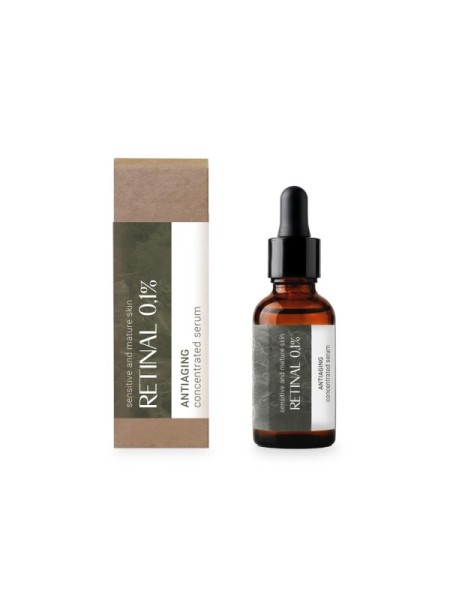
Retinal Anti-Ageing Serum 0.1% 30 ml | for firming anti-ageing care
A versatile option for everyday use.
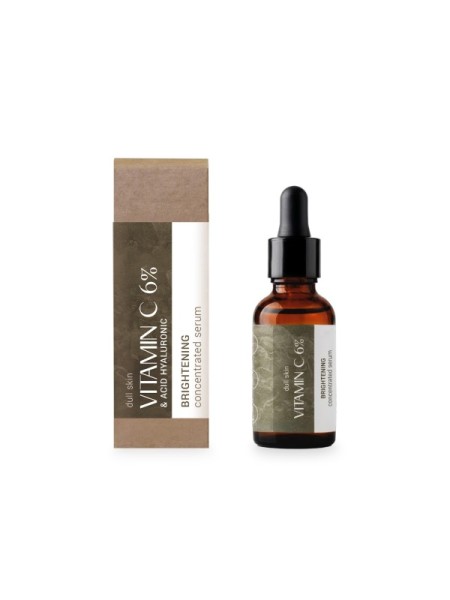
Antioxidant Serum Vit. C 6% 30 ml | for firming anti-ageing care
Designed for more specific care needs.
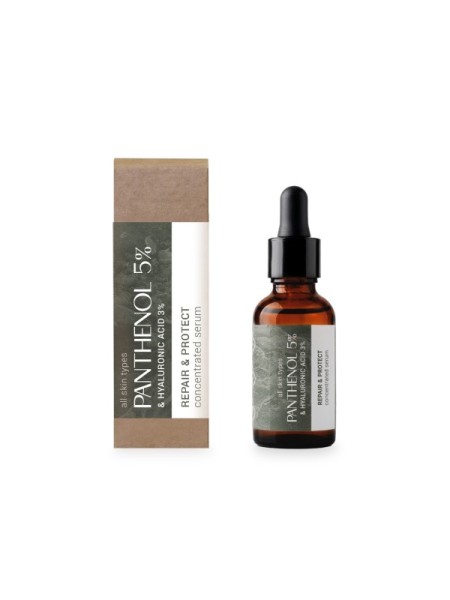
Panthenol Hydrating Serum 5% Hyaluronic Acid 3% 30 ml | for firming anti-ageing care
A complementary option for a more complete routine.
If your skin is sensitive or easily irritated
Start with gentle, hydrating, and soothing formulas. Aloe vera fits well here because it adds a refreshing feel and makes application more comfortable. Hyaluronic acid, panthenol, and botanical repairing ingredients also add a lot of value. For this skin type, a lightweight yet nourishing texture usually works better than an overly potent, drying serum.
The most practical approach is to use it a few nights a week at first and see how your skin reacts. If you notice tightness, flaking, or persistent discomfort, it doesn’t always mean retinal isn’t for you. It may simply indicate you need a lower frequency or a more balanced formula.
If you have dry or mature skin
Here, a retinal serum combined with hydrating and nourishing ingredients often works especially well. Pairing it with hyaluronic acid helps lock in moisture, and adding aloe vera, rosehip, or regenerative actives makes the routine more complete without requiring too many extra steps.
On mature skin, retinal is valued for its ability to enhance the skin’s overall appearance over time. It doesn’t work miracles overnight, but with consistent use, it can deliver brighter, more even-toned skin with a visibly firmer look.
If you’re looking for a lightweight texture and simple routine
Not everyone wants a ten-step routine. If you prefer something practical, look for a retinal serum that already includes supporting ingredients and pairs well with a simple moisturizer. Overly complex formulas can feel less convenient if your goal is to keep a straightforward nightly routine.
Ingredients that pair well with retinal
A good retinal serum doesn’t work in isolation. The experience varies greatly depending on what complements it in the formula or routine.
Aloe vera is one of the most helpful companions because it provides soothing sensation and light hydration. In a brand focused on natural, functional care, this combination makes a lot of sense: it helps the active feel gentler, especially for skin seeking efficacy without sacrificing comfort.
Hyaluronic acid also fits very well, especially when preventing tightness is a priority. It doesn’t compete with retinal but complements it by better maintaining hydration balance. Rosehip and calendula can also contribute in routines aimed at regeneration and caring for skin that needs extra nurturing.
Vitamin C deserves a caveat. It can be a great ally in an anti-aging routine, but it’s not always advisable to use it at the same time as retinal, especially if your skin is sensitive. In many cases, vitamin C works better in the morning and retinal at night. This way, you simplify the routine and reduce the risk of overloading your skin.
What to look for on the label before buying
When comparing options, pay attention to the complete formula and the skin type it’s designed for. A product aimed at sensitive skin should clearly communicate that and rely on hydrating or soothing ingredients. If you see a formula overloaded with strong fragrances or too many potent actives at once, it might not be the best starter choice.
Packaging also matters. An opaque, well-sealed container helps protect the product better. And texture is no minor detail: if a serum feels pleasant, you’re much more likely to use it consistently, which ultimately makes the difference.
If you shop online, give extra value to clear descriptions. A store that explains which skin type the serum is meant for, how to use it, and what to pair it with is saving you from mistakes. On a specialized ecommerce site like Aloeveraymas, that practical approach is more valuable than an endless list of promises.
How to use a retinal serum without complicating things
The best way to start is at night, on clean, dry skin. Apply a small amount followed by a moisturizer that helps maintain skin comfort. That’s all you need to begin.
During the first weeks, two or three nights per week are usually enough. If your skin responds well, you can gradually increase frequency. Going too fast often backfires more than being too cautious. With retinal, steady consistency typically yields better results than rushing.
The next day, it’s advisable to use sunscreen in your morning routine. Not to be dramatic, but because it makes sense to protect your skin while you’re working to improve its appearance. That combination of nighttime treatment and daytime protection is what best maintains results.
Common mistakes when looking for the best retinal serums
One of the most common mistakes is choosing based solely on trend or concentration. The best serum isn’t the strongest one, but the one your skin tolerates well and you can stick with over time. Another frequent error is mixing too many actives from the start. If you already use strong exfoliants or multiple treatments at once, it may be better to simplify before introducing retinal.
Expectations are also a big factor. A retinal serum can visibly improve skin, but it needs weeks of regular use. If you give up after a few days because you don’t see immediate changes, you’re not giving the product a fair chance.
And there’s another important point: if your skin is particularly stressed or highly sensitized, sometimes it’s wiser to prioritize hydration and soothing first. Introducing retinal at that time might not be comfortable. Waiting a bit and starting later with a gentle formula usually works better.
So, what are the best retinal serums?
The best retinal serums are those that combine efficacy with a well-balanced formula designed for your skin type and easy to incorporate into your actual routine. For sensitive skin, this usually means retinal with aloe vera and hydrating support. For dry or mature skin, you also want a regenerative, nourishing boost. If you’re after simplicity, it’s better to choose a well-rounded formula that doesn’t force you to add extra steps.
Rather than chasing the strongest product, it’s worth finding one that cares for your skin while it works. That’s the difference between a serum that impresses on the product page and one you actually end up using every week.
To make the right choice, think less about trends and more about your skin’s day-to-day life: does it dehydrate, does it irritate, does it need comfort, do you prefer a short routine? When you choose from there, retinal stops feeling like a complicated active ingredient and becomes a helpful, consistent, and much easier part of your routine.


