

When your skin reacts with tightness, redness, or stinging after washing your face or switching creams, you don’t need a more complicated routine. You need to find the best natural cream for sensitive skin based on what your skin really needs: soothing, hydration, and a formula that doesn’t overload it.
What the Best Natural Cream for Sensitive Skin Should Have
Sensitive skin usually tolerates shorter, well-formulated products with ingredients known for their soothing action. Here, the winning cream isn’t the one with the most promises, but the one that helps keep the skin comfortable all day long.
One of the most useful ingredients in this case is aloe vera. It provides a refreshing feel, helps calm irritation, and offers light hydration that works well even when skin is reactive. When combined with actives like calendula or rosehip, the result is often more complete: calendula is great for sensitive moments and rosehip helps nourish and improve the feel of fragile or dull skin.
It’s also important to look at the type of hydration the cream provides. Sensitive skin can be dry, combination, or even prone to blemishes. That’s why the same texture doesn’t always work. If the formula includes hyaluronic acid, it typically delivers moisture to the skin without leaving a heavy film. However, on very dry or mature skin, it’s appreciated when that hydration is paired with nourishing ingredients that enhance comfort.
How to Know if a Natural Cream Is Right for Your Skin
Not everything natural is automatically gentle for everyone. That’s one of the most common mistakes when searching for natural skincare. There are plant extracts that feel wonderful and others that, depending on each person’s sensitivity, can feel too strong.
Products selected for this guide
Choose the option that best fits your skin and your routine.
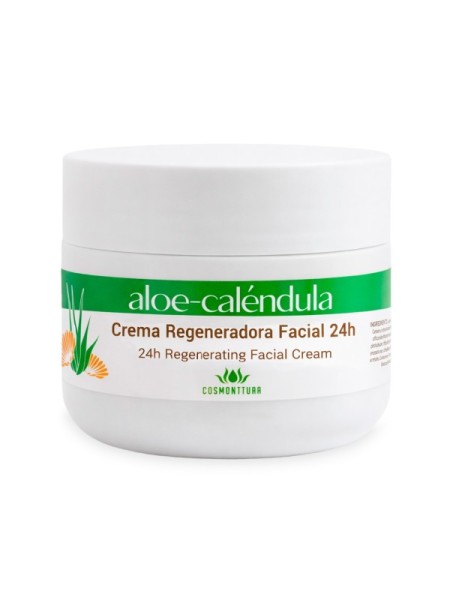
Regenerating Face Cream 24h 100 ml | for daily natural skincare, sensitive skin
A versatile option for everyday use.
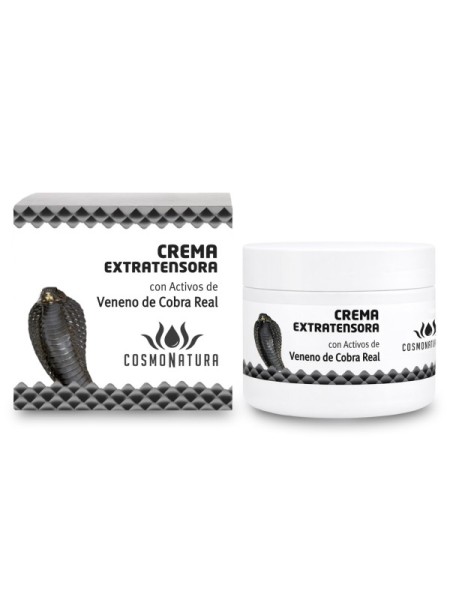
Extra-Firming Cream con activos de Cobra Venom 100 ml | for firming anti-ageing care
Designed for more specific care needs.
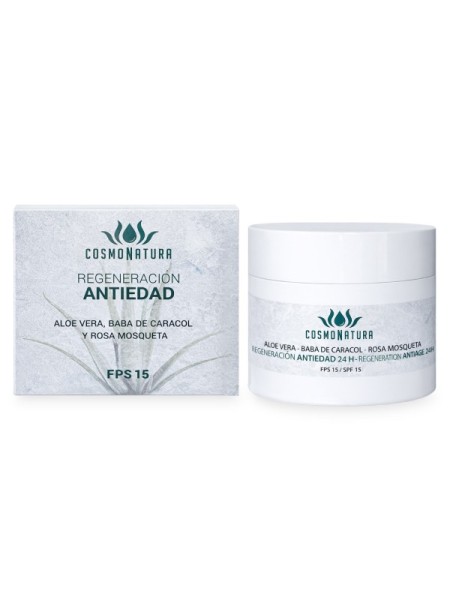
24H Anti-Ageing Cream Aloe-Facecol-Rosehip SPF 15 100 ml | for firming anti-ageing care
A complementary option for a more complete routine.
That’s why, when choosing a cream, it’s worth looking beyond the main claim. If your skin reacts easily, look for a formula aimed at soothing and repairing, not a cream full of many essential oils or exfoliating actives. For sensitive skin, less is often more.
The time when you use it also matters. During the day, many people prefer a light natural cream that’s easy to spread and doesn’t leave a greasy feel. At night, however, a richer texture can work better, especially if you notice dryness, tightness, or a need for recovery.
Ingredients That Typically Work Well
If you’re comparing options, there are several ingredients that tend to fit well in a natural cream for this skin type.
Aloe vera is a very versatile base because it hydrates and soothes without feeling heavy. Calendula is often loved when the priority is to reduce discomfort. Rosehip works best when there’s dryness or loss of elasticity in addition to sensitivity. And hyaluronic acid is great if you’re looking for comfortable hydration—one that you notice but that doesn’t overwhelm.
In some cases, a small boost of antioxidants can also add value, as long as the formula remains gentle. It’s not about packing your routine with actives, but about choosing a cream that cares for the skin barrier and keeps it stable.
Ingredients and Textures to Avoid If Your Skin Irritates Easily
There are no absolute rules here, but there are useful signs. If a cream has a very strong fragrance or you notice too many components that provide a warming, intense cooling, or heavy action, it’s probably not the best choice for sensitive facial skin.
The same goes for overly occlusive textures if your skin is combination, or for ultra-light formulas if your skin is dry and flaky. Sometimes the issue isn’t the main ingredient, but that the texture doesn’t match what your skin needs.
That’s why, when thinking about the best natural cream for sensitive skin, the question isn’t just what it contains, but how your skin feels half an hour later. If you feel comfort, suppleness, and calm, you’re on the right track. If tightness returns or you feel itching, that formula isn’t for you.
Which Texture to Choose Based on Your Type of Sensitive Skin
Sensitive skin doesn’t behave the same way in every case. Some people need immediate relief but can’t tolerate dense creams, while others only find comfort with more nourishing textures.
Dry, Sensitive Skin
In this case, a cream with aloe vera, calendula, and well-balanced vegetable oils usually works best. The idea is to deliver water and nutrition at the same time. If the cream only offers light hydration, it may fall short and tightness can return quickly.
Combination, Sensitive Skin
Here, you want a soothing but lighter formula. Aloe vera and hyaluronic acid usually deliver good results by hydrating without a heavy feel. If the cream also helps smooth reactive areas without leaving excess shine, even better.
Mature, Sensitive Skin
When sensitive skin has also lost elasticity or feels thinner, it’s important to look for a cream that soothes but doesn’t stop there. Ingredients like rosehip and hyaluronic acid can fit very well because they add comfort and help the skin look more supple and rested.
How to Introduce a New Cream Without Complicating Your Routine
Often, sensitive skin doesn’t react because the product is bad, but because the entire routine changes at once. If you’re trying a new cream, the most sensible approach is to keep other changes minimal.
Use a gentle cleanser, apply the cream, and observe how your skin responds over several days. If you start mixing in potent serums, exfoliators, or too many products at once, it will be hard to know what really suits you.
A good soothing cream can do much of the work if chosen well. In fact, for many sensitive skins, a short, consistent routine works better than a long, multi-step one.
Signs You’ve Found a Good Option
No miracles are needed. A suitable cream for sensitive skin is noticed mainly by daily comfort. The skin feels less tight, reddens less as the hours pass, and retains moisture better.
It also tends to improve the application of the rest of your routine. Makeup sets better, your skin doesn’t demand reapplication of cream every few hours, and the overall feeling is one of balance, not a constant fight against irritation.
If the formula also fits your daily life, it’s much easier to stay consistent. And consistency, for sensitive skin, usually yields better results than trying new products every week.
A Practical Choice: Aloe Vera and Soothing Actives
Within natural skincare, formulas with aloe vera make a lot of sense for those seeking daily care without excess. They are especially interesting when combined with reparative ingredients and textures designed for frequent use.
In a specialized store like Aloeveraymas, this approach is easy to find because the selection revolves around clear benefits: soothing, hydrating, regenerating, and simplifying your routine. That aligns perfectly with what truly sensitive skin needs.
Best Natural Cream for Sensitive Skin: What to Look for Before Buying
Before deciding, think about three things: how your skin feels right now, which texture you usually tolerate best, and whether you’re looking for a cream for daily use or for times when your skin is more reactive. This quick review helps avoid many poor purchases.
If your priority is soothing, aloe vera and calendula make a lot of sense. If you also need nutrition, rosehip can make a difference. And if you want comfortable, lightweight hydration, hyaluronic acid adds value without complicating the formula.
You don’t need to chase the perfect cream in the abstract. The best natural cream for sensitive skin is the one your skin gladly accepts, the one you can use morning and night without fear of irritation, and the one that turns daily care into a feeling of relief, not a constant test. Sometimes, getting it right starts with choosing fewer promises and more calm.


