
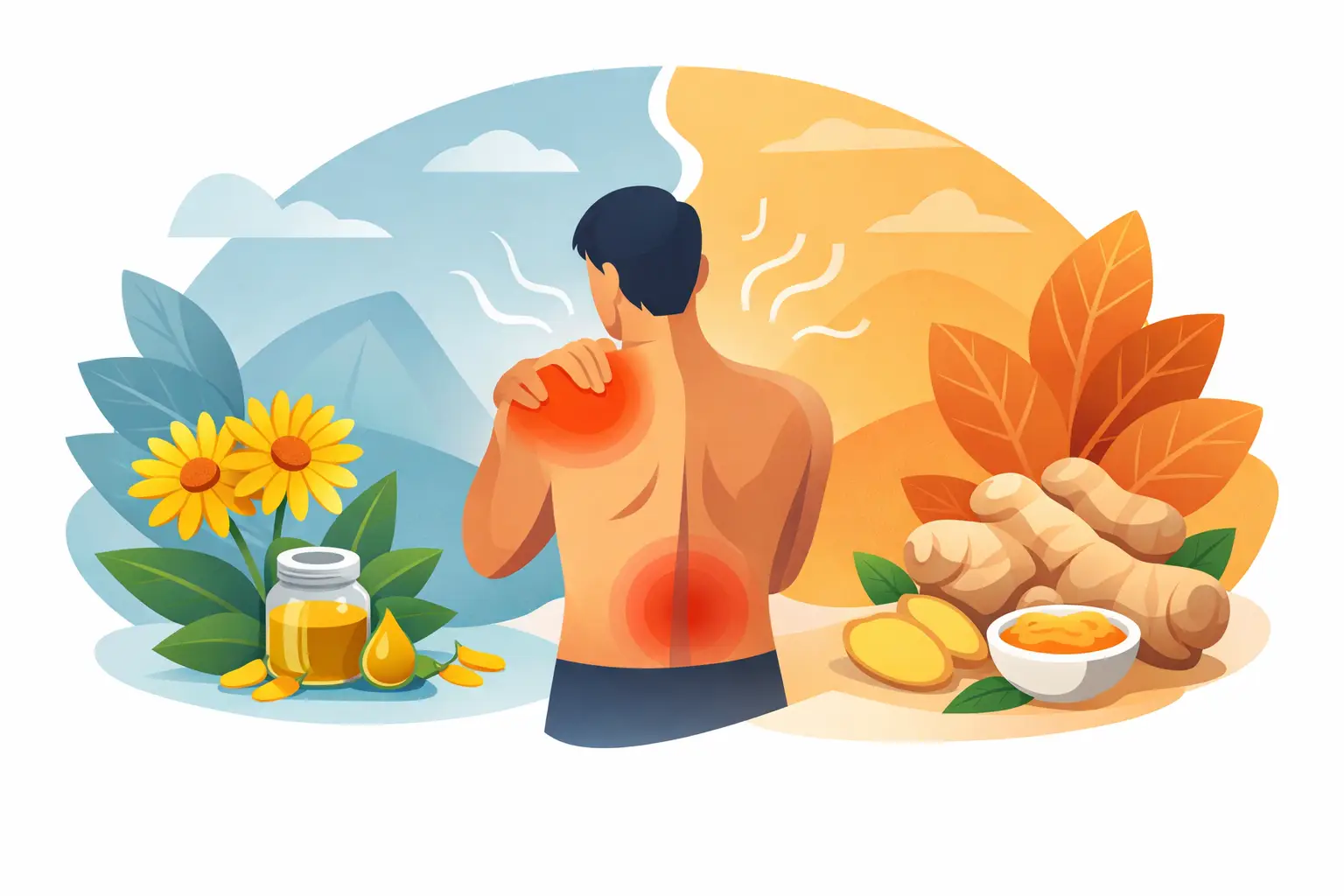
A tight back after hours of sitting, heavy legs after walking, or the usual stiffness post-workout raises a clear question: arnica or ginger for muscle relief? Both ingredients are found in massage gels and creams to boost recovery and offer a pleasant soothing sensation, but they feel different on the skin and fit different needs.
Choosing doesn’t have to be complicated. Arnica is typically linked to a comforting, calming massage, while ginger stands out for its warming, activating effect. Knowing this difference helps you pick a product you actually want to use, with the texture and sensation your body craves that day.
Arnica or Ginger for Muscles, Depending on How You Feel
There’s no one-size-fits-all ingredient for everyone or every situation. The body area, type of activity you’ve done, and the sensation you’re looking for all influence the choice.
Arnica is especially valued when you feel overloaded, have localized fatigue, or need a softer, more comforting massage. It’s traditionally used in body care post-exercise and works well on legs, shoulders, neck, or back after a long, intense day. In gel form, it’s convenient because it spreads easily and leaves the skin feeling light.
Ginger, on the other hand, is often chosen when you want a progressive warming sensation. It can be a great ally in a massage before light physical activity, on cold days, or when your body feels especially stiff. That warming effect supports a more active ritual: massage the area, move it gradually, and regain comfort before moving on with your day.
Products selected for this guide
Choose the option that best fits your skin and your routine.
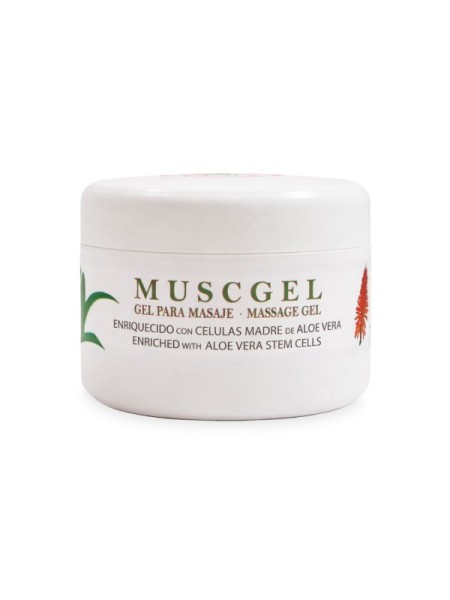
Aloe Vera Muscle Gel 200 ml | Cooling Sports Massage Gel for Tired Muscles
A versatile option for everyday use.
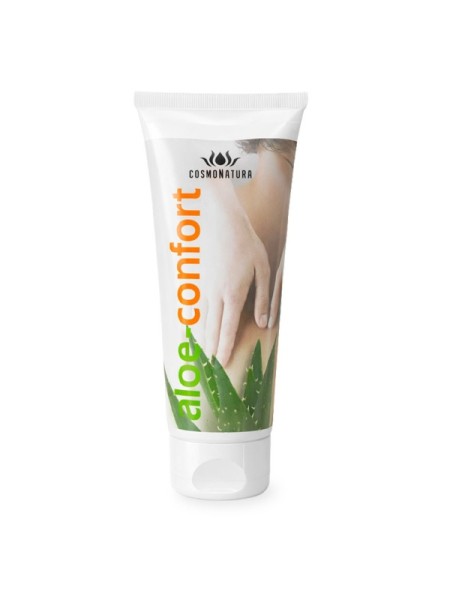
ALOE CONFORT Muscle Cream Gel 250 ml | Arnica, Menthol and Harpagophytum Massage Gel
Designed for more specific care needs.
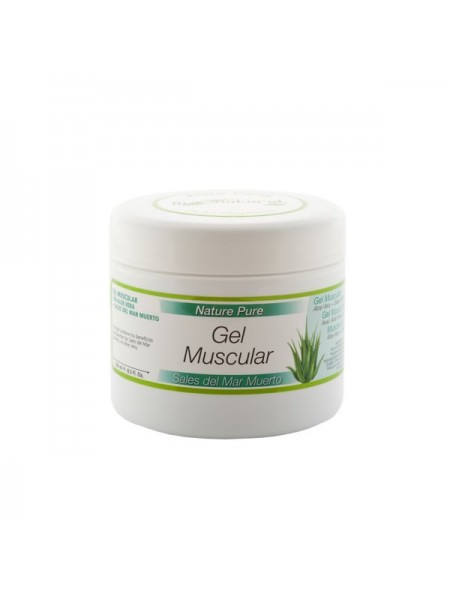
Muscle Massage Gel 500 ml with Aloe Vera, Dead Sea Salts, Arnica and Menthol
A complementary option for a more complete routine.
The key is to tune in to your dominant sensation. If you’re after calm and comfort post-exercise, arnica is usually the natural choice. If you prefer warmth and a massage that helps prepare or awaken the area, ginger may fit better.
When to Choose Arnica for Muscle Massage
A body gel with arnica works very well as part of your post-exercise routine, after a long walk, or when you get home after standing all day. Its use is linked to a moment of pause: apply a small amount, make circular movements, and let the texture absorb while the area relaxes.
It’s also a practical alternative for those who don’t enjoy products with an intense warming effect. Some people prefer a more neutral, fresh, or calming sensation, especially if they apply the product at night. In these cases, a formula with arnica and aloe vera can provide the right balance between functional massage and skin care.
Aloe vera doesn’t replace arnica’s function but enhances the user experience. It provides hydration, makes application more pleasant, and is especially helpful if your skin tends to dry out after a shower or contact with sportswear. A well-designed formula should glide on without leaving a sticky residue, so you can get dressed shortly after.
Arnica Fits Into Calm Recovery Routines
Think of arnica as the companion to a DIY release massage. It doesn’t require a long routine: a few minutes on calves, thighs, shoulders, or lower back with comfortable pressure is enough. Its value lies in turning a simple gesture into a consistent self-care moment.
To enhance that ritual, apply it to clean, dry skin. If your body feels very tired, a lukewarm shower beforehand can make the massage more enjoyable. Afterwards, drinking water, resting, and avoiding reloading the area are habits that also help.
When to Choose Ginger for a Warming Sensation
Ginger is a good choice when your body needs activation. Its warm sensory effect can feel very pleasant before going for a walk, doing mobility exercises, or starting a moderate workout. It’s also a common option for massaging areas that feel stiff after staying in the same position for a long time.
It’s not about applying more product for a stronger effect. A thin layer is usually enough, along with a brief, controlled massage. Wait a few minutes to see how your skin reacts before adding more. This precaution is useful with any body cosmetic concentrated in botanical extracts.
Ginger can be combined with other ingredients that complement the experience, such as menthol, harpagophytum, or aloe vera. Here, it’s important to focus on the overall formula result. Menthol provides freshness, while ginger delivers warmth; together they can create a more intense sensation that may not suit everyone.
Heat, Coolness, or a Balanced Formula
Some muscle gels prioritize heat while others opt for coolness. Neither is necessarily better—it depends on the moment. After intense activity, many people prefer lightweight textures with a fresh sensation. Conversely, before moving or during colder months, a ginger-based formula can feel more comforting.
If you’re not sure which sensation you prefer, start with a moderately effective product. This way, you can easily incorporate it into your routine and see if you enjoy using it on your neck, back, or legs. Consistency is often more helpful than having a very intense product that ends up tucked away in a drawer.
How to Choose a Muscle Gel That Also Cares for Your Skin
The label provides important clues. For everyday use, look for fast-absorbing formulas with a hydrating base and a combination of active ingredients that makes sense for you. Aloe vera is especially appealing in these products because it helps maintain a comfortable application and adds cosmetic care for your skin.
If you’re looking for post-workout recovery or recovery after an active day, arnica can be the main ingredient guiding your choice. If you want a warming massage before moving or to ease stiffness, consider ginger. When you need a more complete sensation, a formula combining arnica, ginger, menthol, and aloe vera can offer a versatile massage, as long as the intensity level feels comfortable.
Texture matters more than it seems. Gels are practical if you don’t want stains or greasy residues, and they’re often a good choice in summer or after training. Creams can be more suitable if, besides massaging, you need a nourishing feeling for dry skin. You don’t have to stick to one format forever: you can have a lightweight gel for daytime and a richer cream for nighttime.
Before first use, test a small amount on a small patch of skin and observe how you tolerate it. Avoid applying it to irritated skin, wounds, mucous membranes, or immediately after hair removal. Wash your hands when you’re done and avoid contact with eyes. If you notice any discomfort, remove the product and discontinue use.
A Simple Routine for Legs, Back, and Shoulders
The best routine is the one that fits into your day. After a shower or workout, pat your skin dry and apply a small amount of gel to the area that feels tight. Massage in circular motions on legs and shoulders; on the back, use your palm with slow, broad strokes.
For calves and thighs, start with upward movements and finish with gentle pressure. For the neck and traps, use a small amount and avoid getting too close to the eyes if the product contains menthol or ginger. Spending three to five minutes on each area can be enough to make the massage a helpful and enjoyable habit.
At Aloeveraymas, choosing between arnica, ginger, or combined formulas can be part of a simple body care routine: natural ingredients, practical textures, and a sensation tailored to how your body feels. The best product isn’t the one that promises the most, but the one that invites you to pause, massage, and care for your recovery regularly.


