

The question of aloe vera or calendula often arises when your skin calls for gentler care: you notice tightness after cleansing, occasional redness, rough patches, or a lingering discomfort that a too-light cream doesn’t soothe. Both botanical ingredients are excellent allies, but they don’t work in exactly the same way. Making the right choice can simplify your routine and give your skin exactly what it needs.
Aloe vera stands out for its fresh texture and ability to provide lightweight hydration, while calendula is linked to comforting formulas aimed at caring for skin that feels fragile or distressed. In many cases, it’s not about choosing one forever, but knowing when each is suitable and how to combine them without overloading your routine.
Aloe vera or calendula: differences that really matter
Aloe vera is a highly versatile ingredient for daily care. Its gel blends particularly well into lightweight textures like facial gels, body lotions, hydrating masks, or after-sun treatments. It delivers an immediate cooling sensation and helps your skin feel more comfortable when dehydrated or overheated.
Calendula, on the other hand, is typically found in creams, balms, oils, and richer formulations. It’s a great choice when the priority is supporting the recovery of dry, sensitive skin or skin exposed to irritants like cold, friction, or overly aggressive cleansing. Its feel is more enveloping than aloe’s, especially when paired with emollient ingredients.
Recommended products
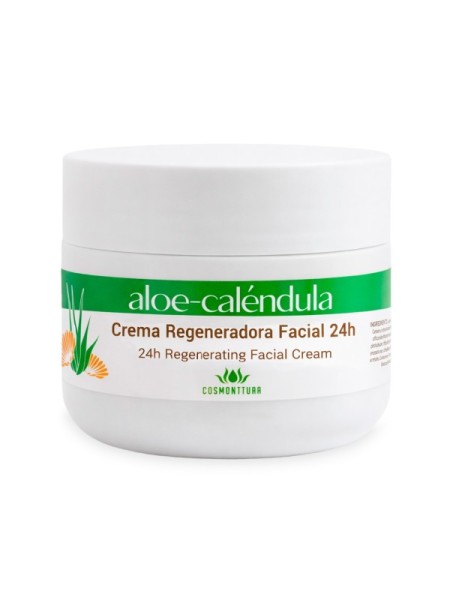
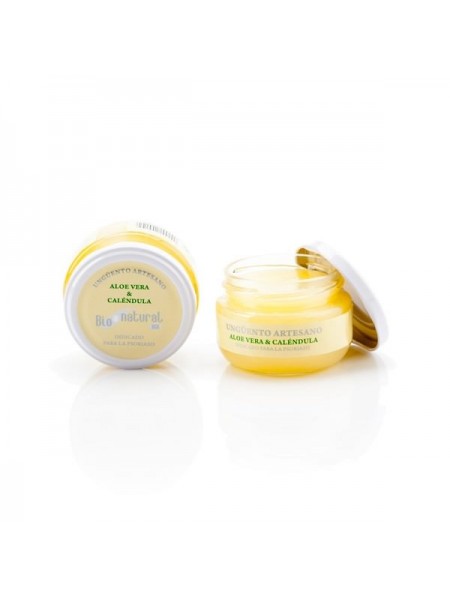
The practical difference lies in the feel and the goal. If you seek water-like freshness and a lightweight touch, aloe vera usually fits better. If you want comfort, nourishment, and more protective care, calendula could be the right choice. The full formula matters as much as the main ingredient—a calendula cream with vegetable oils will be richer than an aloe gel, but that doesn’t mean it’s better for every skin type or every situation.
When to choose aloe vera for face and body
Aloe vera works extremely well in routines needing weightless hydration. It’s especially practical for combination, oily skin, or skin that finds heavier products too dense on the face. It’s also useful if your skin dehydrates easily, something that can happen even when there’s shine in the T-zone.
After cleansing, a serum or hydrating aloe gel can provide an initial layer of comfort before applying your cream. In a morning routine, it pairs well with hyaluronic acid to boost hydration and with vitamin C if you aim to brighten and revitalize dull-looking skin. Ideally, apply the lightest textures first and finish with a cream that helps seal in moisture.
For the body, aloe vera is a welcome option after showering, hair removal, or when skin has been exposed to heat. A fast-absorbing body gel avoids any sticky feel and lets you dress almost immediately. For those who exercise, it’s also pleasant in cooling body products, especially if they include menthol or other extracts designed for massage and muscle relief.
That said, a fresh texture doesn’t replace a nourishing cream when you have visible dryness or flakiness. If aloe falls short, there’s no need to ditch it: you can use it as a first step and follow up with a richer cream.
A simple aloe vera routine
In the morning, gently cleanse your face, apply an aloe vera–based hydrator, and follow with a cream suited to your skin type. If your routine includes vitamin C, apply it before the cream. Finish always with sun protection.
At night, aloe can continue to be a good hydrating base, especially if you use actives like retinal on alternate evenings. In that case, it’s best to keep the rest of the routine simple: gentle cleansing, retinal treatment as tolerated, hydration with aloe, and a repairing cream if your skin needs it. Fewer steps—well chosen—usually yield better results than layering too many products.
When to choose calendula if your skin needs comfort
Calendula can be a wonderful companion when your skin is dry, reactive, or in need of extra softness. Think of seasonal changes, windy days, areas that rub against clothing, or hands that are washed repeatedly. In these situations, a calendula formula can make daily care more comfortable.
On the face, it’s especially fitting in night creams or treatments for dry, sensitive skin. If your skin is mature, look for formulas that combine calendula with hyaluronic acid, rosehip, or other hydrating ingredients. This gives you a richer texture without sacrificing a hydration-focused routine and healthy-looking skin.
Calendula also makes sense for specific body areas: elbows, knees, heels, cuticles, or spots that feel rough. Instead of applying a heavy cream all over if you don’t need it, save it for those areas and use a lighter lotion elsewhere. It’s a practical way to personalize your care without overcomplicating things.
When the goal is massage and body recovery, calendula can pair well with arnica formulas, ginger, or devil’s claw. It’s not about expecting miracles from one ingredient, but about choosing a gel or cream designed to massage tense areas after physical activity or a long day. The massage itself, done consistently with the right texture, also delivers a sense of relief and relaxation.
Can you combine aloe vera and calendula?
Yes, and for many skin types this combination makes perfect sense. Aloe brings freshness and light hydration; calendula adds a more nourishing, comforting feel. Together, they can be a great solution for those who want to support their skin barrier without endless routines.
An easy way to combine them is to use aloe vera by day and calendula by night. During the day, aloe leaves a light, comfortable feel under your cream and sun protection. At night, a calendula cream can accompany rest time and provide extra comfort, especially if you notice tightness by day’s end.
Another option is to tailor the choice to each area. For example, an aloe vera gel works well on the face, décolleté, or legs when you want freshness, while calendula can be reserved for hands, elbows, or heels. Not all body parts have the same needs, and treating each differently is more effective than using a single product for everything.
How to make the right product choice
Beyond choosing between aloe vera or calendula, review the texture and intended use. A facial product should feel comfortable under sunscreen and suit your skin type. A body product can be richer or fresher depending on whether you seek hydration, massage, or post-exercise recovery.
If you have sensitive skin, introduce a new product one at a time. This way you can observe how your skin reacts and avoid confusing reactions with a mix of several actives. It’s also wise to do a patch test on a discreet area before broad application, especially with formulas containing botanical extracts or essential oils.
Seek formulas aligned with your goal. For hydration, aloe vera and hyaluronic acid make a practical combo. For more nourishing care, calendula can be paired with rosehip or plant oils. For tired legs or muscles, a massage texture with arnica, menthol, or ginger can offer a refreshing, well-being sensation that feels great after movement.
At Aloeveraymas, the key is turning natural ingredients into easy-to-use solutions: a lightweight gel when you need freshness, a richer cream when your skin craves comfort, and a body massage treatment when your body needs a break. Listening to how your skin feels each day is the best way to choose between aloe vera, calendula, or a combination of both.
Natural cosmetics for your daily routine
Discover products with aloe vera, rosehip and natural active ingredients to care for your skin.
View products


