

Tight skin after showering, a complexion begging for moisture in the mid-afternoon, or tired legs post-workout don’t need an endless routine. Sometimes, a good aloe vera gel is the simple step that delivers freshness, comfort, and hydration right where it’s needed. The key is choosing the right formula and using it according to each area’s goal.
Aloe vera doesn’t have to stay tucked away with your summer products. When properly integrated, it can support a facial routine for dry or sensitive skin, offer a lightweight feel for combination skin, and round off body care when you need relief and recovery. Its water-based texture absorbs quickly and leaves skin feeling comfortable, without the heaviness of some creams.
What is aloe vera gel used for?
Aloe vera gel is mainly valued for its ability to hydrate and provide a soothing, refreshing sensation. It’s a practical choice when skin feels dehydrated, sun-exposed, irritated by friction, or simply needs comfort after cleansing.
On the face, it works particularly well as a light hydration layer. You can apply it before your cream to help lock in moisture, or use it on its own when skin desires a cooler texture. For oily or combination skin, this lightness is usually an advantage. Very dry skin, however, will appreciate sealing the gel with a nourishing cream or a few drops of rosehip oil.
On the body, it’s handy after showering, hair removal, or a hot day. You can also add it to a massage routine when combined with muscle-soothing actives like arnica, menthol, ginger, or devil’s claw. Not all aloe gels serve the same purpose: a facial gel aims to hydrate without feeling heavy, while a massage gel may prioritize coolness and a relaxing sensation.
Products selected for this guide
Choose the option that best fits your skin and your routine.
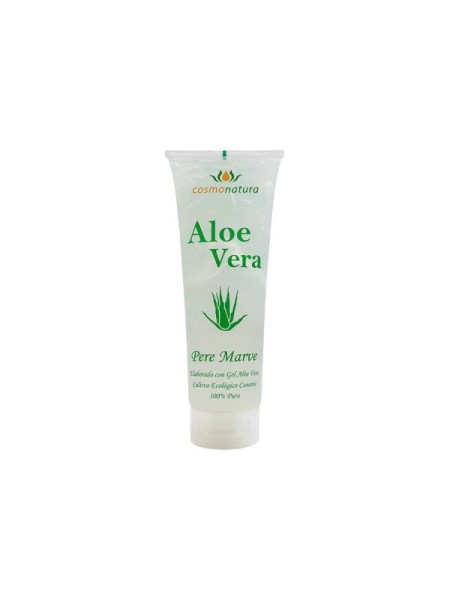
Pere Marve Aloe Vera Gel 100% organic Canarian cultivation 250 ml | for cooling face and body hydration
A versatile option for everyday use.
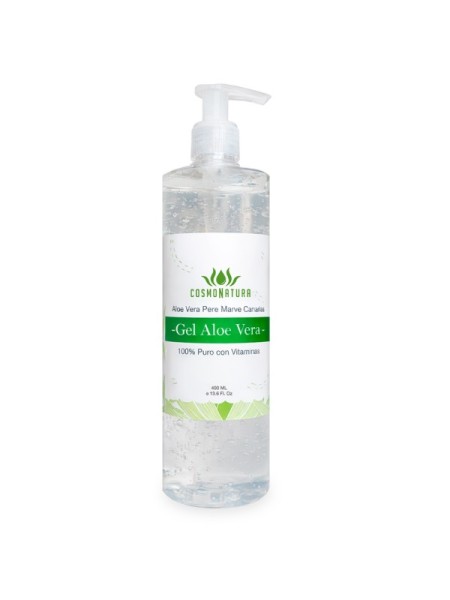
Aloe Vera Gel 100% organic con Vitamin A y E 400 ml | for cooling face and body hydration
Designed for more specific care needs.
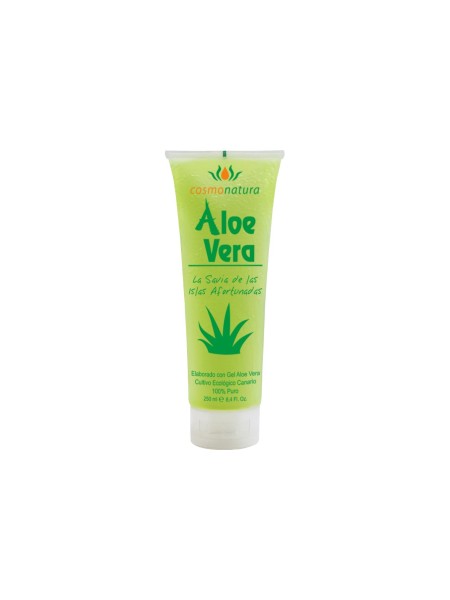
BIOGEL Green Aloe Vera Gel 99.5% 250ml | Soothing care for daily skincare
A complementary option for a more complete routine.
Aloe vera gel for the face: how to incorporate it
The best time to use it depends on your skin’s behavior and the rest of your routine. After cleansing, apply a small amount to slightly damp skin. Spread it with gentle strokes, avoiding too much rubbing, and let it absorb before moving on.
In the morning, the gel can be a hydrating first step before a vitamin C serum and a cream suited to your skin type. If your skin stays comfortable for hours, you might need only a minimal amount of cream. If you feel tightness, the cream is non-negotiable: the gel supplies water, but the following layer helps lock it in.
At night, aloe pairs well with routines focused on regeneration and comfort. You can apply it before a hyaluronic acid serum or alternate it with retinol products, depending on your skin’s tolerance. If you use retinol, it’s best to keep the routine simple: gentle cleansing, treatment, hydration, and consistency. Introducing too many actives at once can make it harder to know what truly benefits your skin.
According to your skin’s needs
Sensitive skin often appreciates simple formulas without strong fragrances and with a texture that doesn’t require heavy massage. Aloe can deliver a pleasant sensation after cleansing, though it’s always wise to patch-test on a small area if your skin reacts easily.
If your skin is dry, think of the gel as a complement, not the sole step. Apply it to damp skin and follow with a nourishing cream. A few drops of rosehip oil, preferably at night, can be a great ally when seeking extra comfort.
For combination or shine-prone skin, an aloe vera gel with fast absorption can help hydrate unbalanced areas without leaving a heavy finish. Even so, your cheeks may need more support than your forehead or nose. Adjusting the amount by zone usually gives better results than applying the same amount everywhere.
How to choose a good aloe vera gel
Labels matter. An attractive packaging doesn’t guarantee an effective formula, and an aloe gel should offer clear information about its ingredients and recommended use. Check that aloe appears prominently on the ingredient list and assess whether the formula meets your needs.
For the face, you’ll generally want a lightweight, pleasant formula designed for skin. If you need extra hydration, hyaluronic acid complements aloe very well. For a repair-focused routine, ingredients like calendula or rosehip add a more nourishing, soothing touch.
For legs, back, shoulders, or sore areas after activity, a body gel with aloe, arnica, menthol, or botanical extracts might be more suitable. Aloe ensures a fresh, comfortable application, while the other ingredients enhance the massage experience. Menthol provides a more intense cooling sensation, which not everyone prefers. If you want a less stimulating, gentler finish, a formula with calendula may be a better fit.
Before buying, consider the packaging format. A dispenser pump is convenient for daily use by the sink or in the shower. A tube is handy for the gym, travel, or your beach bag. A large size makes sense for family use or regular body application, but for trying a new formula, it’s wiser to start with a manageable size.
Body uses that fit into a real routine
After exercise, a brief massage with an aloe gel enriched with refreshing actives can become a simple recovery ritual. No need to overthink it: apply a sufficient amount to the tense area and massage slowly until absorbed. The cooling sensation can help you end the day feeling more comfortable.
Post-shower, aloe is a lightweight alternative to body lotion when heat or humidity makes rich textures uncomfortable. On arms, legs, and décolletage it leaves a clean, fresh feel. If skin is especially dry, you can alternate it with a richer body cream on days when you need extra nourishment.
It’s also useful after hair removal or spending time outdoors, when skin craves a soothing gesture. Apply a thin layer to clean skin, avoiding irritated or damaged spots. If you experience persistent stinging or an unexpected reaction, remove the product and discontinue use.
Common mistakes when using aloe
The most common error is expecting a single gel to meet all skin needs. Aloe hydrates and refreshes, but it doesn’t necessarily replace a nourishing cream, a targeted serum, or your daily sun protection. It works best when it has a clear place in a simple routine.
Another mistake is using too much. A thick layer can take longer to absorb and leave a sticky feel—not because of product quality, but because of excess. Start with a small amount and add more only if your skin asks for it.
Also, don’t confuse a facial gel with a massage gel for the body. A menthol-based product can be great for tired legs but isn’t designed for the eye area or face. Using each formula in its intended context enhances the experience and prevents unnecessary discomfort.
Finally, consistency outweighs the number of products. Regular use of an aloe gel after cleansing, post-shower, or after workouts can truly improve your skin’s comfort. At Aloeveraymas, aloe is understood exactly this way: as a versatile, natural base that can support both facial care and moments of body relaxation.
Choose the aloe vera gel that meets today’s need, apply it mindfully, and notice how your skin feels. A useful routine isn’t the one with the most steps, but the one you can maintain and enjoy every day.


