

Tightness after washing your face, flaky patches, or the feeling that your moisturizer falls short often indicate that your skin needs a more coherent routine, not an endless collection of products. A well-planned aloe facial routine provides hydration, comfort, and a smooth foundation on which you can incorporate actives according to your skin’s needs.
Aloe vera is especially useful when you want to simplify: it helps make the routine feel fresh and pleasant, and it pairs well with ingredients aimed at hydration, radiance, and caring for visible signs of aging. The key is to follow the correct order of application, not introduce too many new products at once, and tailor each step to how your skin behaves.
What Aloe Can Bring to Your Facial Routine
Aloe vera stands out for its lightweight texture and soothing sensation. In a cleanser, toner, serum, or facial cream, it supports hydration without leaving a heavy film. That’s why it can work well on dry, sensitive, combination, or T-zone-prone skin.
That said, a product containing aloe doesn’t mean it will solve all your skin needs on its own. If you notice a lack of comfort, look for formulas that combine it with hyaluronic acid. If your priority is to achieve a more even and radiant appearance, vitamin C can fit into your morning routine. For nighttime care of mature skin, retinal can be a great ally if introduced progressively.
The advantage of building your routine around aloe is that it allows you to add these actives without starting from an aggressive base. Fewer, well-chosen steps often deliver better results than swapping products every week.
Products selected for this guide
Choose the option that best fits your skin and your routine.
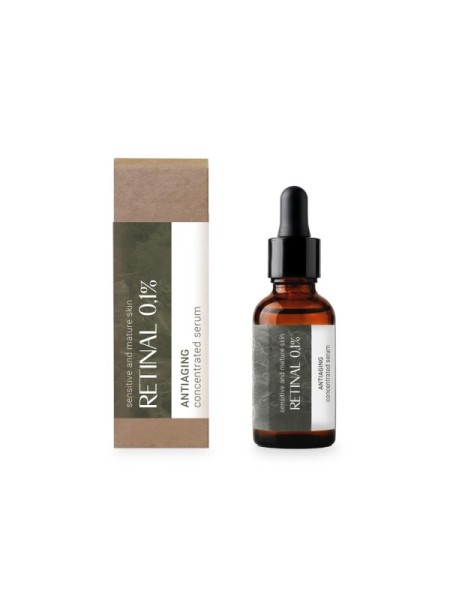
Retinal Anti-Ageing Serum 0.1% 30 ml | for firming anti-ageing care
A versatile option for everyday use.
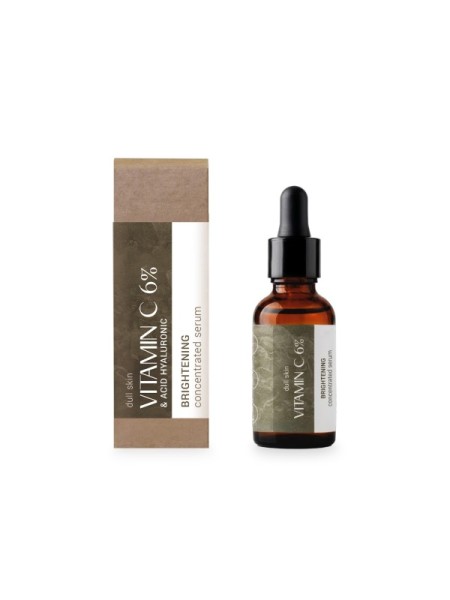
Antioxidant Serum Vit. C 6% 30 ml | for firming anti-ageing care
Designed for more specific care needs.
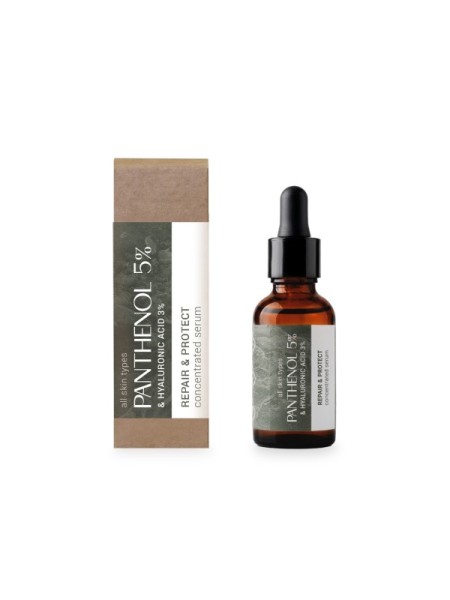
Panthenol Hydrating Serum 5% Hyaluronic Acid 3% 30 ml | for firming anti-ageing care
A complementary option for a more complete routine.
Morning Aloe Facial Routine
Mornings don’t need to be complicated. The goal is to remove excess oil or sweat accumulated overnight, deliver moisture to the skin, and protect it against daily aggressors.
1. Gentle Cleansing without Tightness
Start with a facial cleanser that’s gentle, preferably with aloe vera if your skin feels dry, sensitive, or tight after washing. Massage it in with lukewarm water, avoiding rubbing, and rinse thoroughly. Very hot water can increase dryness, even when using good products.
If your skin is very dry and feels balanced in the morning, you can opt for a very light cleanse. However, if you have shine or use more nourishing treatments at night, a gentle cleanse will be more useful to start with fresh skin.
2. Hydrating Serum with Aloe and Hyaluronic Acid
With your skin still slightly damp, apply an aloe serum with hyaluronic acid. This combination helps provide hydration and leaves a more supple feel, especially on the cheeks, lip contour, and forehead, where dehydration often becomes visible first.
No need to apply too much. Two or three drops, spread with gentle presses, are usually enough. Wait a few seconds before the next product to let the texture settle.
3. Vitamin C for Brightness
Vitamin C can be a great morning step for those looking to brighten dull skin and complement a routine focused on preventing visible signs of aging. If you’ve never used it before, start on alternate days and observe how your skin responds.
For sensitive skin, prioritize comfortable formulas and avoid adding vitamin C, exfoliants, and other new actives at the same time. Introducing one change at a time lets you know what’s truly working for you.
4. Facial Cream and Sunscreen
Seal in hydration with a facial cream containing aloe, hyaluronic acid, rosehip oil, or calendula, depending on the texture you prefer. A richer cream suits dry or mature skin; a lightweight lotion is usually more comfortable on combination skin.
Always finish with broad-spectrum sunscreen. It helps preserve the hydration and care achieved with the rest of your routine. Apply a generous amount to your face, neck, and décolleté if they are exposed.
Nighttime Aloe Facial Routine
At night, your skin appreciates a routine focused on thoroughly removing the day’s buildup and providing care without rush. This is also the most practical time to incorporate retinal, as long as your skin tolerates it and you’re not overusing it.
Remove Makeup, Sunscreen, and Impurities
If you’ve worn makeup or sunscreen, perform a careful cleanse. You can start with a pleasant-texture makeup remover and continue with your aloe facial cleanser. The aim isn’t to leave the skin squeaky clean, but clean and comfortable.
Overly intense cleansing can lead to compensating afterward with more nourishing products than necessary. If you notice stinging or tightness when drying off, review your cleanser and the frequency of exfoliating actives.
Alternate Hydration Nights with Retinal Nights
Hydration nights are simple: apply a serum with aloe and hyaluronic acid, followed by a repairing cream with ingredients like calendula or rosehip oil. This combination is a great choice when the skin looks dull, is exposed to cold or air conditioning, or simply needs extra comfort.
Retinal nights require more moderation. After cleansing, apply a small amount of the retinal product following its instructions and continue with a moisturizer if needed. Start with two nights a week and increase only if your skin remains comfortable. It’s not necessary to use retinal every night to build an effective routine.
Avoid combining retinal on the same night with potent exfoliants if you’re still finding your ideal frequency. Alternating allows for gentler care and reduces the chance of sensitization.
Adjust Your Routine Based on What You See in the Mirror
A useful routine isn’t measured by the number of bottles you own, but by how your skin feels and looks after several weeks of consistent use. If your skin is dry, prioritize a hydrating serum and a richer cream with aloe, hyaluronic acid, calendula, or rosehip oil. If it’s sensitive, reduce changes, choose simple textures, and give each product time.
For combination skin, you can maintain a lightweight moisturizer all over the face and apply slightly more to drier areas. If you’re prone to breakouts, look for non-heavy finishes and avoid combating shine with harsh cleansers. The feeling of extreme cleanliness doesn’t equate to better-cared-for skin.
For mature skin, the combination of aloe, hyaluronic acid, vitamin C in the morning, and retinal on alternate nights offers a practical framework. Even so, the pace should adapt to each person’s tolerance. Consistency with a simple routine is often more valuable than using many actives irregularly.
Mistakes That Can Undermine Results
The first is using homemade aloe vera directly on the face without assessing the leaf’s condition, storage, or your skin’s reaction. Cosmetic products formulated for facial use offer more comfortable application and allow for a balanced combination of aloe with other ingredients.
It’s also wise to avoid changing your entire routine at once. If you introduce a new cleanser, serum, cream, and retinal within a week, it will be hard to identify which product provides comfort or which one doesn’t agree with you. Introduce new items one by one, especially if your skin is reactive.
Finally, don’t forget your neck and décolleté. These areas often receive less hydration despite the same daily exposure. Extending your serum, cream, and sunscreen to them doesn’t add complexity but does improve the coherence of your care.
A good routine doesn’t have to occupy much space in the bathroom or take ten minutes in front of the mirror. Choose an aloe base that feels pleasant, add actives that meet your goals, and stick to the plan every day. When your skin consistently receives hydration, protection, and rest, skincare becomes much easier to maintain.


