

There’s a moment in almost every skincare routine when doubt arises: you buy a serum because you want more hydration, a glow, or improved skin appearance, but you’re not sure when to use facial serum or where it fits in. And that’s where many routines get unnecessarily complicated. The good news is that serum doesn’t require a lengthy routine—just apply it correctly and choose the right one for what your skin truly needs.
When to use facial serum in your routine
Facial serum is applied after cleansing and before moisturizer. That’s its natural spot in almost any routine, as it usually has a lighter texture and a concentration of active ingredients designed to target specific concerns like dehydration, lack of radiance, or signs of aging.
If you use a toner, apply serum after it. If you don’t, apply it directly onto clean, dry or slightly damp skin, depending on the product’s texture. Then seal it with a face cream to help lock in hydration and leave skin feeling comfortable.
So, when someone asks when to use facial serum, the quick answer is simple: after cleansing and before moisturizer. The more complete answer depends on the type of serum and the time of day.
Morning or night: it depends on the active ingredient
Not all serums are meant for the same time. Some work especially well in the morning, others fit better at night, and some can be used both times if your skin tolerates them well.
Products selected for this guide
Choose the option that best fits your skin and your routine.
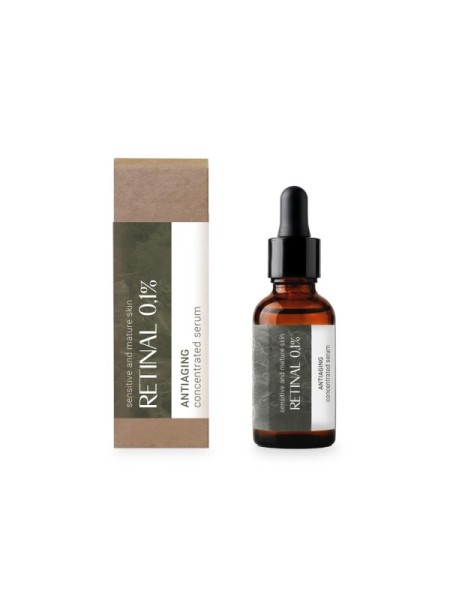
Retinal Anti-Ageing Serum 0.1% 30 ml | for firming anti-ageing care
A versatile option for everyday use.
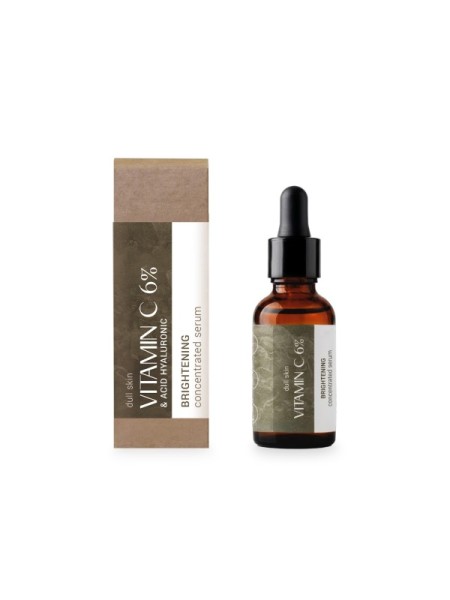
Antioxidant Serum Vit. C 6% 30 ml | for firming anti-ageing care
Designed for more specific care needs.
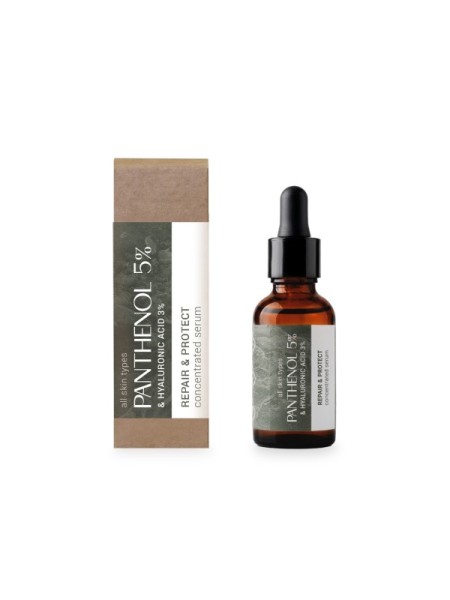
Panthenol Hydrating Serum 5% Hyaluronic Acid 3% 30 ml | for firming anti-ageing care
A complementary option for a more complete routine.
Morning serum
Hydrating and antioxidant serums usually fit best in the morning. A serum with hyaluronic acid helps skin look fresher and more supple throughout the day, especially if you notice tightness, discomfort, or dry patches. It’s also a good choice for sensitive skin that prefers simple and effective routines.
Vitamin C is also often reserved for the morning because it helps brighten and improve a dull complexion. If your goal is to achieve a more even, radiant look from the early hours, this type of serum makes a lot of sense at that time.
After your morning serum, apply your cream and always finish with sunscreen. Without sun protection, the routine is incomplete.
Night serum
The night is usually the best time for more intensive or renewing serums. This is when formulas with retinal or ingredients aimed at improving texture, smoothing fine lines, and supporting skin regeneration work best.
At night, the routine can be a bit more treatment-focused, but not necessarily more complicated. Cleanse, apply serum, then cream. For dry or mature skin, you can even combine a treatment serum with a nourishing cream for added comfort.
If you’re starting with actives like retinal, it’s wise to introduce them gradually. Using more or applying them more often won’t necessarily yield better results. In fact, for sensitive skin, it often works better to start with a lower amount and see how your skin reacts.
How to know which serum you need
Choosing the right serum is almost more important than the exact timing. If the product meets a real need of your skin, the routine becomes simpler and more meaningful to maintain.
If your skin is dehydrated or tight
Look for a hydrating serum, especially one with hyaluronic acid and aloe vera. This combination delivers moisture, comfort, and a more elastic feel—very helpful when skin feels rough, dull, or uncomfortable. On dry skin, it can be used morning and night without issue.
If you notice sensitive or irritated skin
In this case, it’s best to prioritize calming and repairing formulas. Ingredients like aloe vera, calendula, or pure rosehip oil are great allies when skin needs gentler care and less stimulation. Here, the key isn’t layering products, but choosing one that helps soothe and strengthen your routine.
If you’re aiming for radiance and an overall better look
A serum with vitamin C can help if you see tired, dull skin or uneven tone. It’s a very practical option for those who want a visible improvement without complicating their routine. If your skin is sensitive, it’s worth starting with a milder formula and observing tolerance.
If you’re concerned about wrinkles or firmness
Serums with retinal are designed for more targeted anti-aging routines. They’re useful when you want to improve texture and the look of fine lines, but they require consistency and some caution when introducing them. In these cases, less is more at first.
How much to apply and how
With serum, quantity matters. You don’t need to soak your skin. Just a few drops are usually enough for the face and, if desired, the neck. Overapplying rarely improves results and can make the routine feel heavy or waste the product.
Spread it with clean hands, gently pressing or gliding without rubbing too hard. Wait a few seconds before applying your cream. You don’t need to wait long—just enough time for the serum to set.
If you use several products, remember this simple rule: go from the lightest texture to the densest. This way you’ll avoid unnecessary mixing and ensure your skin benefits from each step.
Common mistakes when using facial serum
One of the most common mistakes is using a serum and expecting it to replace the entire routine. Serum treats, hydrates, or improves specific concerns, but it usually needs a cream to lock in moisture and maintain skin balance.
Another frequent error is combining too many actives at once. If you mix vitamin C, retinal, exfoliants, and other treatments without a clear plan, your skin may end up more irritated than benefited. For most people, a simple routine works better and is easier to stick to.
It’s also wise to avoid switching serums every few days. If a product is well-chosen, it needs consistency. Skin usually responds better to steady use than to constant changes.
When to use facial serum based on your skin type
Dry skin often benefits from daily serum use, morning and night, especially if it contains hydrating and soothing ingredients. In this case, serum not only improves appearance but also makes skin feel more comfortable throughout the day.
Sensitive skin needs gentle formulas and short routines. Here, the best serum isn’t the most potent, but the one that helps without causing irritation. Aloe vera, calendula, or rosehip oil often fit this profile very well.
Combination or oily skin can also benefit from serum, especially because it provides treatment without a heavy feel. Often, a lightweight texture is exactly what makes the routine more pleasant and easy to maintain.
Mature skin often benefits from a balanced combination: hydration on one hand and anti-aging treatment on the other. A serum with hyaluronic acid in the morning and one with retinal at night can be a practical option, as long as your skin tolerates it well.
Can you use more than one serum?
Yes, but it’s not always necessary. If you have multiple concerns, you can split serums between morning and night instead of layering them all at once. It’s a more comfortable way to care for your skin without overwhelming it.
For example, a hydrating or antioxidant serum in the morning and a renewing one at night is usually a reasonable combination. On the other hand, using multiple serums in a row only makes sense if the formulas are compatible and your skin responds well. When in doubt, simplifying is often the best choice.
How to fit it into a realistic routine
A useful routine isn’t the longest one, but the one you can actually stick to. If you’re looking for hydration, cleansing, serum, and cream can be enough. If you also want to work on radiance or signs of aging, just choose the most suitable active for each time of day.
At Aloeveraymas, this approach fits especially well with natural, functional cosmetics: products that provide hydration, repair, and visible care without making skincare complicated. The key is to listen to your skin and respond with what’s necessary, not maximum effort.
If you’re still unsure when to use facial serum, remember this simple idea: use it right after cleansing, before cream, and let the type of active determine if it’s best in the morning, at night, or both. When the product fits your skin, the routine stops feeling like a chore and starts delivering results you can truly see in the mirror.


