

Do you notice your skin feeling tight, dull, or showing more pronounced lines just when you need a fresh complexion? In many cases, the answer lies in understanding exactly what hyaluronic acid is and how it can help you within a simple routine. There’s no need to overcomplicate things: well chosen, it’s one of those actives that fits best when you’re seeking real hydration, comfort, and better-looking skin.
What Is Hyaluronic Acid
Hyaluronic acid is a substance naturally present in our body, known for its ability to attract and retain water. In cosmetics, it’s mainly used to help keep the skin hydrated, flexible, and with a plump, dewy look.
Put simply, it acts as support so the skin doesn’t appear so dry or tired. When the skin loses water easily, it often feels rougher, more sensitive, and less comfortable. That’s where this ingredient makes sense in daily skincare.
Over time, skin tends to show more dehydration, less elasticity, and a less even texture. That’s why hyaluronic acid has become a staple in routines for dry, sensitive, or mature skin, although it’s not exclusive to those cases.
What Hyaluronic Acid Does for the Skin
Its main function is hydration, but its benefits are noticeable on several fronts. Well-hydrated skin usually looks smoother, fresher, and with fine lines from dehydration less visible. Plus, when the skin barrier feels more comfortable, the overall sensation improves too.
Products selected for this guide
Choose the option that best fits your skin and your routine.
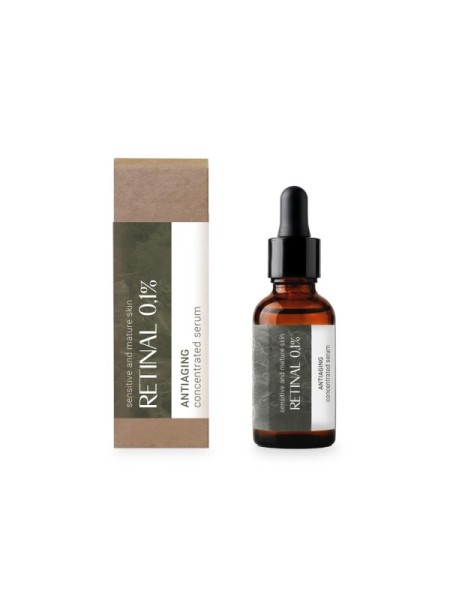
Retinal Anti-Ageing Serum 0.1% 30 ml | for firming anti-ageing care
A versatile option for everyday use.
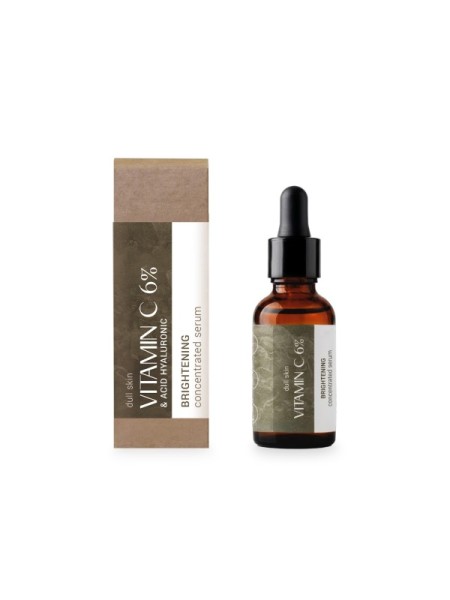
Antioxidant Serum Vit. C 6% 30 ml | for firming anti-ageing care
Designed for more specific care needs.
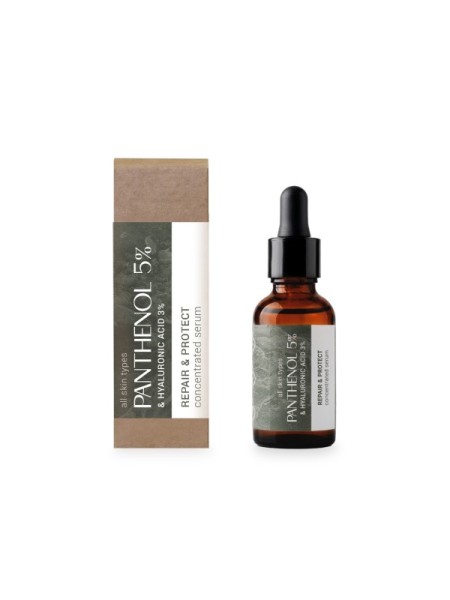
Panthenol Hydrating Serum 5% Hyaluronic Acid 3% 30 ml | for firming anti-ageing care
A complementary option for a more complete routine.
It doesn’t work miracles nor replace a complete routine on its own, but it does make a clear difference when the skin is craving moisture. That’s why it frequently appears in serums, face creams, eye creams, and soothing treatments.
In practice, hyaluronic acid can help to:
- relieve the feeling of tightness
- deliver visible, fast hydration
- improve the appearance of fine lines caused by dehydration
- give the skin a more supple, comfortable finish
- complement other routines focused on firmness or radiance
This last point is important. If you use vitamin C, retinal, or other more intense actives, having a hydrated base usually makes the routine more balanced and manageable.
Types of Hyaluronic Acid
Not all hyaluronic acid works exactly the same. In cosmetics it usually comes in different molecular weights, and that affects how it feels on the skin and the type of hydration it provides.
High molecular weight hyaluronic acid tends to stay on the surface. It provides an immediate sensation of smoothness and helps reduce water loss. It’s great when you notice dry or tight skin, or if your skin is exposed to cold, wind, or air conditioning.
Low molecular weight is formulated to work at a deeper cosmetic hydration level. It’s often a good choice when you’re looking for a visually plumper skin and improved elasticity in daily life.
Many products combine several molecule sizes. That’s usually a good sign, as it allows for more complete hydration, both superficial and longer-lasting. For most people, that combination is more useful than focusing on a single type.
Which Skin Types Can Use It
One advantage of hyaluronic acid is that it fits into almost any routine. Dry skin usually appreciates it immediately because it brings comfort. Sensitive skin also tends to do well with it, especially if it’s accompanied by soothing ingredients like aloe vera or calendula.
On mature skin it’s very practical because it helps skin look less dull and more elastic. It doesn’t erase wrinkles, but it does improve the overall look when dehydration accentuates signs of aging.
If you have combination or oily skin, it’s not ruled out either. In fact, a lightweight serum with hyaluronic acid can hydrate without feeling heavy. The key is the texture. In this case, light, fresh, fast-absorbing formats usually work best.
You just need to set realistic expectations. If your skin is very compromised, flaky, or reactive, it’s not only about adding a serum and expecting immediate changes. Sometimes you need to review the entire routine to make it gentler and more consistent.
How to Use Hyaluronic Acid Correctly
This is where many people go wrong. Hyaluronic acid works best when applied to slightly damp skin and then sealed with a cream. If you use it alone and your skin or the environment is very dry, you might not notice the expected result.
The usual order is simple: cleanse, hyaluronic acid serum, and then a moisturizing cream. In the morning, finish with sunscreen. At night, you can combine it with other actives if your skin tolerates them well.
If you’re starting out, you don’t need a long routine. A gentle cleanser, a hydrating serum, and a cream to maintain comfort can already transform your skin’s appearance in a few weeks of consistent use.
How to Combine It with Other Actives
One of its great advantages is that it usually plays well with other ingredients. With vitamin C it forms a good pair if you’re looking for hydration and radiance. With retinal or cosmetic retinoids it’s useful to offset the dryness some people notice at first.
It also works very well with aloe vera, especially when the priority is to soothe and refresh. This combination makes a lot of sense in routines for sensitive skin or seasons when skin feels more irritated.
With oils like rosehip oil, it can offer a more nourishing routine, ideal for dry or mature skin. Hyaluronic acid brings water and the oil helps lock it in better. They don’t compete; they complement each other.
That said, more ingredients don’t always mean better results. If your routine has too many actives, your skin can become overloaded. A simple, well-chosen combination often works better than five products used without criteria.
How to Choose a Good Hyaluronic Acid Product
When you’re looking for a product, it’s worth focusing less on the marketing claim and more on the formula and texture. A good hyaluronic acid serum should feel pleasant, be easy to use daily, and suit your skin type.
If you have dry skin, look for richer formulas or those that include aloe vera, glycerin, or repairing ingredients. If your skin is combination, opt for light textures that hydrate without leaving a heavy residue. If it’s sensitive, prioritize simple, soothing formulas.
It also helps to consider your goal. Want a one-time hydration boost or building a comfortable, consistent anti-aging routine? For the former, a basic serum may suffice. For the latter, it makes sense to pair it with a good cream and complementary actives.
In a specialty store like Aloeveraymas, this choice is often easier when products are organized by real need: hydration, repair, comfort, or care for mature skin. That buying approach saves time and prevents accumulating cosmetics that don’t suit you.
Common Mistakes When Using Hyaluronic Acid
The most common mistake is thinking it does everything. It hydrates very well, but it doesn’t replace a complete routine or solve all skin problems on its own. If you’re looking for firmness, radiance, or nutrition, you’ll need to pair it with other suitable products.
Another frequent error is skipping the follow-up cream. The serum provides hydration, but the cream helps maintain it. Without that step, some skin types still feel dry shortly after.
It’s also wise not to obsess over impressive concentrations. In cosmetics, a balanced formula usually feels better than a high percentage poorly formulated. The experience on the skin, consistency, and compatibility with your routine matter much more.
So, What Is Hyaluronic Acid and When Is It Worth It?
It’s worth using when your skin needs hydration, when you feel tightness, when you want a more comfortable routine, or when you use actives that can be slightly drying. You don’t have to wait for very dry skin to start using it. It often works better as part of daily care than as a last-minute fix.
If you’re looking for an easy-to-integrate, versatile active that’s useful at different skin stages, few options are as practical. Well formulated, it can greatly improve daily comfort and give that fresher look that often fades with stress, weather changes, or time.
The best routine isn’t the longest or most expensive, but the one your skin thanks you for every day. That’s where hyaluronic acid usually earns its place with ease.


