

When your skin starts to shine by mid-morning, the most common mistake is trying to dry it out at all costs. With natural products for oily skin, the opposite usually works better: gently cleanse, hydrate thoroughly, and choose actives that help balance without leaving a heavy feel.
Oily skin needs control, yes, but it also needs respect. If you use overly harsh formulas, it’s easy to enter an unpleasant cycle: you feel tightness, the skin reacts by producing more sebum, and you end up with shine, visible pores, or uneven texture. That’s why a well-chosen natural routine doesn’t aim to punish the skin but to support it.
What a natural skincare routine for oily skin should include
You don’t need a bathroom full of bottles. For most people, a simple routine yields better results and is easier to maintain. The key is that each step has a clear purpose.
Cleanse to remove excess oil, sweat residue, makeup, or sunscreen without leaving the skin feeling rough. Here, lightweight formulas with soothing and purifying ingredients work best. Aloe vera fits perfectly because it refreshes, provides light hydration, and helps skin feel comfortable after cleansing. If your skin gets oily quickly but also irritates easily, this makes all the difference.
Next comes hydration, which many with oily skin avoid for fear of extra shine. That’s a common mistake. Dehydrated skin can look dull, react more, and become more unbalanced. Gel textures, light emulsions, or water-based serums are usually most welcome. Ingredients like hyaluronic acid or aloe vera deliver moisture without any greasy feel.
Products selected for this guide
Choose the option that best fits your skin and your routine.
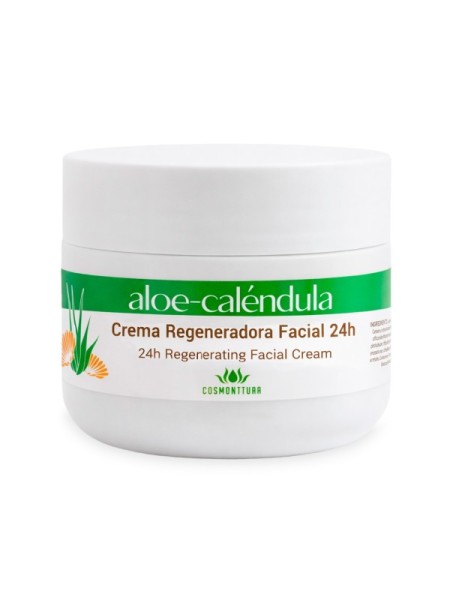
Regenerating Face Cream 24h 100 ml | for daily natural skincare, sensitive skin
A versatile option for everyday use.
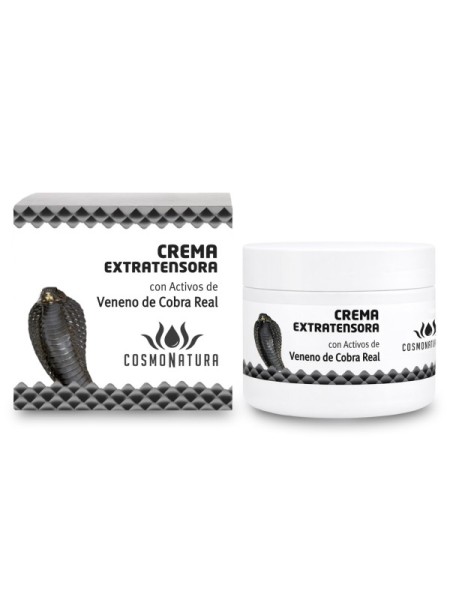
Extra-Firming Cream con activos de Cobra Venom 100 ml | for firming anti-ageing care
Designed for more specific care needs.
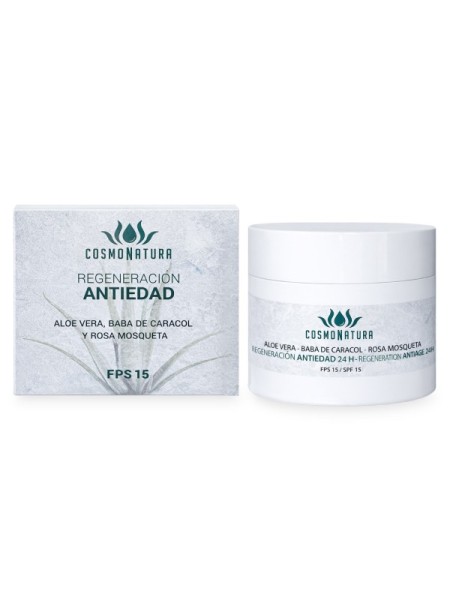
24H Anti-Ageing Cream Aloe-Facecol-Rosehip SPF 15 100 ml | for firming anti-ageing care
A complementary option for a more complete routine.
The final step is balance. This is where botanical extracts and actives come in to refine the look of pores, regulate shine, and maintain a more even texture. It doesn’t always mean using strong products. Sometimes a consistent, gentle routine works better than an aggressive mix of cosmetics.
Natural ingredients that tend to work best
Not all natural ingredients do the same job. Some hydrate, others soothe, and some help keep your complexion from looking overloaded as the day goes on. Choosing wisely avoids half-used purchases down the line.
Aloe vera for weightless hydration
If there’s one ingredient especially useful for oily skin, it’s aloe vera. Its main advantage is hydrating with a fresh, lightweight texture, exactly what many seek when heavy creams feel overwhelming. Plus, it soothes any heat or discomfort that can appear after cleansing.
In a daily routine, aloe vera works well in cleansing gels, serums, and light creams. It doesn’t replace every active on its own, but it does create a comfortable base to keep skin balanced.
Hyaluronic acid in a light texture
Although not always perceived as a “natural” active in everyday language, hyaluronic acid fits perfectly into respectful skincare routines. For oily skin, it helps maintain hydration without adding weight. The result isn’t greasier skin but smoother, more supple skin without tightness.
Texture matters: a lightweight serum usually works better than a dense cream if shine is your main concern.
Calendula and soothing extracts
Some oily skins also show sensitivity or occasional redness. In these cases, combine balancing ingredients with calming ones. Calendula is a great ally because it helps skin feel more comfortable, especially if you’ve overused drying cleansers in the past.
Rosehip oil, with caveats
The rosehip oil can raise concerns for oily skin—and rightly so. Not all complexions tolerate it the same way. For some, a small amount at night works well, especially if you’re looking for repair support. For others, it can feel too rich. There’s no universal rule: it depends on the product’s texture and how your skin reacts.
Products to avoid if your skin produces a lot of sebum
“Natural” doesn’t always mean suitable. Some formulas contain heavy oils, dense butters, or overly nourishing finishes that can feel uncomfortable on oily skin. Not because they’re bad ingredients, but because they might not meet this skin type’s daily needs.
Beware of products promising hours-long matte results at the expense of dryness. They may seem effective short-term, but if your skin ends up tight or dull, that sense of control isn’t worth it.
Another important point is overload. Using too many products at once often complicates the routine. If you mix a strong cleanser, astringent toner, active serum, and an unsuitable cream, your skin can end up more confused than balanced.
Practical morning and evening routine
The key to succeeding with natural products for oily skin isn’t just the ingredient, but how it’s combined in a realistic routine. If you want something easy to maintain, this structure usually works well.
In the morning, start with a gentle cleanse. You don’t need a strong formula if you cleansed well the night before. Then apply a lightweight serum with aloe vera or hyaluronic acid to hydrate without overloading. Finish with a fluid cream if your skin calls for it. If you already use sunscreen, opt for a light texture to avoid heavy layers.
At night, cleansing is more crucial because you need to remove the day’s buildup. Then you can repeat light hydration or introduce a more targeted serum if you want to improve texture or radiance. If your skin tolerates certain cosmetic actives well—like vitamin C or night-renewing formulas—introduce them gradually and observe.
Not all oily skins need the same level of care every day. In summer, they often appreciate more freshness and lightness. In winter, even shiny skin can need extra comfort. Adjusting your routine with the seasons is more helpful than rigid rules.
How to choose wisely according to your oily skin type
Not all oily skin behaves the same. Some people have overall shine and visible pores without any sensitivity. Others have an oily T-zone and reactive or dehydrated cheeks. That’s why it pays to look beyond the label.
If your skin gets very oily but tolerates most products, focus on gel textures, lightweight serums, and refreshing cleansers. If you also notice redness or discomfort, prioritize soothing formulas with aloe vera, calendula, and well-balanced hydration.
For a practical routine, the best rule is this: the product should leave your skin clean, comfortable, and balanced—not tight or greasy. It may seem basic, but it helps you filter choices much better than chasing flashy promises.
Signs a natural product is really working for you
Improvement in oily skin rarely shows up as a dramatic overnight change. Most often you notice small, steady gains: your face feels comfortable longer, shine appears later, texture looks smoother, and you feel less need to “correct” with strong products.
It’s also a good sign if your routine feels pleasant. When a formula feels heavy, irritating, or leaves residue, it usually gets abandoned. In contrast, well-chosen products integrate easily into daily life, and that fosters consistency.
In a specialized store like Aloeveraymas, the real value isn’t just finding natural skincare but choosing textures and actives designed for a specific need. For oily skin, that means freshness, balance, and light hydration with ingredients that work with your skin, not against it.
Sometimes oily skin doesn’t need more control but better choices: less aggression, more balance, and products that work with you, not against your skin.


