

Irritated skin doesn’t always need more products. Often it needs less friction, less fragrance, and a formula that soothes without complicating the routine. In this context, calendula cream for irritated skin has become a highly valued choice for those seeking relief, hydration, and daily care with plant-based ingredients.
Calendula is a regular feature in natural cosmetics for a simple reason: it delivers a comforting sensation much appreciated when skin is sensitive, dry, or red. It’s not a miracle cure nor a replacement for professional assessment if there’s a persistent skin issue, but it can be a great ally when your skin is asking for gentleness and protection.
What a Calendula Cream for Irritated Skin Can Offer
A well-formulated calendula cream typically focuses on three fronts. The first is to calm sensations of tightness or discomfort. The second is to reinforce hydration so the skin doesn’t lose water easily. The third is to help the skin’s surface feel more protected against everyday aggressors like cold, friction, or dry air.
When skin becomes irritated, its barrier is often impaired. That means everyday actions can feel harsher: overly strong cleansers, very hot water, rough fabrics, or sudden temperature changes. In such cases, a calendula cream enriched with emollient and humectant ingredients can make the difference between skin that continues to protest and skin that starts to regain balance.
Not all irritations are the same, and that’s an important nuance. If discomfort arises from dryness, weather exposure, or temporary sensitivity, a soothing cream can be a perfect fit. If there are wounds, infections, severe eczema, or a persistent reaction, it’s wise not to rely solely on a cosmetic product.
Products selected for this guide
Choose the option that best fits your skin and your routine.
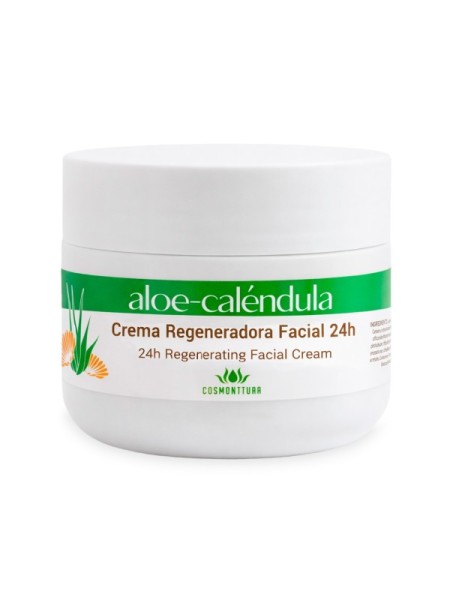
Regenerating Face Cream 24h 100 ml | for daily natural skincare, sensitive skin
A versatile option for everyday use.
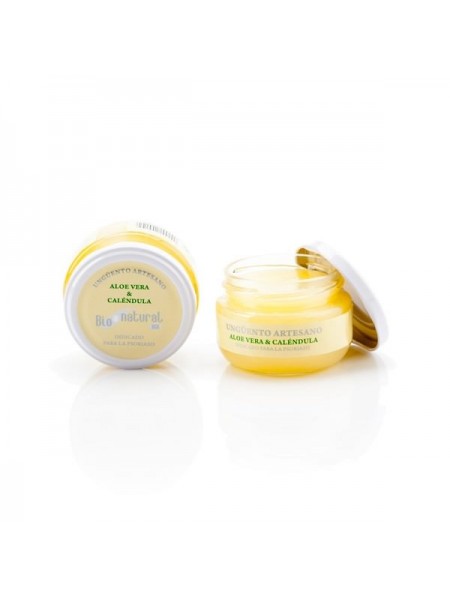
Handmade Aloe Vera and Calendula Balm – Intensive Care for Dry or Sensitive Skin
Designed for more specific care needs.
When to Use Calendula Cream for Irritated Skin
There are times when this type of cream is especially useful. After a shower, for example, the skin can be more vulnerable if the water was very hot or the cleanser too harsh. Applying the cream to clean, dry skin—without rubbing—helps lock in moisture and reduce discomfort.
It also works well in cold, windy, or heated environments, when facial, hand, or body skin tends to suffer more. For those with dry or sensitive skin, having a soothing cream for frequent use isn’t a luxury but part of a sensible routine.
Another common scenario is irritation from friction. It can occur on specific body areas, on hands stressed by frequent washing, or on spots that feel tight after hair removal. In these cases, the key is a gentle formula that doesn’t add ingredients likely to intensify sensitivity.
How Calendula Works in a Skincare Routine
Calendula doesn’t work alone. In cosmetics, its effectiveness depends greatly on the overall formulation. A cream might contain calendula extract, but if it also includes too much fragrance or a texture that doesn’t suit your skin, the experience won’t be the same.
That’s why it’s best to see the product as a whole. Calendula provides that coveted calming profile, but the final result improves when it’s combined with hydrating and regenerating ingredients. In a simple, natural routine, it pairs beautifully with aloe vera, known for its cooling hydration, or with plant oils that help nourish and soften.
In a botanical cosmetics shop like Aloeveraymas, this approach makes sense because it’s not just about a single ingredient but choosing formulas designed for the skin’s specific needs. For irritated skin, that means prioritizing comfort, tolerance, and ease of daily use.
Choosing the Right Texture for the Area and Skin Type
Not all calendula creams feel the same, and texture matters more than you might think. For the face, many prefer a medium-absorption cream that soothes without leaving a heavy film. If the skin is very dry, a richer texture can be more comfortable, especially at night or in winter.
On the body—especially elbows, legs, hands, or rough patches—a more nourishing cream often works better. Body skin usually needs greater emollient power than facial skin. On dry or frequently washed hands, a denser texture can provide longer-lasting protection.
If your skin is sensitive but combination or prone to congestion, avoid thinking that denser always means better. Sometimes a lightweight yet balanced formula soothes more effectively because it’s tolerated and used consistently.
What to Look for Before Buying
The first clue is formula simplicity. When skin is irritated, less is often more. Look for a cream with a gentle profile focused on soothing and hydrating, not on adding unnecessary stimuli.
Also check whether the formula is designed for sensitive or dry skin and if it combines calendula with other comfort-boosting ingredients like aloe vera or select plant oils. It’s not about loading up on actives but creating a stable, pleasant care routine.
Pay attention to fragrance. Some tolerate a mild scent well, but when skin is compromised, discreet formulations are a safer choice. The same goes for exfoliants or overly active ingredients: they’re not the best companions for skin that needs a break.
How to Apply for Best Results
Application method greatly influences results. The cream should be applied to clean skin using gentle strokes without dragging. If the area is very sensitive, it’s even better to spread it with light tapping.
Consistency matters more than quantity. One generous application won’t make up for an inconsistent routine. For skin irritated by dryness, it often works best to use the cream once or twice daily for several days in a row, especially after cleansing.
If irritation appears on the face, review the rest of your routine. It makes little sense to use a soothing cream and at the same time apply harsh cleansers, frequent exfoliants, or very hot water. The cream helps, but your skincare environment must support it.
What It Can Do and What You Shouldn’t Expect
A well-chosen calendula cream can bring relief, softness, and a visible improvement in skin appearance when the issue is related to sensitivity, dryness, or mild irritation. It can reduce tightness, improve comfort, and help skin look less dull or damaged.
What you shouldn’t expect is for it to resolve every skin condition on its own. If there’s intense itching, significant flaking, cracks, recurrent outbreaks, or worsening reactions, you need to go beyond cosmetic care. Cosmetics support, protect, and enhance skin comfort, but they don’t replace a proper diagnosis when something’s wrong.
That balance between realistic expectations and good daily care is precisely what makes a soothing cream truly useful. It doesn’t promise too much but responds well when used in the right context.
How to Integrate Calendula into a Simple Routine
If you’re after a practical routine, there’s no need to complicate things. A mild cleanser, a calendula cream for irritated skin, and, depending on the time of day, a complementary product to maintain hydration are often enough. For many skin types, simplifying is already a form of relief.
On the body, the logic is similar. After showering, with skin dry but still slightly damp, applying a soothing cream helps prevent that tight feeling that comes back shortly after. On hands, reapplying after frequent washes can make a big difference.
The key is listening to your skin and adjusting. Some days a light application will do, and on others you may need a richer texture or more frequent use. Caring for sensitive skin isn’t about following rigid rules but responding gently to what it needs at each moment.
When a cream brings calm from the first application and comfort with continued use, it earns a permanent place in your routine. And for irritated skin, that’s already a lot: less discomfort, more comfort, and a real sense of daily care.


