

Some skins can tolerate almost anything, while others flush red at the mere change of cleanser. If yours reacts easily, choosing a natural facial toner for sensitive skin is no minor step in your routine. It can make the difference between an immediate sense of relief and that uncomfortable tightness a few minutes after washing your face.
For years, toner has been seen as a secondary, almost dispensable product. But for sensitive skin, when well formulated, it serves a very specific purpose: comforting the skin after cleansing, providing light hydration, and preparing the face to better receive subsequent treatments. The issue isn’t the toner itself, but choosing one with overly harsh ingredients, drying alcohols, or strong fragrances.
What a natural facial toner for sensitive skin should provide
Sensitive skin tends to ask for few things, but very well chosen. It needs gentle formulas, no burning sensation, and active ingredients that help keep the skin barrier balanced. That’s why a good toner shouldn’t leave the skin feeling tight or “too clean,” a sensation that usually indicates dehydration.
The most useful toner will offer calm, hydration, and freshness. Botanical ingredients like aloe vera, calendula, or well-balanced rose water can help soothe the skin and reduce discomfort. Aloe vera in particular fits perfectly in this kind of care because it hydrates without heaviness and leaves a pleasant sensation even on easily irritated skin.
It’s also advisable to have a lightweight, watery texture that’s easy to apply with your hands or a soft cotton pad without rubbing. For sensitive skin, less friction usually means more comfort.
Products selected for this guide
Choose the option that best fits your skin and your routine.
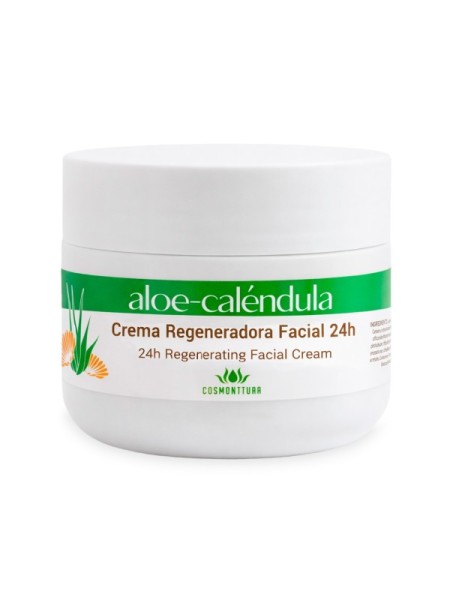
Regenerating Face Cream 24h 100 ml | for daily natural skincare, sensitive skin
A versatile option for everyday use.
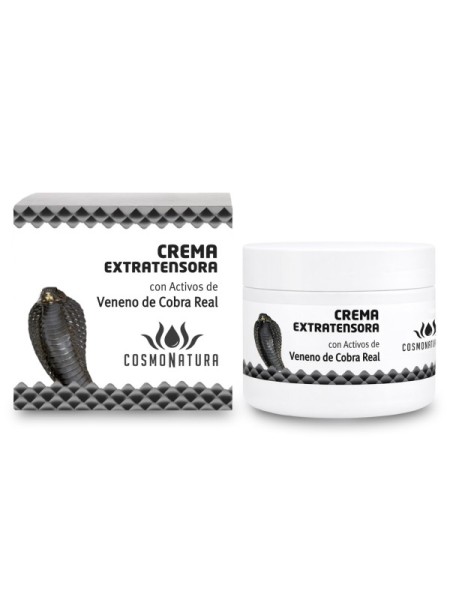
Extra-Firming Cream con activos de Cobra Venom 100 ml | for firming anti-ageing care
Designed for more specific care needs.
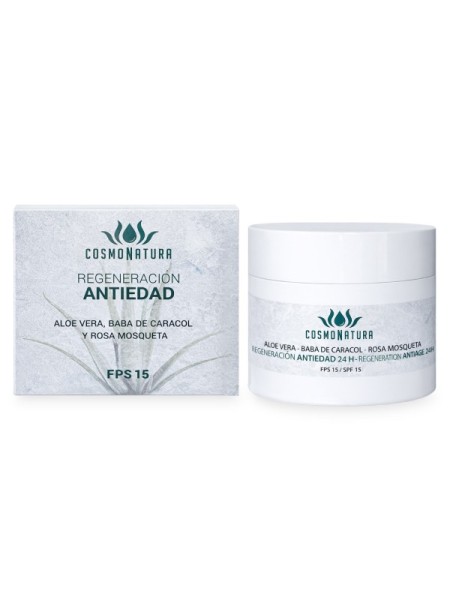
24H Anti-Ageing Cream Aloe-Facecol-Rosehip SPF 15 100 ml | for firming anti-ageing care
A complementary option for a more complete routine.
Ingredients that typically work well
Not all natural formulas are automatically gentle, but there are ingredients that usually deliver good results when properly combined. Aloe vera stands out for its ability to refresh and hydrate. Calendula is associated with comforting care for delicate skin, and rose can bring a very pleasant freshness when it’s not accompanied by overpowering fragrances.
Vegetable glycerin is also a great ally because it helps retain moisture in the skin. If the toner includes simple calming and humectant botanical extracts, it usually fits better into daily routines. Conversely, when the formula is filled with highly aromatic essential oils or powerful exfoliating actives, the experience can change significantly.
Here’s an important nuance: natural doesn’t mean suitable for everyone. Some sensitive skins tolerate certain plant extracts perfectly, while others do not. That’s why it’s worth observing how your skin responds over several days, especially if it tends to react to new products.
What to avoid if your skin irritates easily
If after applying toner you feel itching, warmth, or redness, there’s no need to wait weeks for conclusions. Sensitive skin usually alerts you quickly. Among the least recommended ingredients for this skin type are high proportions of denatured alcohol, intense fragrances, and some strong exfoliants used daily.
An astringent toner with a marked effect is also seldom the best option if your skin is sensitive and also dry or reactive. Sometimes the sought-after freshness ends up making the skin more vulnerable. The result can be a face that looks clean but feels tighter and less comfortable.
If your skin also has dry patches, flaking, or a weakened barrier sensation, it’s best to prioritize soothing toners over “purifying” ones. And if you have breakouts, blemishes, or combination sensitivity with oiliness, balance becomes even more important: you need freshness, yes, but without stressing the skin.
How to use toner without worsening sensitivity
Application matters almost as much as the formula. A simple gesture can become harsh if done in a hurry or with too much friction. The ideal is to use toner right after cleansing, on a clean, dry, or slightly damp face.
If your skin is very sensitive, it usually works better to put a small amount in your hands and gently press onto the face. That way you avoid dragging cotton and reduce rubbing. If you prefer using a pad, choose a soft one and swipe without pressing, just as needed.
Afterwards, the most recommended step is to follow with a serum or a cream suited to your skin type. Toner doesn’t replace moisturization, but it does help your skin feel more comfortable before the next step. In simple routines, it can become that product that refreshes, soothes, and improves the overall feel of your skin without complicating things.
Natural facial toner for sensitive skin in a daily routine
In a basic routine, toner should add value, not compensate for over-cleansing or aggressive formulas. If you use a gentle cleansing milk or a respectful cleanser, toner can complete care with an extra touch of light hydration and comfort.
In the morning, it helps awaken the skin and prepare it for your day cream. At night, after removing impurities, makeup, or sunscreen, it provides a soothing sensation that many skins especially appreciate. If you then follow with a regenerating cream or a moisturizer with botanical ingredients, the overall routine feels more coherent and pleasant.
On very reactive skin, sometimes a short routine works better than a long one. A gentle cleanser, soothing toner, and nourishing cream can be enough. Adding too many products doesn’t always improve results. In fact, for sensitive skin, simplifying often helps identify what works well and what doesn’t.
How to know if you’ve found the right toner
The clearest sign is not that it “feels intense,” but quite the opposite. A good toner for sensitive skin accompanies without bothering. The skin feels fresh, comfortable, and more supple. It shouldn’t cause itching, new redness, or that papery tight feeling.
With continued use, you may also notice that your skin tolerates the rest of your routine better and that post-cleansing tightness decreases. That’s a good indicator the product is helping maintain balance. If, on the contrary, discomfort recurs, it’s worth reviewing the formula and frequency of use.
Timing also affects sensitivity. In periods of cold weather, stress, hormonal changes, or sun exposure, sensitivity can increase. A toner you normally tolerate may prove insufficient, or conversely, a slightly stronger one may start to irritate. Paying attention to these variations is part of realistic skin care.
What product profile tends to fit best
For most sensitive skins, a calming and hydrating toner usually works best, highlighting aloe vera as a key ingredient and supported by gentle extracts like calendula or rose. If the formula is designed for daily use and integrates well with nourishing or regenerating face creams, maintaining a consistent routine becomes easier.
That approach is especially suitable for those seeking uncomplicated natural cosmetics, with recognizable ingredients and pleasant sensations. It’s not about pursuing the perfect formula on paper, but one your skin accepts well every day. In a specialized store like Aloeveraymas, this focus makes sense because botanical care is designed from the perspective of skin comfort, not from eye-catching effects that don’t always deliver.
Choosing the right toner is ultimately a very practical way to treat your skin gently. If yours demands calm, hydration, and freshness, it deserves a formula that does just that—without excess and without complicated promises. Sometimes the best change in your routine is the one that stops your skin from complaining.


