

If you’ve ever applied aloe vera and felt an instant freshness on your skin but weren’t sure you were doing it right, that’s the key. Knowing how to use pure aloe vera on your face isn’t just about spreading it on and waiting for results. The application method, your skin type, and how often you use it make a real difference—especially if you’re looking for hydration, relief, and a natural facial routine that doesn’t complicate your day.
How to Use Pure Aloe Vera on Your Face Based on Your Skin Type
The pure aloe vera gel is one of those ingredients that fits perfectly into simple routines. It helps refresh, soften, and keep skin comfortable, especially when you notice tightness, slight redness, or lack of moisture. Still, not every skin type responds the same way, and it’s not always best to use it the same way.
On dry skin, aloe vera works best as a soothing, hydrating step—but it should rarely stand alone. It can provide immediate relief, though it’s wise to lock in that moisture with a facial cream afterward to prevent any nutritional deficit. For combination or oily skin, on the other hand, its lightweight texture usually fits in great, especially in the morning or during warmer months.
If your skin is sensitive, a more cautious approach is best. Pure aloe vera can feel pleasant and comforting, but purity doesn’t guarantee absolute tolerance. The safest recommendation is to do a patch test on a discreet area before applying it to your entire face.
What “Pure Aloe Vera” Really Means
When we refer to pure aloe vera in cosmetics, we usually mean a gel with a high aloe concentration and as clean a formula as possible. That doesn’t mean taking a fresh leaf and applying it directly. Unstabilized natural aloe can oxidize, become contaminated, or irritate if not properly processed.
Products selected for this guide
Choose the option that best fits your skin and your routine.
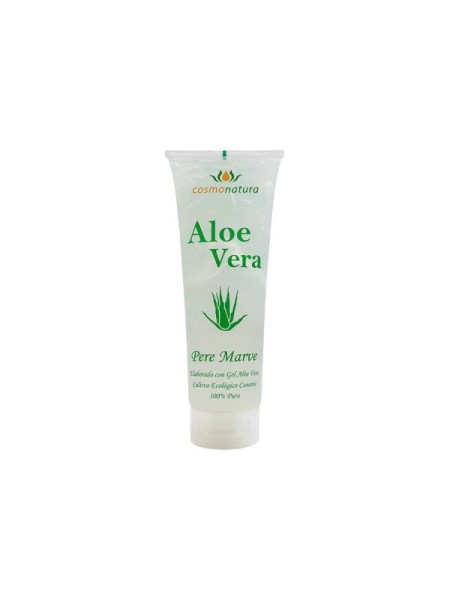
Pere Marve Aloe Vera Gel 100% organic Canarian cultivation 250 ml | for cooling face and body hydration
A versatile option for everyday use.
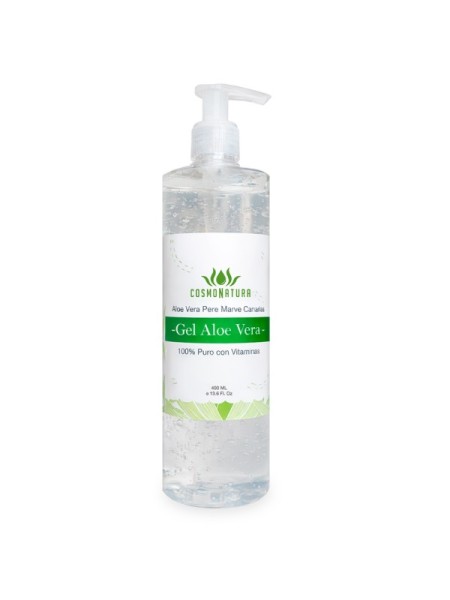
Aloe Vera Gel 100% organic con Vitamin A y E 400 ml | for cooling face and body hydration
Designed for more specific care needs.
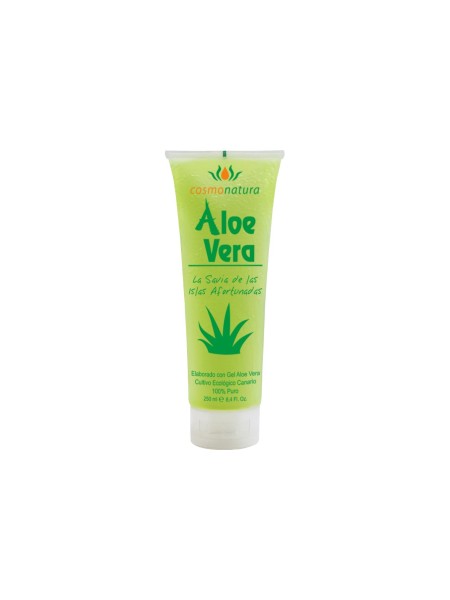
BIOGEL Green Aloe Vera Gel 99.5% 250ml | Soothing care for daily skincare
A complementary option for a more complete routine.
For daily facial care, it’s more practical and safer to use a pure aloe vera gel formulated for cosmetic use. This ensures a uniform texture, proper preservation, and a much more convenient application. Plus, you can integrate it into your routine without improvising.
Step-by-Step Guide to Applying Pure Aloe Vera on Your Face
The most effective way to use it is simple. First, cleanse your face with a gentle product to remove oil, makeup, or dirt. On clean, dry skin, apply a small amount of pure aloe vera gel with your fingertips, avoiding vigorous rubbing. Spread it with gentle strokes until you have a thin, even layer.
Then let it absorb for one to two minutes. If your skin leans dry, follow up with your usual facial cream. If your skin is combination or oily and you prefer a lighter feel, aloe vera alone may be enough at certain times of the day, though this depends on the season, your skin’s condition, and how dehydrated it is.
The most common mistake is using too much product. A thick layer doesn’t always improve results. In fact, it can leave a sticky feel or create residue as it dries. On the face, less often works better.
When to Use It
In the morning, pure aloe vera adds a refreshing boost and helps skin feel comfortable before your cream or sunscreen. At night, it can be a soothing step after cleansing, especially if your skin feels fatigued, sun-exposed, or sensitized by the weather.
It also works well after a gentle exfoliation or when your skin needs a break. It doesn’t replace all your products, but it can be a very handy daily boost.
How Often to Use It
Generally, you can use it once or twice a day if your skin tolerates it well. If it’s your first time, start three to four days a week and observe how your skin responds. Natural skincare also requires adaptation. Skin doesn’t always welcome sudden changes, even if the ingredient is known for its soothing effect.
Benefits of Pure Aloe Vera on the Face
Its main strength is immediate relief. When skin feels disturbed by heat, dry air, or an overly intense routine, aloe vera delivers comfort almost instantly. It also helps maintain surface hydration and leaves a light feel that many people prefer over heavier textures.
Another advantage is its versatility. It can be part of a short routine or accompany other treatments like serums, eye creams, or regenerative moisturizers. In a specialized shop like Aloeveraymas, this is well understood, as aloe isn’t treated as a standalone product but as a central ingredient that can coexist with calendula, rosehip, or other botanical actives according to each skin’s needs.
That said, it’s important to have realistic expectations. Pure aloe vera hydrates, soothes, and refreshes, but it won’t replace a complete routine if you’re targeting severe dryness, pronounced signs of aging, or stubborn spots. In those cases, it works best as a base or complement.
How to Use Pure Aloe Vera on Your Face for Targeted Relief
You don’t always need to apply it over your entire face. Sometimes it’s more useful to use it locally—on tight areas, around dry patches, or on parts of your face that tend to redden easily after cleansing.
It can also be used as a short mask. Apply a thin layer, leave it on for 10–15 minutes, and remove any excess if needed. This option is great when skin feels tired or overheated, without adding many extra steps to your routine.
Around the eye area, proceed with caution. Although aloe can feel refreshing, that zone needs formulas specifically designed for delicate tolerance. If you want to address puffiness, dryness, or fatigue, it’s usually safer to opt for a product made for that area.
Things to Avoid
Using pure aloe vera on your face has its benefits, but there are limits. Don’t apply it to visibly damaged skin without professional guidance, and avoid mixing it randomly with strong exfoliants, acids, or retinoids if your skin is already sensitized. Combining soothing ingredients with potent actives doesn’t always result in balance.
It’s also not wise to assume that because it’s natural, you can use it without limits. If you experience itching, stinging, or increased redness, remove it and discontinue use. Effective skincare should also be comfortable.
How to Combine It with the Rest of Your Routine
Pure aloe vera usually works well after cleansing and before your cream. If you use a toner, apply it first. If you add a serum, placement depends on texture and goal: in many routines, the serum goes before aloe for an extra freshness boost, while in others aloe serves as a light first layer to calm skin. There isn’t a single correct order—it depends on your skin’s needs and how the layers interact.
During the day, there’s one step you shouldn’t skip: sunscreen. Aloe vera doesn’t replace sun protection, even if you use it for its soothing effect after sun exposure. Well-cared-for skin needs comfort, yes, but also protection.
Who Is It Best Suited For?
It’s especially suited for those seeking a natural, simple, and enjoyable routine. If you dislike heavy formulas, if your skin dehydrates easily, or if you need a soothing gesture you can repeat often, pure aloe vera makes a lot of sense.
It’s also an interesting option for mature skin when combined with richer creams, and for sensitive skin as long as you’ve confirmed tolerance. Not everyone needs ten products. Sometimes a well-chosen botanical base, used consistently, provides more balance than a long, ever-changing routine.
The best way to get it right is to listen to your skin without expecting miracles. If pure aloe vera brings you freshness, relief, and comfortable hydration, it’s already playing a valuable role in your daily care. Use it wisely, pair it with complementary products, and let your routine work for you, not against you.


