

A mask can give your skin that extra boost of comfort a daily cream doesn’t always achieve, but only when used at the right time with a formula that suits you. Knowing how to apply a hydrating mask makes the difference between washing it off to reveal supple, radiant skin or feeling the product stay superficial, heavy, or even uncomfortable.
There’s no need to turn it into an elaborate ritual. With well-prepped skin, a reasonable amount of product and a few minutes’ pause, the mask becomes a highly effective care step for dry, sensitive or mature skin—especially when it feels tight, lacks smoothness or looks dull.
Before applying the mask: prep your skin
A hydrating mask doesn’t replace cleansing. If you apply it over makeup residue, sunscreen, sebum or pollution, its moisturizing ingredients will struggle to work evenly. Start by removing any makeup and cleansing your face with a gentle product that won’t leave your skin feeling tight.
Then gently pat your skin dry with a clean towel. You don’t need to leave it completely dry if the formula allows application on slightly damp skin, but avoid applying it on a wet face. Excess water can cause the product to slide, dilute and spread unevenly.
This is also the time to assess your skin’s condition. If it’s extra sensitive after cold weather, sun exposure or long hours in heating or air conditioning, choose simple, soothing formulas. Aloe vera, calendula and hyaluronic acid are excellent allies when you want comfortable hydration, a refreshing feel and a more rested-looking complexion.
Products selected for this guide
Choose the option that best fits your skin and your routine.
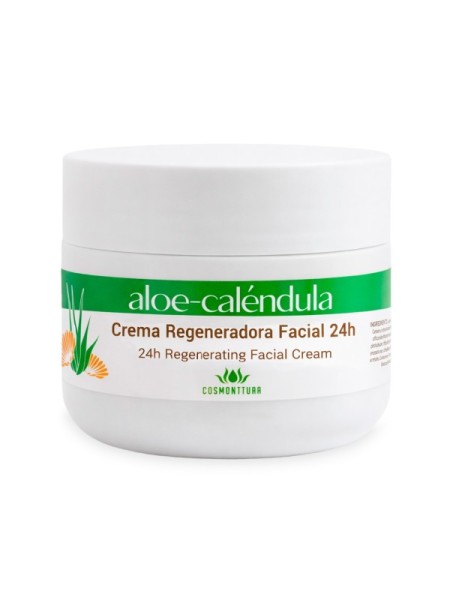
Regenerating Face Cream 24h 100 ml | for daily natural skincare, sensitive skin
A versatile option for everyday use.
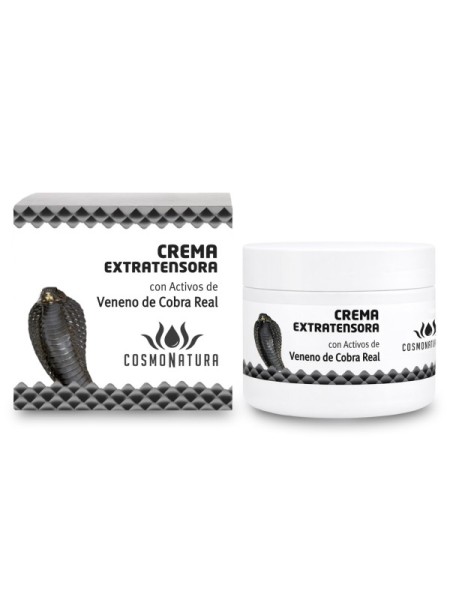
Extra-Firming Cream con activos de Cobra Venom 100 ml | for firming anti-ageing care
Designed for more specific care needs.
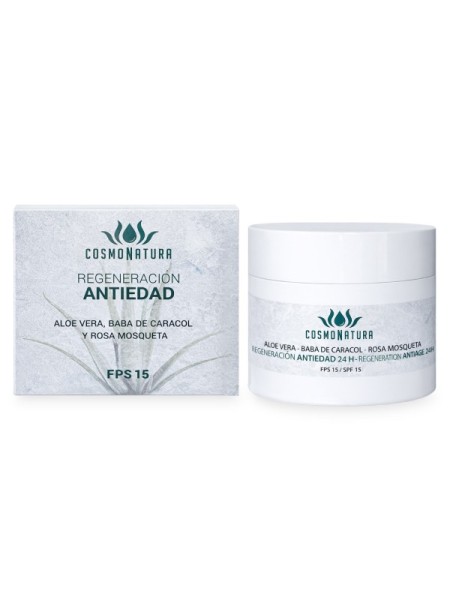
24H Anti-Ageing Cream Aloe-Facecol-Rosehip SPF 15 100 ml | for firming anti-ageing care
A complementary option for a more complete routine.
Step-by-step guide to applying a hydrating mask
Apply an even layer, not a thick one
Use the amount indicated on the packaging or, as a reference, enough to cover your face in a thin, uniform film. Spread it with clean fingers from the center outwards: cheeks, forehead, nose and chin. There’s no need for the product to look opaque or build up in specific areas.
A too-generous layer doesn’t hydrate more—it usually just takes longer to remove and increases feelings of warmth or heaviness. An even layer helps active ingredients distribute better and makes the experience more pleasant.
Avoid the eye area and lips unless the mask specifically states it’s suitable for those zones. The skin around the eyes is thinner and usually benefits from formulas designed especially for it, such as a specific hydrating eye cream.
Respect the recommended exposure time
Leave it on for the time recommended by the brand. Many hydrating masks work in 10–15 minutes, though a sleeping mask is designed to stay on overnight.
Longer isn’t always better. If a rinse-off mask dries completely, it can feel less comfortable—especially on skin prone to dryness. Use those minutes to relax, but avoid sleeping with a mask that isn’t formulated for overnight use.
Remove or massage off depending on the format
Rinse-off masks come off with lukewarm water and gentle movements. You can use a muslin cloth or a soft facial towel without rubbing. The goal is to remove excess product without tugging or irritating the skin.
If you’re using a leave-on cream mask or an overnight mask, massage in any remaining product until fully absorbed. When the formula leaves a light protective film, there’s no need to remove it entirely: that layer helps the skin maintain longer-lasting hydration.
After a rinse-off mask, follow with your facial cream. After an overnight mask, you usually don’t need anything else unless your skin is very dry and the product recommends sealing with a richer cream.
Choose your mask based on what your skin needs today
Not all skin types need the same texture or ingredients. The choice depends both on your skin type and its current condition. Combination skin may need hydration on the cheeks without a heavy feel in the T-zone. Mature skin, on the other hand, often appreciates richer textures that add comfort and help the face look more elastic.
For dry skin, look for masks with aloe vera, hyaluronic acid, rosehip oil and nourishing agents that reduce tightness. If your skin is sensitive, opt for gentle formulas with aloe vera or calendula and avoid introducing too many new products at once.
If your main concern is lack of radiance, pair a hydrating mask with a morning vitamin C routine—provided your skin tolerates it well. When you already use retinal at night, a hydrating mask is a great way to counter dryness on alternate days. In that case, it’s best not to introduce both products on the same night so you can better gauge your skin’s response.
How often should you use it?
For most skin types, once or twice a week is a practical frequency. If your skin is very dehydrated due to temperature changes, travel or an active routine, you can use a gentle hydrating mask more often—but always follow the product’s instructions.
Light overnight masks adapt well to two or three nights a week. Richer formulas are best reserved for when your skin feels especially dry. The key isn’t layering every product but maintaining a routine you can repeat: gentle cleansing, serum if needed, mask when due, and cream to lock in hydration.
Common mistakes that can detract from comfort
The most frequent mistake is applying it on unclean skin. It’s also common to use too much product or mix it with several potent actives in the same routine. If you’ve used an exfoliant, strong vitamin C or retinal that day and your skin feels sensitive, choose a simple, soothing mask on a different night.
Another error is ignoring texture. A very dense mask can be excellent on dry cheeks but too heavy for oily areas. In that case, apply it only where needed—a useful technique for treating dehydrated patches without overloading the entire face.
Finally, don’t skip a patch test when introducing a new formula, especially if your skin reacts easily. Natural care still requires observation: a plant-based ingredient doesn’t guarantee every skin will respond the same way.
Integrate the mask into a routine you’ll stick to
A good hydrating mask works best as part of a simple routine, not as a standalone solution. After cleansing, a hyaluronic acid serum can deliver light hydration; the mask adds comfort once or twice a week; and a suitable cream helps preserve that feeling longer.
At Aloeveraymas, our formulas with aloe vera, calendula, rosehip and hydrating actives are designed to complement this kind of care without complicating your routine. Choose the texture you enjoy and see how your skin feels the next day: soft, comfortable and never overloaded is far more telling than rigid rules.
Spending ten minutes on your skin doesn’t have to be an exceptional act. When you choose a mask that meets your skin’s needs and apply it without excess, that little pause can become one of the week’s most rewarding steps.


