
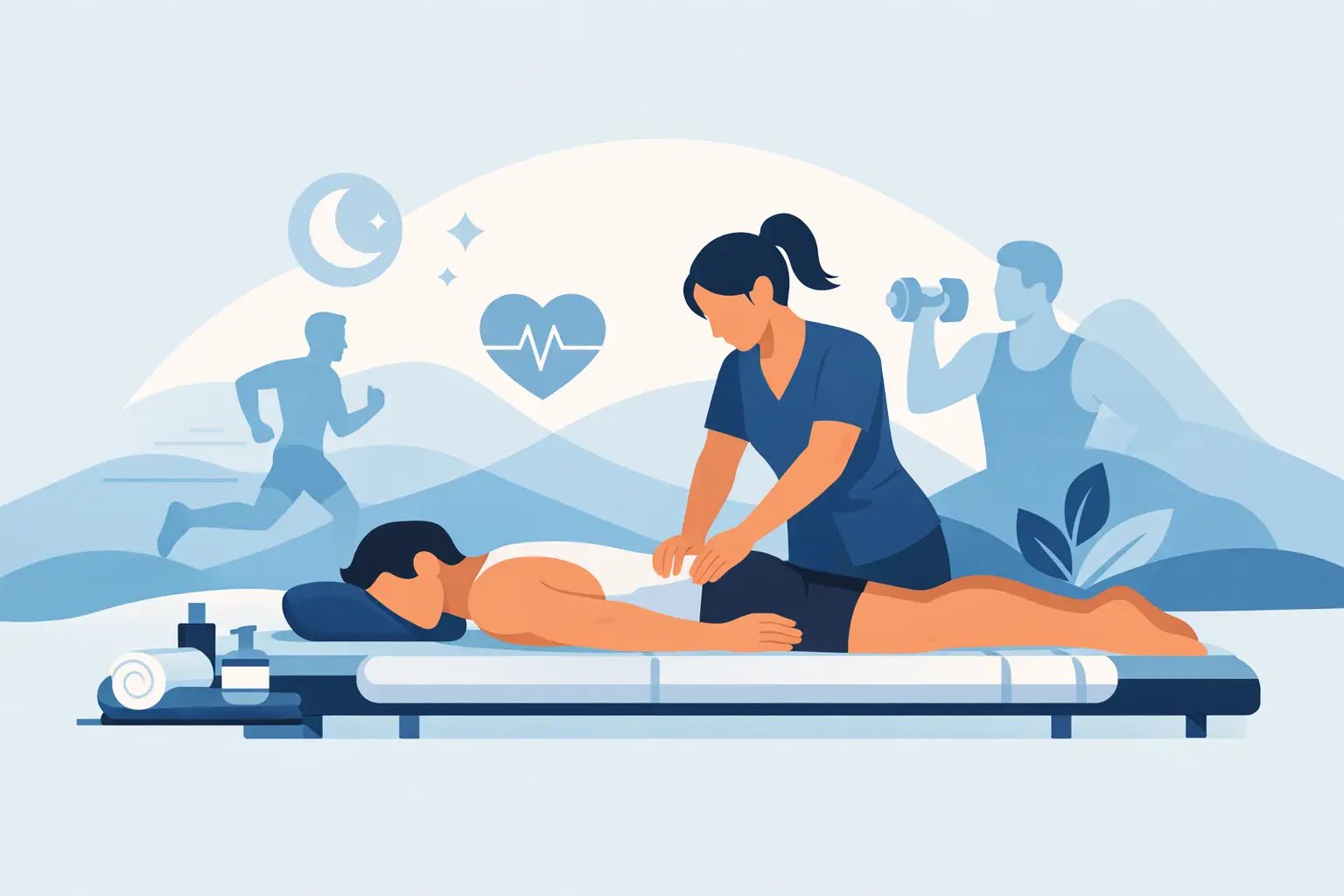
Heavy legs after a long walk, tight shoulders post-workout, or that feeling of stiffness at the end of the day don’t always call for more intensity. Sometimes they need a pause, well-applied pressure, and the right support product. Sports massage is a simple practice that can help relax your muscles, provide a sense of relief, and make recovery a realistic part of your routine.
It’s not reserved for professional athletes. It can be beneficial if you exercise several times a week, spend long hours standing, work at a desk, or simply feel built-up tension. The key is to tailor the type of massage, timing, and body gel to what your body needs that day.
What Sports Massage Is and What It’s For
Sports massage involves applying maneuvers to muscle areas that have been worked hard or have accumulated tension. It can be performed before an activity, afterward, or between sessions, but the pressure and purpose vary each time.
Before training, the goal is to wake up the area with quicker, lighter movements. Afterward, the focus is usually slower, with broad strokes that support the cooldown. On rest days, a more leisurely massage can be a wellness gesture for your legs, back, neck, or arms.
It’s not about pressing so hard it hurts. Excessive pressure can be uncomfortable and actually cause more tension. A good massage should leave you feeling relieved, comfortably mobile, and rested—not in persistent pain.
Products selected for this guide
Choose the option that best fits your skin and your routine.
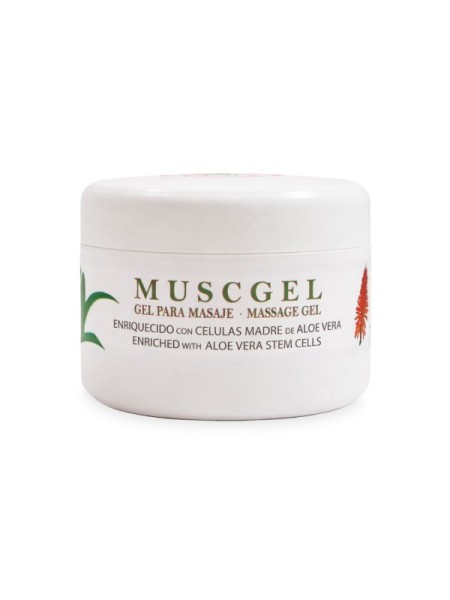
Aloe Vera Muscle Gel 200 ml | Cooling Sports Massage Gel for Tired Muscles
A versatile option for everyday use.
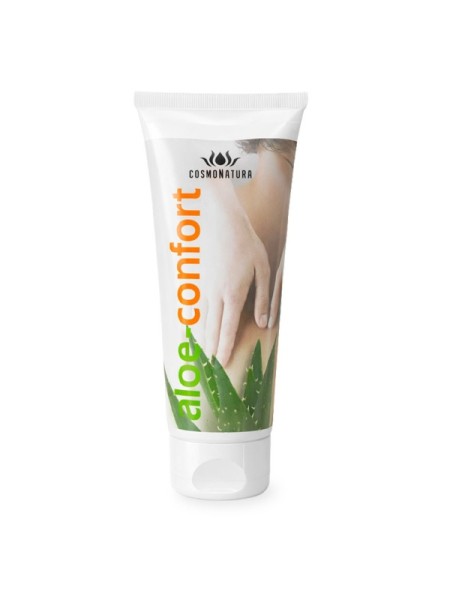
ALOE CONFORT Muscle Cream Gel 250 ml | Arnica, Menthol and Harpagophytum Massage Gel
Designed for more specific care needs.
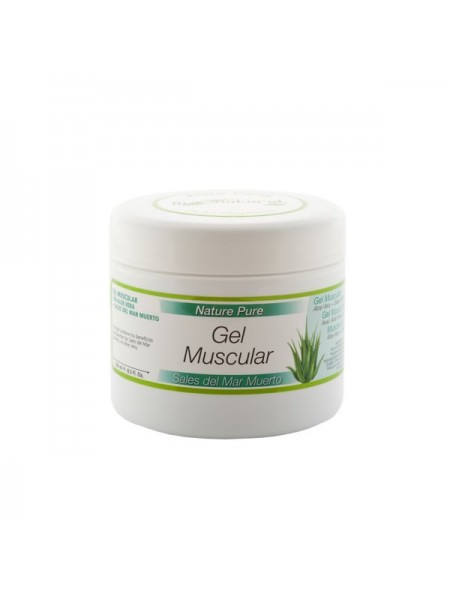
Muscle Massage Gel 500 ml with Aloe Vera, Dead Sea Salts, Arnica and Menthol
A complementary option for a more complete routine.
For many active people, this habit also offers something practical: it helps you tune into your body. Massaging an area makes it easier to notice where tension is building and when it’s time to slow down, stretch lightly, or rest.
When to Use a Sports Massage
The best time depends on how you feel and the activity you plan to do. If you’re about to train, set aside just a few minutes and avoid deep techniques. Use upward, agile, and moderate movements on your legs, arms, or the area you’ll be working. The aim is to prepare, not fatigue.
After exercise, wait a few minutes to catch your breath and lower your heart rate. A warm shower and a massage with a cooling-effect gel can complement this moment perfectly. Legs in particular often appreciate strokes from the ankles up to the thighs, using open palms and a unhurried pace.
On non-training days, the massage can be slower. It’s a good option if you notice heavy calves, a tight back after long hours at the computer, or tense shoulders. There’s no need for a long session: five to ten well-targeted minutes can be enough to create a sustainable routine.
If there’s intense discomfort, visible inflammation, a recent injury, or pain that doesn’t improve, avoid working directly on the area and seek professional advice. Self-care has its limits, and respecting them is part of proper recovery.
How to Give a Sports Massage at Home
For a comfortable massage, you need relaxed hands, a stable posture, and a product that facilitates smooth gliding. Massage gels are especially practical because they spread easily, rarely leave a heavy greasy feel, and allow you to cover large areas without using too much product.
Start by warming a small amount of product between your hands. Apply it with long, gentle strokes for one or two minutes. This first contact prepares the skin and prevents too much pressure at the beginning.
Next, adapt the movements to the specific area:
- On legs and calves, make upward strokes from the ankle toward the knee and thigh. Alternate using your palm with gentle thumb pressure along the sides of the muscle.
- On thighs and glutes, use wide circular movements. Keep a slow pace, without focusing too long on a single point.
- On shoulders and the upper back, massage with the opposite hand from the neck toward the shoulder. If you can’t reach a spot, do not force your posture.
- On arms and forearms, glide your hands from the wrist to the elbow and shoulder, especially if you’ve done strength exercises or repetitive motions.
Always finish with broad, light strokes. This final touch helps ensure a sense of calm rather than overstimulation. Afterwards, drink water, put on comfortable clothes, and avoid jumping straight into strenuous activity.
How Much Pressure to Use
The ideal pressure is what you can clearly feel without holding your breath or tensing up. On large areas like the thighs or back, you can use your palm or the heel of your hand. For specific points, use your thumbs gradually, without digging in.
If the area is more sensitive than usual the next day, the massage was probably too intense. Reduce the pressure and duration next time. With body massage, more isn’t always better.
Ingredients that Support Muscle Recovery
Choosing the right gel is important because it turns the massage into a more comfortable and pleasant experience. In a body routine focused on relief, botanical and sensory ingredients can make all the difference.
Aloe vera provides a light texture and a hydrating feel that’s especially pleasant after a shower or workout. It’s a great base for massage without leaving the skin feeling tight—useful if you’re prone to dryness or looking for daily body care.
Arnica is one of the best-known ingredients in massage products for post-exercise use. It is commonly used in body formulas aimed at muscle rest and comfort.
Menthol provides an immediate cooling sensation, highly valued when legs feel tired or the body is overheated after activity. Its sensory effect doesn’t replace rest but can make the massage moment more comforting.
Ginger and devil’s claw (harpagophytum) are often included in body gels aimed at tense areas. They work well in massage formulas, especially when you’re looking for a practical at-home option after exercise or a long day.
If you have sensitive skin, always check the formula and test a small amount first. A product with cooling actives can feel too intense for some, especially right after hair removal or on irritated skin.
Common Mistakes That Reduce Massage Effectiveness
The first mistake is using massage as a punishment after training. If an area is very tight, the usual reaction is to press too hard. However, it’s better to start gently and observe how the body responds. Consistency and simple technique often achieve more than an aggressive session now and then.
It’s also common to apply too little product. When there isn’t enough glide, your hands drag the skin and the massage loses its comfort. You don’t need a thick layer, but you do need enough to allow smooth movements.
Another error is neglecting basic recovery. A massage gel can complement your routine well, but it works best alongside rest, hydration, a balanced diet, and a gradual return to activity. If you train frequently, dedicate as much time to recovery as you do to packing your gym bag.
Finally, don’t copy someone else’s routine without considering your own needs. Someone who runs several days a week may prioritize calves and thighs; someone who works from home might focus more on shoulders, neck, and forearms. The most useful sports massage is one that fits your life and you can stick with.
A Quick Post-Workout Routine
After finishing your activity, spend two minutes walking slowly or stretching gently. After your shower, apply a body gel with aloe vera and actives like arnica or menthol to the areas you feel worked. Massage for five to ten minutes, starting with long strokes and ending with lighter movements.
At Aloeveraymas, our body gels designed for massage and muscle comfort can easily fit into this daily ritual without complicating an already demanding routine. Choose a texture you enjoy and a sensory effect you’ll actually want to use.
Listening to your body doesn’t require elaborate rituals: a little time, calm hands, and well-chosen body care can bring rest much closer.


