

When your skin looks redder than usual, the urge is to layer on multiple products to correct it as quickly as possible. However, to soothe facial redness, the opposite approach often works better: reduce stimuli, provide hydration and stick to a short routine for a few days. Sensitive skin appreciates consistent care, not sudden changes.
Redness can appear after cleansing, with temperature changes, after exercise, from towel friction or from combining too many actives. They don’t always signal that you need a stronger routine. Often they indicate your skin needs more comfort and less stress.
Why facial redness occurs
The skin barrier is the layer that helps retain moisture and protect the skin from external factors. When it’s dehydrated or exposed to friction, very hot water, harsh cleansers or intolerant cosmetics, it can feel tight and appear more flushed.
The pace of your routine also matters. Introducing a vitamin C serum, a retinal product, an exfoliant and a new cream all at once makes it hard to know what agrees with your skin. Even proven ingredients can be too much if overused or applied when skin is already reactive.
Cold, wind and heating dry the skin; heat, exercise or a hot shower can temporarily intensify cheek redness. In these cases, you don’t need to eliminate all products but choose formulas that hydrate and soothe.
Products selected for this guide
Choose the option that best fits your skin and your routine.
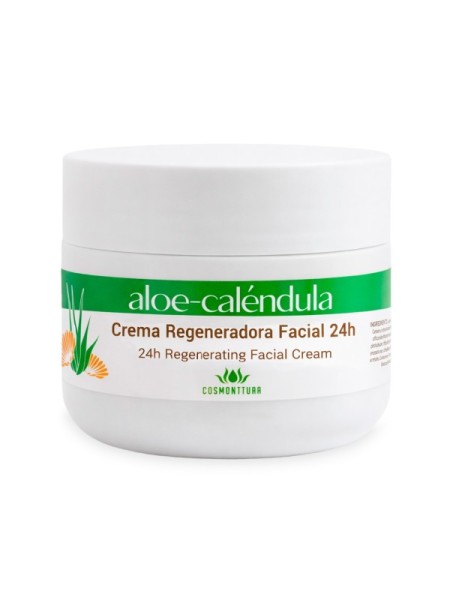
Regenerating Face Cream 24h 100 ml | for daily natural skincare, sensitive skin
A versatile option for everyday use.
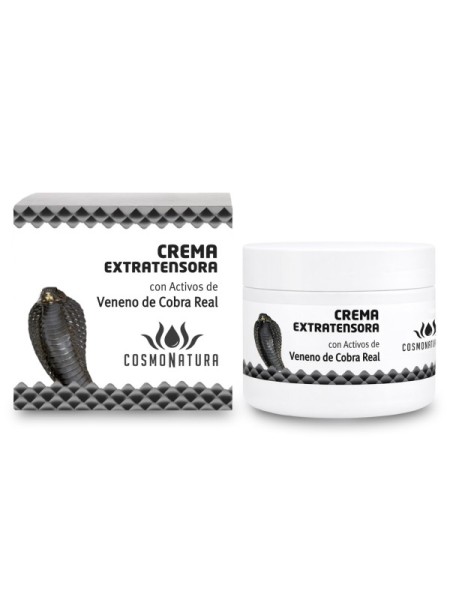
Extra-Firming Cream con activos de Cobra Venom 100 ml | for firming anti-ageing care
Designed for more specific care needs.
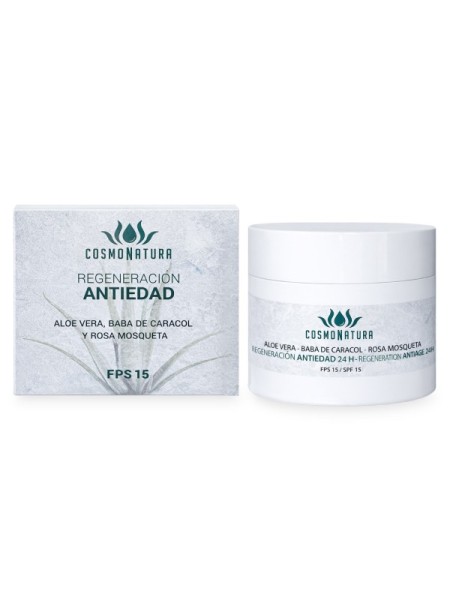
24H Anti-Ageing Cream Aloe-Facecol-Rosehip SPF 15 100 ml | for firming anti-ageing care
A complementary option for a more complete routine.
A simple routine to calm facial redness
A minimal routine makes it easier to see how your skin responds. During a period of visible redness, prioritize gentle cleansing, hydrating with skin-friendly ingredients and daily protection.
1. Cleanse without tightness
If your skin feels uncomfortable, dry or redder after washing, check your cleanser and water temperature. Lukewarm water and a gentle facial cleanser are enough to remove dirt, sweat and makeup without stressing the skin.
Massage with your hands, avoiding rough pads or brushes, and pat dry with a clean towel. Rubbing can prolong warmth and make redness more noticeable, especially around the nose and cheeks.
In the morning, very dry or sensitive skin may need a very light cleanse. It depends on how your skin looks upon waking and what products you applied the night before. If it feels comfortable, there’s no need to overcomplicate this step.
2. Hydrate with aloe vera and hyaluronic acid
Aloe vera is a great ally when you want a refreshing, lightweight boost of hydration. In a well-formulated gel or facial serum, it creates a pleasant feel without a heavy layer—especially useful if redness comes with warmth or discomfort.
Hyaluronic acid complements this step by helping the skin retain water. Apply it to slightly damp skin and seal with a cream. Using it alone on dry skin may fall short, as effective hydration also needs a barrier to lock in moisture.
There’s no need to layer multiple serums. One hydrating serum with aloe vera or hyaluronic acid, chosen for your preferred texture, is usually enough to start. Consistency over several days beats alternating products every night.
3. Lock in hydration with a soothing cream
The cream is the step that brings the routine together. Look for comfortable textures and formulas for dry or sensitive skin, with ingredients like aloe vera, calendula or rosehip oil. Calendula is valued for its soothing touch, while rosehip oil can offer extra nourishment and repair.
Your choice depends on your skin type. If it’s combination, you might prefer a fast-absorbing cream and a small amount on the T-zone. If it’s dry or mature, a richer texture can provide missing comfort, especially at night. The goal is not a shiny finish but flexibility without tightness.
Apply cream in gentle motions from the center outward, without over-massaging. When skin is sensitized, less friction is also a form of protection.
4. Don’t skip daytime protection
Daily sun exposure, even on cloudy days, can make skin feel more vulnerable and uneven tone more noticeable. A facial sunscreen that feels comfortable is a practical step to keep your routine stable.
If you find formulas too heavy or greasy, look for a texture suited to your skin. It’s better to use a product you’ll apply every morning than a “maximal” option that ends up forgotten on the shelf.
What to pause when skin is red
Giving skin a break doesn’t mean abandoning care. It means pausing anything that might add more stress while you focus on hydration. If you’ve been using exfoliants, intense masks, very astringent cleansers or multiple actives at once, temporarily reduce their frequency.
Retinal is a valuable anti-ageing ingredient, but it doesn’t need to be in your routine every night. If your skin looks red or feels tight, prioritise hydration for a few days and reintroduce it gradually when comfort returns. A spaced-out night application with a nourishing cream is safer than upping the dosage.
The same goes for vitamin C. It can fit into many routines, but if you feel stinging or redness after using it, don’t force daily application. Reserve it for select mornings or choose a milder formula to benefit without overloading your skin.
Avoid testing several new products at once. Introduce one, use it for a few days and observe. This simple approach helps you identify which textures and ingredients truly benefit your skin.
Small habits that make a difference
Cosmetics are part of the solution, but how you use them greatly affects the result. Wash your face with lukewarm water, avoid very hot steam and don’t apply products immediately after a hot shower if your skin is still warm. Waiting a few minutes can make your routine more pleasant.
Pay attention to everyday friction: rough scarves, pillowcases that aren’t changed often, makeup removed too vigorously or rough towels. You don’t need to obsess over every detail, but adjusting these habits reduces unnecessary irritation.
If you wear makeup, choose a foundation or concealer that doesn’t require vigorous rubbing to remove. At night, a gentle cleanse followed by aloe vera, a hydrating serum and a calming cream can restore the sense of comfort your skin needs.
An example routine for red-prone skin
In the morning, cleanse gently if needed, apply an aloe vera or hyaluronic acid serum, follow with a moisturizer and finish with a facial sunscreen. At night, remove makeup and impurities with a gentle cleanser, use the hydrating serum again and apply a cream with calendula, aloe vera or rosehip oil according to your skin’s needs.
Once your skin stabilises, you can reintroduce an active like vitamin C or retinal, but do so one at a time and without turning every night into an experiment. At Aloeveraymas, we keep it simple: combine natural ingredients and effective actives in a routine you can maintain, without sacrificing comfort.
If redness persists, changes significantly or is accompanied by intense discomfort, seek professional advice before trying more products. In the meantime, treat your skin with patience: a brief, gentle routine repeated consistently is often the best starting point to restore calm.


