

A vitamin C serum can deliver that brighter, more even look that many skin types aim for, but not all formulas feel or perform the same on the face. Knowing how to choose a vitamin C serum isn’t about chasing the highest percentage; it’s about finding a texture, a derivative and a routine your skin can comfortably maintain.
If your skin is dry, sensitive or mature, the best serum will be one that adds hydration and care without leaving tightness. If it’s combination or prone to shine, a lightweight formula that absorbs quickly without a heavy feel is preferable. Consistency is what lets you see healthy skin, so a simple, pleasant choice is often more useful than an overly intense product that ends up tucked away.
How to choose a vitamin C serum for your skin
The first criterion is to observe how your skin behaves day to day. You don’t need to complicate your routine with too many actives at once: start with the concern you want to address and look for a formula that matches it.
For dry or tight-feeling skin, vitamin C works especially well when paired with hydrating ingredients like hyaluronic acid, aloe vera or soothing plant extracts. This combination helps the serum apply more comfortably and leaves the skin ready for a face cream. Slightly watery or gel textures are usually comfortable, but a richer formula can fit if your skin needs extra elasticity.
In sensitive skin, less can be more. It’s best to start with a moderate concentration and a comfort-focused formula, without unnecessary buildup of exfoliants or other strong actives. Test the product first on a small area and use it every other day during the first or second week. If the skin remains comfortable, you can move to daily application.
Products selected for this guide
Choose the option that best fits your skin and your routine.
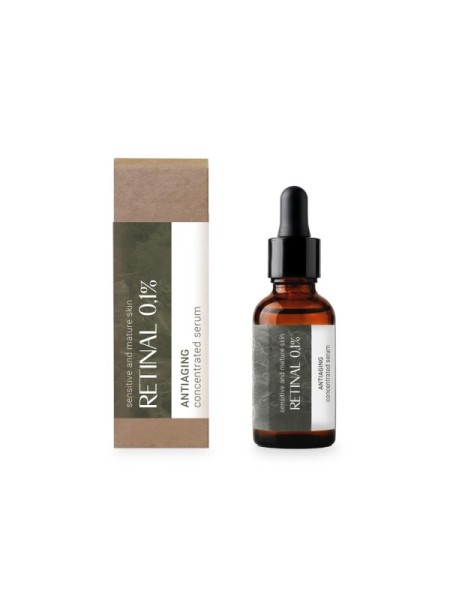
Retinal Anti-Ageing Serum 0.1% 30 ml | for firming anti-ageing care
A versatile option for everyday use.
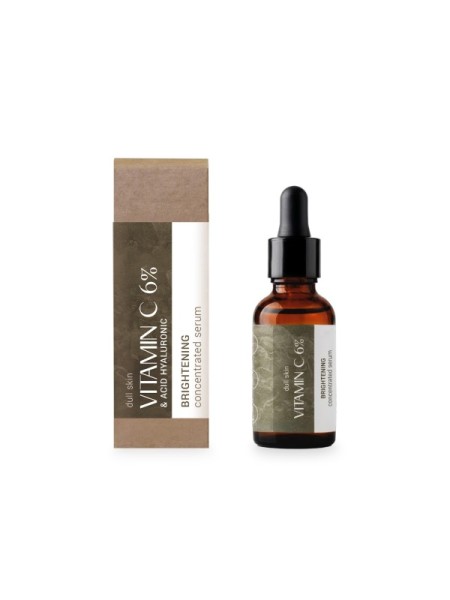
Antioxidant Serum Vit. C 6% 30 ml | for firming anti-ageing care
Designed for more specific care needs.
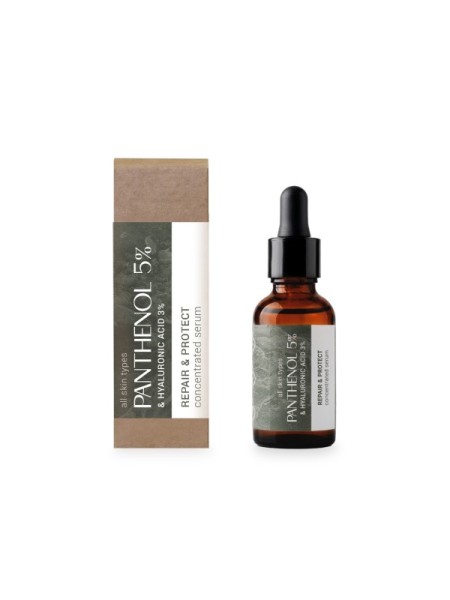
Panthenol Hydrating Serum 5% Hyaluronic Acid 3% 30 ml | for firming anti-ageing care
A complementary option for a more complete routine.
Combination or shine-prone skin often appreciates serums with a lightweight finish and fast absorption. Look for packaging and formulas that let you dispense just a few drops, as too much won’t enhance the result and can make subsequent layers feel heavy. Follow with a light moisturizer to maintain balance without overloading.
In mature skin, vitamin C can be a great ally in a routine focused on brightness, hydration and a more even appearance. Pair it with hyaluronic acid in the morning and reserve renewing ingredients like retinal for the night to order your steps without overwhelming the skin. You don’t have to use everything daily from day one: adjusting frequency is part of sensible care.
Percentage matters, but it’s not everything
Seeing a high percentage on the label can be eye-catching, but it’s not a guarantee that the serum is better for you. A high concentration may suit those used to vitamin C with well-tolerated skin, but delicate skin may feel more comfortable with a milder, consistent formula.
As practical guidance, low to medium concentrations are a good introduction if you’ve never used this active before. Once you know how your skin reacts and you aim for a more noticeable brightening effect, you can consider a higher concentration, provided the rest of the formula maintains a pleasant feel. The goal isn’t to chase a number, but to achieve skin that looks cared for without signs of discomfort.
The type of vitamin C also matters. Ascorbic acid is a well-known form but can be more demanding for some skin types. There are derivatives that typically fit well into simple routines, like ascorbyl glucoside, sodium ascorbyl phosphate or ethyl ascorbic acid. You don’t need to memorize every name—just know that a well-formulated serum can deliver brightening care even if it doesn’t use the most potent derivative.
Focus on the complete formula, not just the vitamin C
A good serum isn’t judged solely by its star ingredient. Think of it as a care step that needs to fit with your cleanser, cream and routines. Aloe vera can offer a fresh, pleasant application, which is especially appealing when you want hydration without a heavy texture. Hyaluronic acid helps reinforce the feeling of moisturized skin, while ingredients like rosehip or calendula can complement routines that prioritize comfort and barrier care.
If your goal is a practical morning routine, look for a formula that won’t pill when you apply cream or sunscreen on top. Texture matters: a perfect-on-paper serum isn’t useful if it forces you to wait too long or leaves sticky skin. Two or three well-distributed drops on face and neck are usually enough.
It’s also worth checking the scent. Some people enjoy a light fragrance, while reactive skin types often prefer simpler formulations. There’s no universal rule, but if scented products have irritated you before, choose with caution and prioritize mild formulas.
The packaging protects the formula
Vitamin C is an active ingredient that benefits from good protection. Opaque containers or dark glass with a dropper or pump that limits air contact help preserve the formula better. A clear bottle placed near a window is not the best option, no matter how attractive it looks in your bathroom.
Store the serum in a cool, dry place away from direct light. If the product noticeably changes color, becomes much darker or develops a different smell, it’s best to check it before continuing use. Proper storage is an easy way to make the most of each application.
How to incorporate the serum into your routine
Morning is often a good time to apply vitamin C. After cleansing your face, apply the serum to dry or slightly damp skin, wait a few seconds and follow with your moisturizer. The final step should be facial sunscreen, even on cloudy days or when you’ll be indoors near a window.
A basic routine might look like this: gentle cleanse, vitamin C serum, moisturizer, and sunscreen. It’s a realistic sequence for anyone seeking effective care without too many steps at the mirror. If you use a separate hyaluronic acid serum, apply it before or after based on the textures of both products, allowing each layer to absorb without over-rubbing.
At night, you can focus on hydration, nourishment or actives like retinal, introducing them gradually. If you have sensitive skin or are just starting out, alternating nights of retinal with nights of a repairing cream is more comfortable than layering many products. Skin doesn’t need a lengthy routine: it needs consistency and products that address its needs.
Common mistakes when choosing vitamin C
The most common mistake is choosing based on trends without considering skin type. Another is changing products every few days expecting an immediate transformation. Vitamin C is best enjoyed as part of a routine maintained over several weeks, observing brightness, texture and comfort.
It’s also wise to avoid using an excessive amount. More serum doesn’t mean more benefits; usually a few drops are enough. Finally, don’t forget sunscreen. If you aim for an even, luminous complexion, this daily step completes the work of your serum and cream.
At Aloeveraymas, a well-chosen facial routine starts with listening to your skin: if it needs hydration, look for aloe vera and hyaluronic acid; if it needs a brighter look, add vitamin C with a formula you can use every morning. The best serum is the one that makes daily care an easy, pleasant, and consistent gesture.


