

The search “mature skin cream” often begins in front of the mirror: the skin feels drier, loses comfort during the day, and lines seem more pronounced when hydration is lacking. You don’t need to complicate your routine or pile on products. A well-chosen cream, applied consistently and combined with compatible actives, can restore comfort, softness, and a more rested appearance.
The key isn’t to look for a cream that promises to do everything, but to identify what your skin needs right now. With mature skin, the priority is usually to maintain hydration, boost the sensation of nourishment, and provide ingredients that support visible renewal gradually.
What a mature skin cream should provide
Over time, the skin can produce fewer natural lipids and retain water less effectively. That’s why a mature skin cream should help prevent tightness just a few hours after application. Texture matters, but even more important is the ingredient combination and daily use.
Aloe vera is an especially appealing base when you’re looking for hydration with a fresh, pleasant feel. It brings comfort without making the formula feel heavy, an advantage for those with mature skin who don’t enjoy overly dense creams.
Hyaluronic acid complements this function well because it helps draw water to the skin’s surface. In a simple routine, it can be present in a serum before the cream or integrated into the cream itself. If the skin is very dry, using both products can provide longer-lasting hydration.
Products selected for this guide
Choose the option that best fits your skin and your routine.
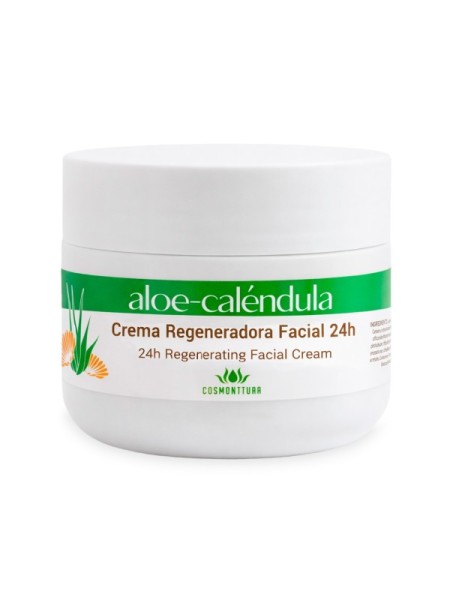
Regenerating Face Cream 24h 100 ml | for daily natural skincare, sensitive skin
A versatile option for everyday use.
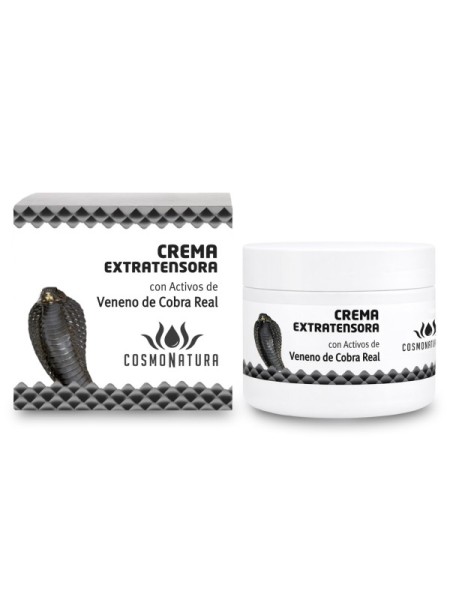
Extra-Firming Cream con activos de Cobra Venom 100 ml | for firming anti-ageing care
Designed for more specific care needs.
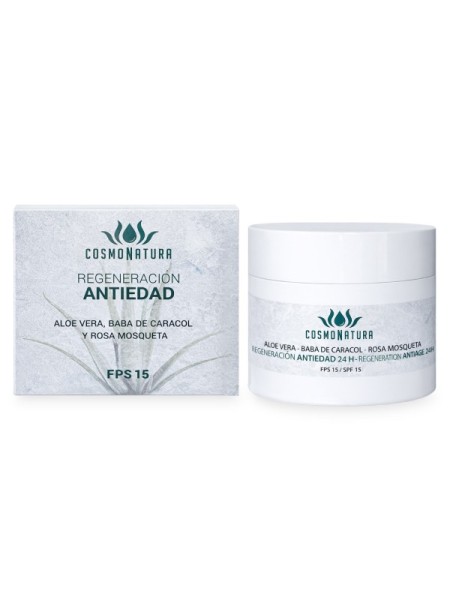
24H Anti-Ageing Cream Aloe-Facecol-Rosehip SPF 15 100 ml | for firming anti-ageing care
A complementary option for a more complete routine.
You should also look for nourishing, regenerating ingredients such as rosehip oil or calendula. Rosehip oil provides a richer, more supple feel, while calendula is a good ally when the skin needs gentle care and comfort. Not all mature skins require the same texture: dry skin will appreciate a more enveloping cream, while combination skin may prefer a lighter, fast-absorbing formula.
How to choose a mature skin cream based on your needs
There’s no single correct cream for everyone. Choosing the right one depends on how your skin behaves throughout the day, the season, and the products you already use.
If you notice tightness when washing your face, occasional flaking or the need to reapply cream, prioritize a nourishing formula with aloe vera, hyaluronic acid, and plant oils. In this case, a day cream can be comfortable, but at night it’s often beneficial to increase the nourishing boost with a slightly richer texture.
If your skin is mature and sensitive, simplicity wins. A routine with too many actives at once can become uncomfortable. Start with a hydrating, soothing cream with aloe vera and calendula, then add treatment products gradually. This way, you can observe what suits you without overhauling your entire routine at once.
When your main concern is uneven tone or loss of radiance, vitamin C can fit well in the morning. Pair it with a lightweight moisturizer and always finish with sunscreen. Vitamin C doesn’t replace hydration: it works best when the skin’s basic comfort needs are already met.
For those looking to target fine lines and texture, retinal can be a nighttime option. It’s an active ingredient that should be introduced gradually, starting with a few nights a week and alternating with hydration-focused nights. On nights without retinal, a cream with aloe vera, hyaluronic acid, and rosehip oil can help keep the skin comfortable.
A simple morning and evening routine
A good mature skin routine doesn’t need ten steps. It needs consistency and products with a clear purpose. In the morning, gently cleanse the face, apply a hydrating or antioxidant serum if you use one, and finish with your cream. The last step should always be sunscreen, even when it looks cloudy or you’re only going outside briefly.
At night, remove makeup, sunscreen, and impurities without scrubbing. Then you can apply a hyaluronic acid serum and seal in hydration with a nourishing cream. If you include retinal, use it on clean, dry skin according to your tolerated frequency, then follow with a comfort-boosting cream.
A practical way to organize it is to reserve two or three nights per week for retinal at first and dedicate the rest to a repairing and hydrating routine. Rushing rarely delivers better results. Mature skin appreciates consistency more than intense week-to-week changes.
Light texture or nourishing cream: it depends on your skin
There’s a notion that all mature skin needs a very thick cream. That’s not always true. A dense texture can be great for dry skin or cold nights, but it can feel too heavy on combination skin, in warm climates, or if you layer several serums underneath.
A lightweight cream with aloe vera and humectant ingredients can be enough during the day if the skin stays comfortable until evening. However, if by late afternoon you feel tightness, loss of softness, or makeup creasing, you’ll likely need a richer formula or to reinforce your routine with a hydrating serum.
It’s also useful to adapt the cream to different facial areas. Cheeks and eye contours often need more nourishment, while the forehead, nose, and chin may prefer less. Applying the same thick layer all over isn’t necessarily better. Listening to your skin allows you to adjust your application without wasting product.
Missteps that can undermine skin comfort
The first is constantly switching products. A cream needs time and regular use for you to assess how your skin responds. If you try a different formula every few days, it will be hard to know what truly works for you.
Another common mistake is using powerful actives without pairing them with good hydration. Retinal and vitamin C can be part of a mature skin routine, but they shouldn’t displace the moisturizer. A base of aloe vera, hyaluronic acid, and nourishing actives helps make the routine more pleasant to maintain.
You should also avoid over-cleansing. If your face feels tight right after washing, the cleanser may be too harsh or the water too hot. Cleansing should leave the skin feeling fresh, not uncomfortable.
Finally, don’t forget the neck and décolletage. These areas often get less hydration, even though they’re exposed to the same temperature changes and sun. Extending the cream upward with gentle movements is a simple step that completes your facial care.
When to adjust your routine
The cream that works in spring may fall short in winter. Heating, cold, wind, or routine changes can make your skin need more nourishment. During these periods, you don’t always need to swap all your products: sometimes adding a hyaluronic acid serum, using slightly more cream at night, or choosing a richer texture is enough.
If, on the other hand, you notice shine or a heavy feeling, simplify. Reduce the product amount, use a lighter cream during the day, and reserve the richer texture for nighttime. Caring for mature skin isn’t about overloading it, but giving it the balance it needs.
A routine with aloe vera, deep hydration, and thoughtfully introduced actives can become a brief moment of genuine care. Choose a cream that you enjoy using every day: consistency comes much more easily when the skin feels comfortable from the first application.


