
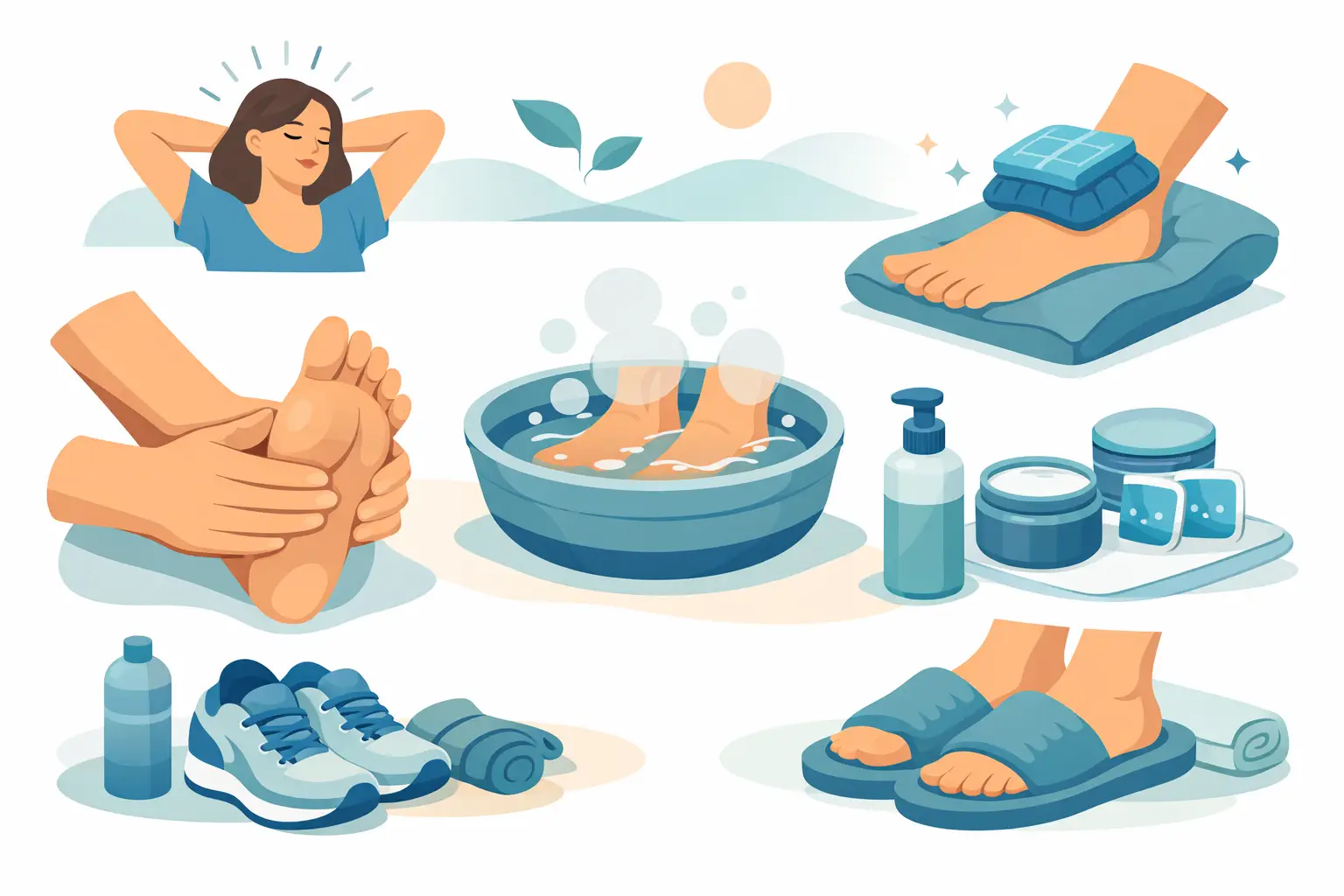
Finishing a walk with warm feet, heavy calves or tight skin completely changes your sense of well-being. If you’re wondering what to use after walking, you don’t need a complicated routine: choosing a formula based on how your legs, feet and skin feel helps restore freshness, hydration and comfort.
Walking is a gentle activity for many, but asphalt, heat, shoe friction and standing for long periods also leave their mark. A cooling gel can be a great choice when you feel heaviness and fatigue; a nourishing cream works better if your skin feels dry. The key is not to apply the same product out of habit, but to address what your body needs that day.
What to Use After Walking by Area
Not every area feels the same after a route. Legs usually appreciate a refreshing massage, while feet need hydration and rest. If you walked outdoors, your face may also call for a gentle cleanse and an extra touch of comfort.
For Tired Legs or Heaviness
A body massage gel with aloe vera, arnica, menthol, ginger or harpagophytum is practical after walking, especially if you want a fresh, light feel. Aloe vera provides hydration and a soothing touch, while menthol leaves a refreshing sensation many people appreciate at the end of the day.
Apply it to clean, dry skin with upward strokes from the ankles to the knees. There’s no need to press hard: a slow two- to three-minute massage per leg is enough to turn the application into a quick recovery moment. If you sweat a lot, shower first with lukewarm water to remove salt and dirt without further drying the skin.
Products selected for this guide
Choose the option that best fits your skin and your routine.
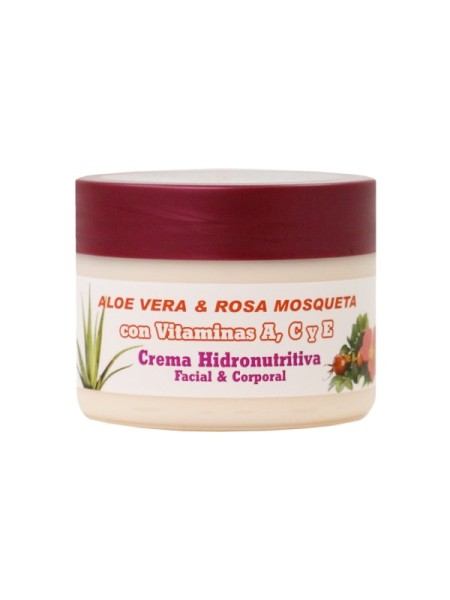
Hydro-Nourishing Face and Body Cream 250 ml | for dry skin and daily body hydration
A versatile option for everyday use.
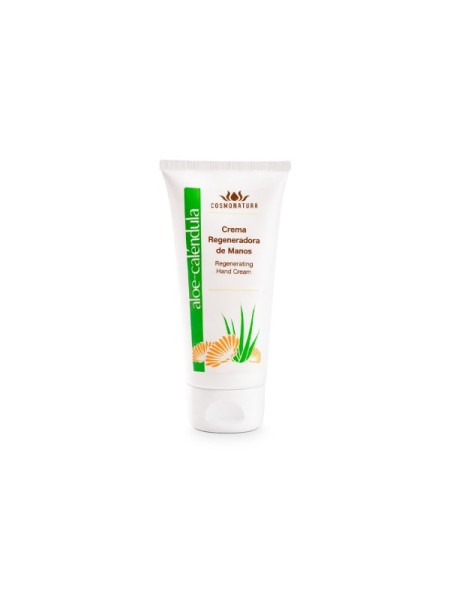
Regenerating Hand Cream 100 ml | for daily natural skincare, sensitive skin
Designed for more specific care needs.
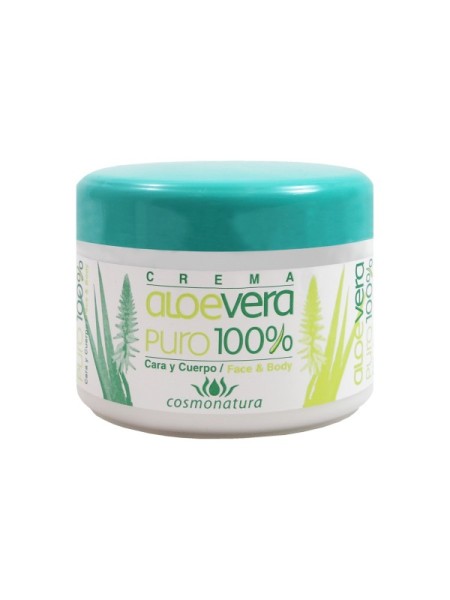
Face and Body Cream con 100% Aloe Vera 250 ml | for dry skin and daily body hydration
A complementary option for a more complete routine.
Cooling gels are a good choice on hot days or after long routes. However, if you are sensitive to menthol or your skin is irritated from friction, choose a simpler formula with aloe vera and calendula, and test a small amount first.
For Dry, Hot Feet or Minor Chafing
Your feet bear the brunt of every step and are often overlooked. After drying them well, apply a hydrating and repairing cream with aloe vera, calendula or rosehip oil. These ingredients help soften dryness and keep the skin more comfortable, especially on heels, insteps and toes.
Spread the cream in circular motions across the sole, paying attention to areas where shoes tend to rub. Avoid applying too much between the toes, as moisture buildup can be uncomfortable. A generous layer on the heels before bedtime, paired with cotton socks, is a simple solution to extend hydration.
If your feet feel very hot, start with a few minutes of cool (not ice-cold) water. Then dry them carefully and apply the product. This order lets you enjoy the coolness without shocking your skin’s natural barrier with abrupt temperature changes.
For Body Skin After Sun, Wind or Sweat
Outdoor walks can leave the skin on your arms, chest and legs feeling rough or tight. After a brief shower, a lotion with aloe vera and soothing extracts provides hydration without the heavy feel of a thick butter. Calendula is especially suitable when you want a pleasant texture for delicate or chafed skin.
On particularly dry areas like knees, elbows and heels, you can top up with rosehip oil. Its richer texture makes sense at night or when you won’t be dressing right away. During the day, a light emulsion is usually more comfortable and easy to keep as a habit.
For the Face After an Outdoor Walk
If you walked in heat, sunscreen or sweat, cleanse your face with a gentle product and avoid rubbing with a towel. Next, an hydrating serum with hyaluronic acid and a cream with aloe vera can restore comfort to the skin without overloading it.
It’s not the best time to introduce multiple active ingredients if your face feels sensitive or overheated. Save more intensive products in your routine, like retinal, for the evening and apply them when your skin is calm, clean and fully dry. After walking, less can be more.
A 10-Minute Routine When You Get Home
Recovery doesn’t depend on the product alone. A few well-chosen steps help make body care more pleasant and consistent.
- Remove your shoes and socks as soon as possible. Let your feet breathe for a few minutes and check for any rubbed areas before applying a cream or gel.
- Rinse off sweat with lukewarm water. A quick shower removes stickiness and prepares your skin for hydration. Avoid very hot water if your legs are tired or your skin reddens easily.
- Massage legs and feet with the right formula. Choose a cooling gel for heaviness or a nourishing cream for dryness. Start at the feet and work your way up the legs.
- Rest with your legs slightly elevated. Five minutes is enough while you read, make a cup of tea or simply relax. It’s a simple gesture that pairs well with massage and self-care.
How to Choose Between a Gel, Cream or Body Oil
Texture matters because it determines whether you’ll use the product regularly. A massage gel usually absorbs quickly, doesn’t leave a heavy feel and works well after walking when you need to get dressed or continue with your tasks. Formulas with menthol add extra freshness, making them a functional alternative in spring and summer.
A body cream is more suitable if, in addition to fatigue, you feel dry skin. Look for aloe vera as a hydrating base and calendula or rosehip if you want more nourishing care. It can be the best choice to use after a shower or before bedtime.
The body oil makes sense for a slower, longer massage, especially on very dry legs and feet. In return, it takes longer to absorb and can be less practical right before putting on shoes or tight clothing. There’s no one superior texture for everyone: it depends on the time of day, the season and how your skin reacts.
At Aloeveraymas, body formulas centered on aloe vera and massage actives let you adapt this moment without filling the bathroom with unnecessary products. A leg gel and a nourishing cream for feet and dry areas usually cover most needs after walking.
Common Mistakes That Reduce Comfort After Walking
Applying a product on sweaty skin without cleaning it first can leave a sticky, unpleasant feel. It’s also common to use too much gel thinking the effect will be greater, when a moderate amount well massaged usually spreads better.
Another mistake is limiting care to days of long walks. Short routes, errands and many hours of standing also load the feet. Maintaining daily hydration makes your skin more comfortable for the next outing.
Finally, don’t cover an intense or persistent discomfort with massage products and keep pushing yourself. Body care helps you rest and feel relief, but it’s wise to listen to your body, slow down when needed and seek professional guidance if discomfort doesn’t improve.
After walking, the best product is the one that invites you to repeat the gesture tomorrow: a touch of freshness for your legs, hydration for your feet and ten minutes reserved to feel good again in your own body.


