

An aloe gel may seem like a simple product until you really need it: after sun exposure, following hair removal, when skin feels tight, or when a specific area needs a cooling boost. This pure aloe gel review is based on a practical idea: not all gels deliver the same experience, even if “aloe” dominates the label. The difference lies in the formula, the texture and choosing it for the right moment.
For those looking for a natural treatment that works both for body care and everyday skin needs, aloe gel is a handy essential. It doesn’t replace a rich cream when dryness is intense, but it can provide light hydration, a soothing feel, and comfort without leaving a heavy film.
Pure Aloe Gel Review: Benefits for Your Skin
Aloe vera is especially valued for its ability to deliver moisture and comfort to the skin. In gel form, it feels pleasant when you want a fresh touch and quick absorption. That’s why it’s a great fit for normal, combination, or skin that feels weighed down by heavy creams.
Its use is very versatile. You can apply it on the body after showering, on legs and arms post-hair removal, or on sun-exposed areas when the skin needs a gentle touch. It can also serve as a hydrating primer before your body lotion. On the face, use it more selectively: oily skin may appreciate its lightness, while dry or mature skin usually needs to lock in that hydration with a cream or a few drops of rosehip oil.
The soothing effect depends both on the aloe itself and the temperature of the product. Storing the gel in a cool spot can make it especially refreshing in hot weather or after a workout. No need to overcomplicate your routine: a thin layer on clean skin is usually enough.
Products selected for this guide
Choose the option that best fits your skin and your routine.
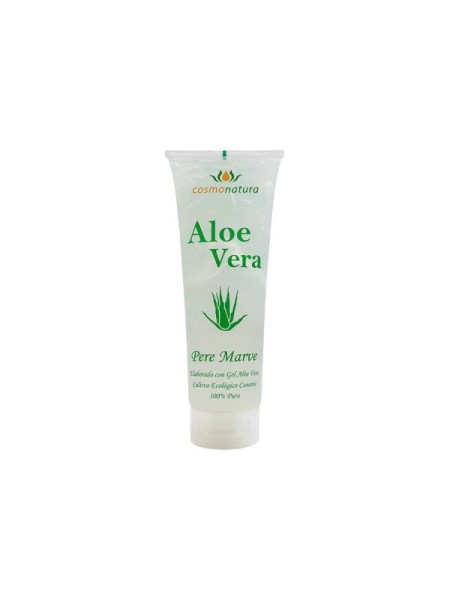
Pere Marve Aloe Vera Gel 100% organic Canarian cultivation 250 ml | for cooling face and body hydration
A versatile option for everyday use.
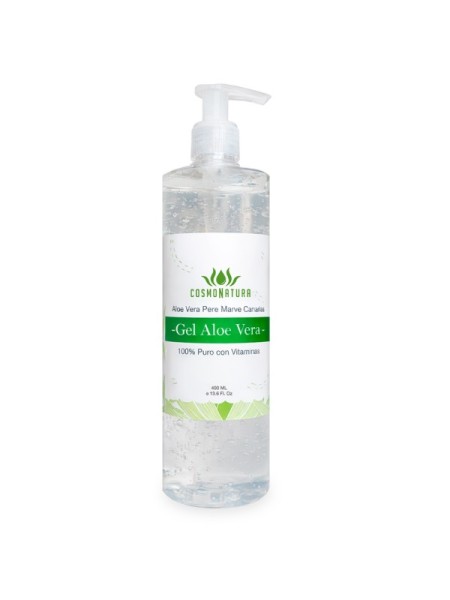
Aloe Vera Gel 100% organic con Vitamin A y E 400 ml | for cooling face and body hydration
Designed for more specific care needs.
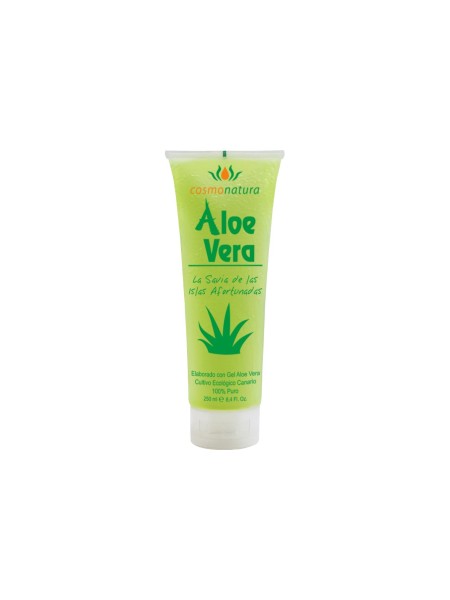
BIOGEL Green Aloe Vera Gel 99.5% 250ml | Soothing care for daily skincare
A complementary option for a more complete routine.
What “Pure” Really Means
The term “pure aloe gel” might suggest that the bottle contains only aloe vera. In cosmetics, however, a gel needs a stable, safe formula that feels pleasant to apply. It often includes preservatives, thickeners, or humectants to preserve its texture and shelf life. That doesn’t make it a bad product.
What matters is checking how aloe appears in the ingredients list and whether the formula avoids additives that don’t suit your skin’s needs. If you want a product for sensitive or freshly shaved skin, look for a short ingredient list, minimal fragrance, and a clean feel upon application. If your goal is post-sun comfort, it’s also best to steer clear of high-alcohol formulas, as they can feel harsh on already sensitized skin.
A good gel shouldn’t feel sticky. The ideal texture spreads easily, absorbs in minutes, and leaves skin supple, not tight. If you notice an uncomfortable film or if your skin feels dry soon after, you may want to switch formulas or use it alongside a body cream.
Aloe Vera as the Main Ingredient
When aloe appears high up in the formula, it usually plays a bigger role than if it’s listed at the end. Still, it’s not just about the percentage. Your experience also depends on the ingredient mix and how your skin reacts.
For daily use, many people prefer gels with mild complementary actives like calendula or panthenol, which enhance the nurturing effect. If you want a basic product for the whole family, a simple formula might be the most convenient choice. The best option isn’t always the most heavily marketed one, but the one you can use with confidence and consistency.
When to Use Aloe Gel and When to Choose a Different Texture
Pure aloe gel is especially fitting when you need a cooling feel, light hydration, or a quick finish. In summer, for example, it can become a go-to step after your shower. It’s also pleasant on arms, legs, and shoulders after a workout, as long as you apply it to clean, unbroken skin.
However, there are times when a cream or body oil offers more. If your skin is rough, flaky, or feels tight for hours, gel alone may fall short since it mainly delivers water. A cream with aloe, calendula, or rosehip provides longer-lasting nourishment and helps keep skin comfortable for longer.
On the face, your choice depends on your skin type. For a combination or oily skin routine, a small amount of gel can serve as a light moisturizer, especially during the day. If you have dryness, sensitivity, or signs of maturity, it’s better to use it as a hydrating layer and follow with a hyaluronic acid serum or a tailored cream. Aloe plays nicely alongside other steps but doesn’t have to do all the work.
Is It Good for After Sun?
Yes, as long as your skin doesn’t show any condition that needs professional care. Its cool texture can relieve heat and offer comfort after mild sun exposure. Apply it gently, without rubbing, and avoid sun exposure again without proper protection.
For this use, choose a gel with minimal fragrance. Applying it generously and reapplying as needed can be more effective than a single thick layer. If your skin still feels very dry after a while, finish with a reparative body cream.
How to Apply It for Maximum Benefit
How you apply it changes the outcome. On slightly damp skin after a shower, the gel spreads more easily and helps lock in moisture. On targeted areas, like legs after hair removal, a moderate amount and a gentle massage until absorbed is all you need.
In a simple body routine, you can use the gel in the morning for a fresh finish and a richer cream at night. This combo is handy if you have dryness in certain areas but don’t want a heavy feel during the day. On elbows, knees, or heels, don’t expect aloe to do all the work: a richer cream applied regularly usually works better there.
You can also use it as a massage base, though it doesn’t replace a muscle recovery gel formulated with arnica, menthol, ginger, or devil’s claw. Aloe provides a light glide and cooling effect, but if your goal is to ease post-workout fatigue, a targeted body product is more suited to that need.
Signs You’ve Chosen the Right Gel
A well-chosen aloe gel leaves a comfortable feel from the first application. Skin feels fresh, hydrated, and free of excess shine or sticky residue. Plus, it fits easily into your routine: you won’t have to wait long before getting dressed, and it won’t clash with other products.
Consistency matters too. If you use it daily and notice your skin stays more flexible, feels less tight after a shower, or is more comfortable after hair removal, you’ve likely found a product that works for you. If it stings, leaves your skin hot, or causes discomfort, remove it and discontinue use.
Before trying any new cosmetic—especially if your skin is reactive—test a small amount on a discreet area. It’s a simple step that lets you gauge tolerance without complicating your routine.
The best aloe gel isn’t the one with the most promises, but the one that meets a specific need and becomes easy to use. Keep it on hand whenever your skin craves a cooling touch, and pair it with a nourishing cream when it needs more than light hydration.


