

Skin that feels tight at the end of the day, marks that seem more visible or a lack of comfort after cleansing often call for a more nourishing routine, not necessarily a longer one. When you look for facial rosehip oil, you’re usually after just that: a simple step to help care for your skin and restore a more elastic, smooth and radiant appearance.
Rosehip oil can be a great ally, especially for dry, sensitive or mature skin. But not every face needs the same amount or application method. Using it correctly makes the difference between comfortable skin and a feeling that’s too heavy.
Benefits of facial rosehip oil
Rosehip is prized in skincare for its nourishing profile and its ability to complement routines aimed at improving skin’s appearance. When applied consistently, it helps smooth texture, enhances elasticity and leaves a feeling of skin more protected against dryness.
It’s especially useful when skin has lost its comfort. It can fit after cold spells, sun exposure, routine changes or simply when the face appears dull. It’s also used to care for areas where marks or small texture irregularities are more noticeable, always with realistic expectations: a cosmetic improves the look and comfort of the skin with continued use, it doesn’t transform its condition overnight.
Its oily texture also has a practical role. It helps reduce water loss that can occur after applying water-based products such as an aloe vera serum or hyaluronic acid. That’s why oil works best as the final nourishing step rather than as the sole hydrating product.
Products selected for this guide
Choose the option that best fits your skin and your routine.
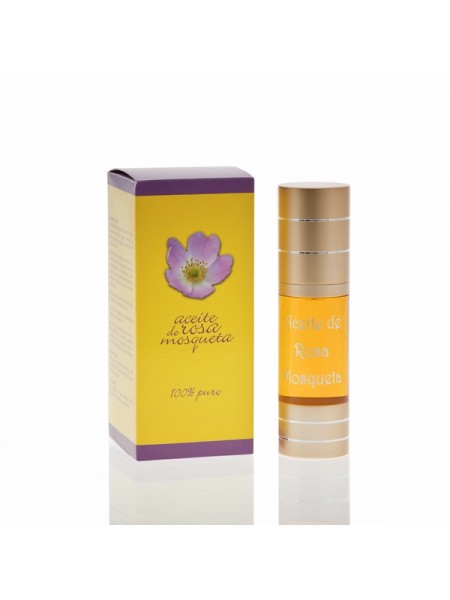
Pure Rosehip Oil 30 ml – Cold Pressed Facial Oil in Airless Bottle
A versatile option for everyday use.
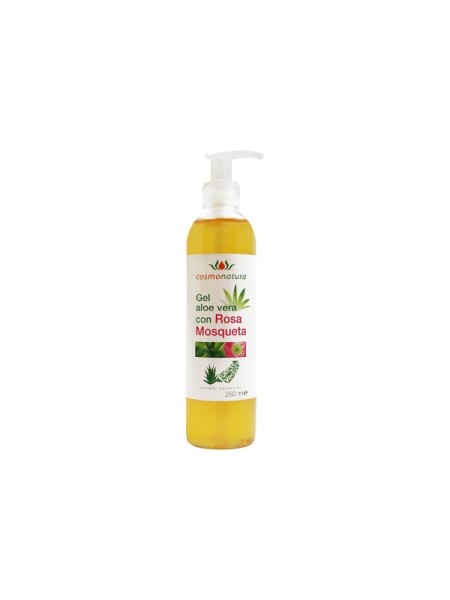
Aloe Vera Gel 100% + Rosehip 250 ml | for cooling face and body hydration
Designed for more specific care needs.
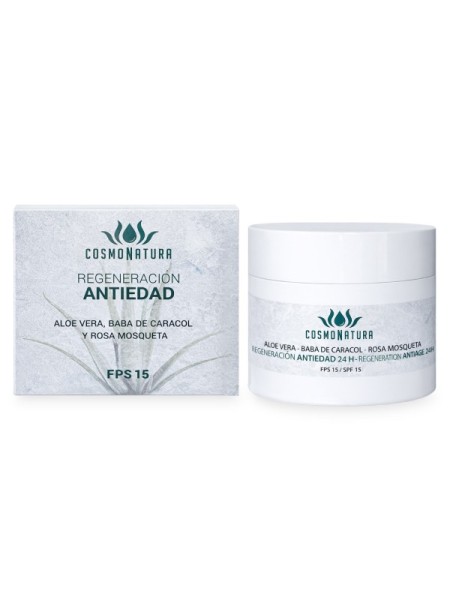
24H Anti-Ageing Cream Aloe-Facecol-Rosehip SPF 15 100 ml | for firming anti-ageing care
A complementary option for a more complete routine.
Skin types suitable for it
Facial rosehip oil usually feels very pleasant on dry, mature or tight-feeling skin. A few drops at night can complete a basic routine of gentle cleansing, hydrating serum and cream if extra comfort is needed.
For sensitive skin, simplicity is key. It’s best to start with a small amount and apply it to clean, well-hydrated skin, observing how it responds over several days. If you tend to react to new products, it’s advisable to test a small amount on a discreet area first.
Combination skin can also use it, though it typically requires less product and more targeted application. Two drops spread over the cheeks, outer face contour or dry spots may be enough. However, if skin is prone to shine or blemishes, you don’t have to skip it, but choose a lightweight formula and avoid applying a thick layer over the entire face. Here, the dose matters more than the ingredient itself.
How to choose a good rosehip oil
No need to overcomplicate the choice, but look at a few details. Seek a facial oil designed for cosmetic use, with a clear formulation and packaging that protects it well from light. Opaque or dark glass bottles help preserve the product better.
If you’re after a minimalist routine, pure rosehip oil can be a suitable option. If you aim to cover multiple steps at once, you can also choose formulas that combine it with aloe vera, calendula or other soothing and nourishing actives. Aloe vera provides a fresh, hydrating feel while rosehip oil helps seal in that comfort.
Scent also deserves attention. A mild, plant-like aroma can be normal, but oil with a rancid smell or a noticeable color change may indicate it’s past its best. Store it tightly closed, away from heat sources and direct light.
How to apply facial rosehip oil
Nighttime is the most convenient moment to include it because it lets your skin enjoy its nourishing texture without hurry. After cleansing your face, first apply water-based products. A hydrating serum with aloe vera or hyaluronic acid is a good choice if you notice dehydration or lack of elasticity.
Next, warm two to three drops of oil between your palms and gently press them onto your face. No need to rub vigorously. Start on your cheeks and move the product toward your forehead, chin and neck. If you use a facial cream, you can apply the oil afterward to boost nourishment, or mix a drop with the cream in your palm if you prefer a lighter texture.
The amount should adapt to your skin. Dry skin may appreciate three or four drops; combination skin might need just one or two. Adding more product doesn’t improve results. If you wake up with a persistent greasy film, reduce the dose the next night.
You can also use it in the morning, although it’s usually more practical to reserve it for specific dry areas. If applied during the day, let it absorb well and always finish your routine with sunscreen. Well-cared-for and nourished skin also needs protection from daily exposure.
A simple routine for dry or mature skin
After cleansing, apply a hydrating serum and allow it to absorb for a few seconds. Then, use your regular facial cream and finish with two or three drops of rosehip oil. This combination delivers water to the skin with the serum, comfort with the cream, and a final nourishing layer with the oil.
If you use a retinal night treatment, introduce rosehip oil gradually. Many skin types benefit from using retinal on alternate nights and saving oil for nourishing nights, especially at the start. This way it’s easier to know what your skin needs and avoid overdoing your routine.
A lightweight routine for combination skin
Gently cleanse your face, apply a lightweight hydrating serum and use a comfortably textured cream. Then, place one drop of oil only on areas of higher dryness, such as the cheeks or around the mouth. This targeted use allows you to enjoy its benefits without overloading the T-zone.
Combining rosehip oil with other actives
Rosehip oil integrates well into a routine focused on hydration and texture care. With aloe vera it forms a very balanced combination: first the hydrating freshness of aloe, then the nourishing finish of the oil. The same goes for hyaluronic acid, since the serum provides hydration and the oil helps maintain a comfortable feeling.
Vitamin C usually fits better into a morning routine, accompanied by sunscreen. At night, you can turn to rosehip oil for more nourishing care. This separation isn’t mandatory, but it’s convenient for keeping a clear and easy-to-follow routine.
You don’t need to use all actives at once. If your skin is sensitive or feels like it needs a break, go back to basics for a few days: gentle cleansing, hydrating serum, cream and a small amount of oil. Consistency with a few well-chosen products usually gives better results than layering unnecessarily.
Common mistakes when using it
The most common mistake is applying oil onto completely dry skin and expecting it to replace hydration. Oil provides nourishment, but it doesn’t replace the water you get from a serum or moisturizing cream. Applying it after water-based products greatly improves the experience.
It’s also common to use too much. The face doesn’t need to look shiny to be well cared for. Always start with a few drops and adjust according to how your skin responds. Another mistake is changing your entire routine at once: if you introduce a new oil alongside several new products, it will be hard to identify what works best.
Lastly, don’t forget about storage. Well-cared-for oil maintains its qualities and texture better. Close it tightly after each use and avoid leaving it next to a window or in a very hot bathroom.
Rosehip oil can become that brief step your skin looks forward to at the end of the day. Start with two drops, pair it with a solid hydration base and let your routine work at your own pace: comfortable, consistent and tailored to what your skin needs.


