

A cream that leaves your skin feeling tight by mid-morning, shows shine before lunch, or causes an itching sensation after application are signs the choice isn’t working. This day facial cream guide helps you find a formula that meets your skin’s real needs, with a simple routine and active ingredients that provide hydration, comfort and a healthy look.
The day cream doesn’t have to do it all alone. Its main function is to maintain hydration, add a layer of comfort and help skin feel balanced for hours. Combined with the right serum and sun protection, it becomes a practical base for morning facial care.
Day Facial Cream Guide: What It Should Deliver
A good day facial cream should adapt to how your skin actually behaves, not just how you wish it would. Dry skin needs lipids and nourishment; combination skin usually prefers lightweight textures that don’t overload oily areas; and sensitive skin seeks gentle formulas that reduce discomfort.
The aloe vera is a great ally at this step. It delivers fresh, pleasant hydration, especially useful when skin feels dehydrated, exposed to cold, heat or daily cleansing. Combined with hyaluronic acid, it helps retain moisture and improves the feeling of supple skin without relying on heavy textures.
It’s not wise to choose solely based on the age stated on the packaging. A 30-year-old’s skin might be very dry and require a richer cream, while mature skin that tends to shine or that layers multiple products may prefer a fluid texture. The decisive factor is skin condition and the comfort it provides after several hours of use.
Products selected for this guide
Choose the option that best fits your skin and your routine.
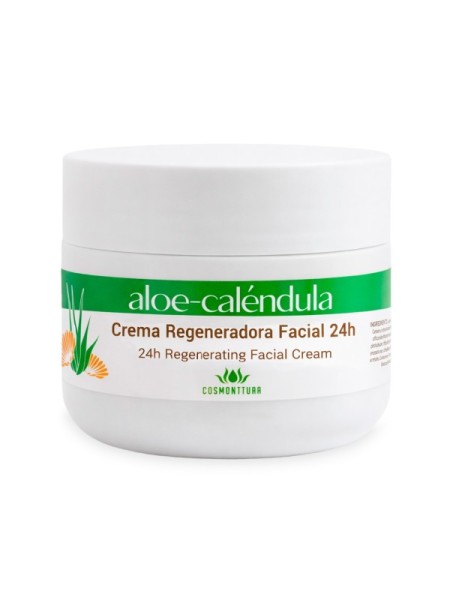
Regenerating Face Cream 24h 100 ml | for daily natural skincare, sensitive skin
A versatile option for everyday use.
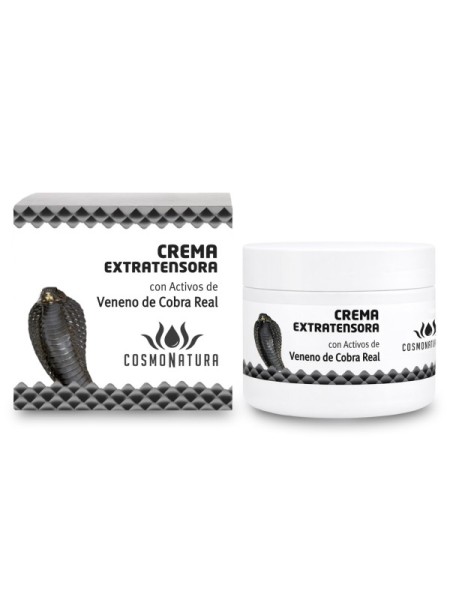
Extra-Firming Cream con activos de Cobra Venom 100 ml | for firming anti-ageing care
Designed for more specific care needs.
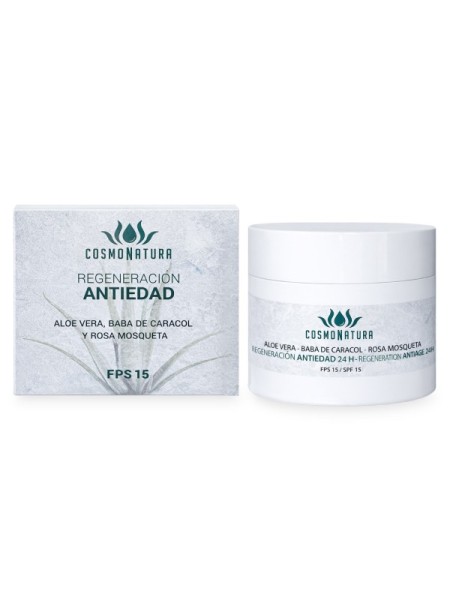
24H Anti-Ageing Cream Aloe-Facecol-Rosehip SPF 15 100 ml | for firming anti-ageing care
A complementary option for a more complete routine.
Hydration, Nutrition and Protection Are Not the Same
Hydration refers to supplying and retaining water in the skin. Ingredients like aloe vera and hyaluronic acid are particularly valued when tightness, dehydration lines or dullness appear.
Nutrition usually comes from oils and emollient components that soften the skin’s surface and reduce roughness. Rosehip oil, for example, can be an interesting complement for dry or regenerating care, although combination skin should use it in controlled amounts or reserve it for nighttime.
Sun protection, for its part, requires a specific sunscreen applied as the last step in the morning routine. A hydrating day cream can prepare the skin and make the sunscreen feel more comfortable, but it should not replace it if you’re exposing yourself to sunlight.
How to Choose Your Day Facial Cream by Skin Type
Dry or Tight Skin
If after washing your face your skin instantly cries out for cream, or if makeup highlights tiny dry patches, look for cream-texture formulas that combine aloe vera, hyaluronic acid and nourishing ingredients. Calendula is a good option when, in addition to dryness, you want a calming and soothing sensation.
In this case, a very light texture can fall short, especially in winter or heated indoor environments. However, a richer cream shouldn’t leave an uncomfortable film. The right sign is skin that feels supple, soft and doesn’t need reapplication after just a few hours.
Sensitive or Easily Reactive Skin
Your morning routine should be short and consistent. Using too many products, frequent exfoliation or layering lots of actives can make sensitive skin feel even less comfortable, even if each product seems suitable on its own.
Prioritize a cream with aloe vera and calendula, applied gently without unnecessary steps. Before introducing a new formula, test a small amount on a specific area for several days. If your skin feels particularly uncomfortable, simplifying often works better than adding more treatments.
Combination Skin or Skin with Oily Zones
Combination skin shouldn’t forgo hydration. In fact, when you use overly harsh products or skip cream for fear of shine, oily areas can feel even more out of balance.
Choose a lightweight emulsion or gel-cream with aloe vera and hyaluronic acid. Apply a thin layer and wait one to two minutes before sunscreen. If your cheeks are drier than your forehead and nose, you can apply a bit more product only where it’s needed.
Mature Skin Seeking Comfort and a Plumper Look
Over time, skin tends to appreciate formulas that maintain hydration and provide a more elastic feel. Hyaluronic acid is a very useful active for a day routine, while vitamin C can complement care when you want a more even, radiant complexion.
Retinal is usually reserved for nighttime, as it fits better in an evening renewal routine. During the day, a hydrating cream and sunscreen create the most comfortable environment to keep a routine without overloading the skin. Consistency is more valuable than rotating too many products without a clear purpose.
Texture Matters as Much as Ingredients
An excellent formula that you don’t enjoy using ends up forgotten. That’s why texture is part of the choice. Thick creams usually suit dry, mature or cold-exposed skin best. Emulsions are a balanced option for many normal and combination skin types. Gels and gel-creams offer a fresher feel, perfect in summer or when you prefer light finishes.
Quantity also matters. An almond-sized amount is usually enough for face and neck, though this may vary by texture. Applying too much product doesn’t necessarily increase benefits and can make sunscreen or makeup application harder.
Simple Morning Routine with Day Facial Cream
You don’t need a ten-step routine for effective skincare. A well-planned morning can follow this order: gentle cleanse, serum if needed, day facial cream and sunscreen. Wait a few seconds between layers, without obsessing over timing, so each product settles comfortably.
A hyaluronic acid serum can be a good choice if you still feel dehydrated despite using cream. A vitamin C serum can fit if you want to add radiance. But if your cream is already nourishing and your skin feels comfortable, you don’t have to add more products. The best routine is the one you stick to daily without irritating or overwhelming the skin.
There are four useful signs to review your choice:
- Skin feels tight shortly after applying the cream.
- Intense shine or a heavy sensation appears that you didn’t have before.
- You notice stinging, itching or persistent discomfort.
- The product pills when combined with serum or sunscreen.
In the first two cases, you may need to adjust texture or amount. In the last two, check your product combination and simplify for a few days. Changing everything at once makes it harder to know what’s working.
Common Mistakes When Using Day Cream
The most frequent mistake is choosing a cream based on a generic promise instead of your skin’s specific need. It’s also common to use a too-rich formula at night and repeat it during the day, even if it causes shine or discomfort. Day and night may require different textures.
Another mistake is applying cream only to the face and forgetting the neck. This area is also exposed and benefits from the same hydrating care. Spread the product with gentle upward moves, without rubbing harshly, and let the routine become a brief gesture of well-being.
The right day facial cream doesn’t have to be complicated or fill your makeup bag. Start with an aloe vera formula you enjoy, adjust the texture to your skin’s needs and keep sunscreen as the final step. When skin feels comfortable from the morning on, skincare stops feeling like a chore and becomes an easy daily routine.


