

The skin doesn’t need long to warn you that something has changed: tightness when you smile, tiny flakes beside the nose, rough patches on the cheeks, or makeup that no longer looks even. When a case of dry, flaky skin appears, the usual reaction is to apply more cream indiscriminately. However, lasting relief often depends less on quantity and more on choosing a gentle, consistent routine suited to your skin’s current state.
Flaking can feel uncomfortable and make the complexion look dull, but it doesn’t mean you need a complicated beauty bag. A non-stripping cleanse, well-chosen hydrating actives, and a nourishing product that locks in comfort form a highly effective base. The goal isn’t to scrub away every flake or chase perfect skin overnight, but to restore a supple, calm, and protected feel.
Case of dry, flaky skin: why it happens
Dry, flaky skin appears when it loses more water and lipids than it can retain. Cold, wind, temperature changes, heating, air conditioning, or very hot showers can all promote that dry feeling. Using harsh cleansers, over-washing the face, or combining multiple active products without giving the skin time to adapt also plays a role.
In mature skin, this need for nourishment can be more frequent. Over time, skin tends to welcome richer textures and a routine that prioritizes hydration over an overload of treatments. Sensitive skin behaves similarly: even a well-formulated product can feel too much if applied to already tight skin or introduced alongside several changes at once.
It’s also helpful to note where the flaking is concentrated. If it’s mostly on the cheeks and facial contour, the routine usually needs more nourishing support. If it shows up in specific areas while the rest of the face looks shiny, it may be dehydrated combination skin. In that case, there’s no need to use aggressive products all over the face: it’s better to treat each zone with balance.
Products selected for this guide
Choose the option that best fits your skin and your routine.
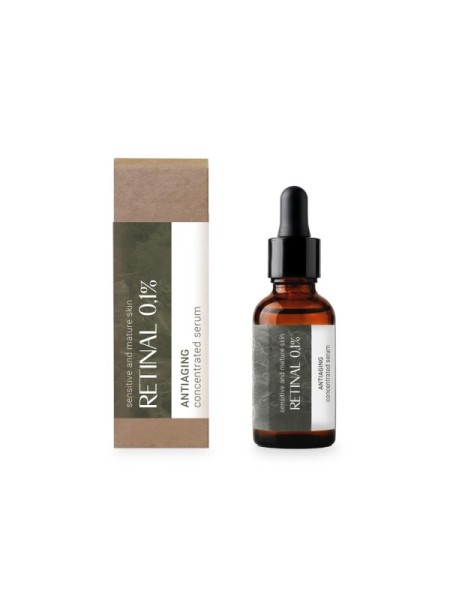
Retinal Anti-Ageing Serum 0.1% 30 ml | for firming anti-ageing care
A versatile option for everyday use.
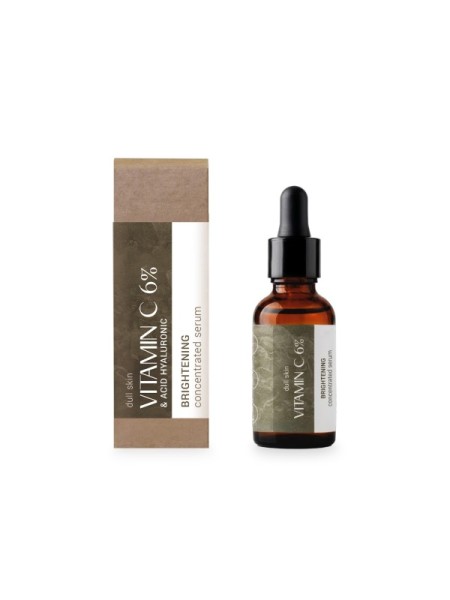
Antioxidant Serum Vit. C 6% 30 ml | for firming anti-ageing care
Designed for more specific care needs.
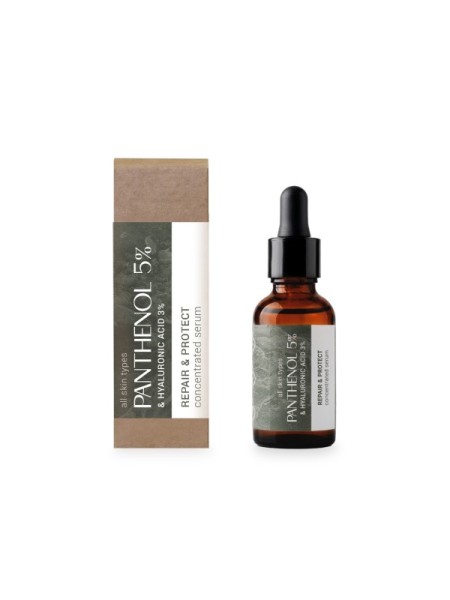
Panthenol Hydrating Serum 5% Hyaluronic Acid 3% 30 ml | for firming anti-ageing care
A complementary option for a more complete routine.
The mistake of forcefully removing flakes
When you see loose skin, it’s tempting to reach for granular scrubs, facial brushes, or very astringent cleansers. But skin that’s already tight often reacts poorly to friction. Removing flakes aggressively can make the surface look smoother temporarily, only to increase discomfort afterward.
For a few days, the priority should be simplification. Set aside physical exfoliants, highly absorbent purifying masks, and any products that sting. If you use actives like vitamin C or retinal, you don’t need to give them up forever, but it can help to reduce the frequency until your skin feels comfortable again. The right cadence depends on the individual, the product concentration, and how the skin responds.
Gentleness doesn’t mean sacrificing results. It means creating the ideal conditions for your skin to tolerate a care routine and absorb ingredients without feeling overwhelmed.
A simple routine to restore comfort
A streamlined routine encourages consistency and helps you identify what works. When dryness is visible, focus on three steps in the morning and three at night.
Morning: hydrate without heaviness
Start with a very gentle cleanse. If your skin is free of makeup or sunscreen upon waking, lukewarm water or a creamy cleanser that doesn’t leave tightness may suffice. Pat dry gently with a clean towel—no rubbing.
On slightly damp skin, a hyaluronic acid serum offers a fresh boost of hydration. This ingredient works especially well when followed by a cream, because the moisturizer helps maintain that comfort longer. Aloe vera is another great ally in this phase: it provides a light, soothing texture, perfect when the face feels sensitive or warm.
Finish with a facial cream formulated for dry skin. Look for aloe vera, rosehip, calendula, or nourishing oils, depending on your preferred texture. Rosehip gives a richer feel, while calendula fits perfectly in comfort-focused routines. Finally, apply daily sunscreen every morning. Sun and wind can worsen dryness, even on cloudy days.
Night: nourish and rest
At night, remove makeup and sunscreen gently. A mild cleanser that doesn’t leave skin feeling tight makes a noticeable difference. Then apply a hydrating serum or an aloe vera texture for a light first layer.
The next step is a nourishing cream. If your cheeks feel especially rough, you can apply a slightly more generous amount to that area only. There’s no need for multiple layers all over: a well-chosen formula used regularly usually works better than rotating several products nightly.
If you want to include retinal in an anti-age routine, introduce it cautiously. Start with a few nights per week and avoid using it when your skin is very flaky or irritated. Rest nights can be dedicated entirely to hydration, aloe vera, and nourishment. This way, your routine balances caring for fine lines and texture without ignoring the immediate need for comfort.
Ingredients that make sense when skin feels rough
Not every ingredient performs the same in dry skin. Hyaluronic acid helps skin feel plumper and more hydrated. Aloe vera stands out for its soothing, cooling sensation—a bonus when there’s tightness. Calendula adds comfort to simple routines, while rosehip delivers a more nourishing, flexible finish.
Choosing between a serum, cream, or oil depends on how your skin feels. A hydrating serum is a great first layer if you want lightness. A cream is essential when you need to lock in moisture and protect against environmental stress. A facial oil can complement your nighttime routine if skin is very dry, but it doesn’t replace the aqueous hydration of a serum or cream.
To avoid confusion, think in layers with a clear function: first hydration, then nourishment. This combination is more practical than relying on a single product to cover all needs.
Small habits that help more than you think
Your facial routine doesn’t work in isolation. Water that’s too hot can leave skin tight, both on the face and body. Adjust the water temperature in the shower and apply body cream right after drying off, while skin still holds some moisture, to keep a more elastic feeling.
In winter, shield your face from wind with a soft scarf and avoid rough fabrics against flaking areas. At home, intense heating can dry out the air. You can’t change everything, but you can compensate with a richer cream and consistent morning and night applications.
Another useful habit is not overhauling your routine at once. If you introduce a new serum, use it for several days before adding another active. This approach helps you recognize which texture brings comfort and which is better saved for later.
When to simplify even more
If your skin burns, itches persistently, cracks, or flaking doesn’t improve despite a gentle routine, pause active products and seek professional advice. Caring for skin also means knowing when not to force cosmetics.
Meanwhile, avoid experimenting with home remedies, alcohol-based toners, strong fragrances, or repeated exfoliation. A simple formula with aloe vera, hydration, and a nourishing cream is often much kinder than quick fixes.
At Aloeveraymas, our aim is to provide routines that address real needs: fewer unnecessary steps and more ingredients that deliver hydration, nourishment, and relief. When your skin stops feeling tight, skincare becomes a pleasant ritual again. Give it a few days of consistency, listen to its response, and adjust textures to what your face needs now.


