
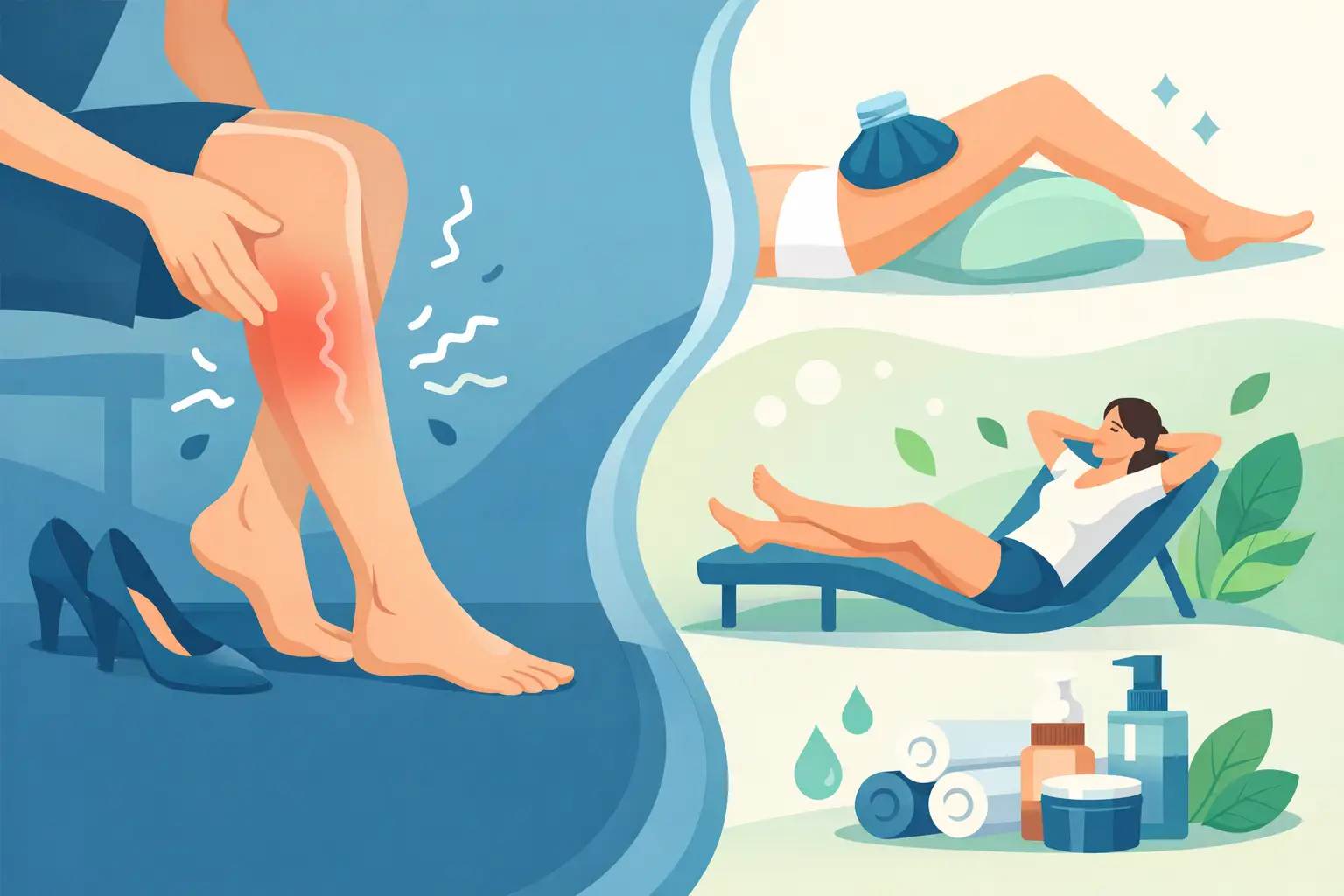
That heavy feeling at the end of the day, wanting to sit down and elevate your feet or noticing your legs feel heavier after walking, working, or training is very common. If you’re wondering why my legs feel tired, the answer usually comes down to a combination of everyday habits: long hours in the same position, heat, few breaks, intense physical activity, or insufficient recovery.
It’s not always necessary to complicate body care. Listening to how your legs feel, taking small breaks, and pairing massage with refreshing textures can make a real difference in daily comfort.
Why I Have Tired Legs During the Day
Your legs work constantly, even on days that seem inactive. They support your body when you stand, accompany every movement, and can remain still for long periods when you work seated. That’s why the feeling of tiredness doesn’t only appear after exercise.
Standing for long hours is one of the most common causes. In retail, customer service, kitchens, or household chores, your legs accumulate effort with hardly any breaks. But spending the day sitting doesn’t help either: keeping your knees bent and your feet still for hours can make you feel stiff, heavy, or sluggish when you stand up.
Heat also tends to intensify this sensation. In summer, after a hot shower or in poorly ventilated spaces, many people feel their legs heavier and in more need of cool relief. Hormonal changes, insufficient rest, and certain periods of increased physical demand can also play a role.
Products selected for this guide
Choose the option that best fits your skin and your routine.
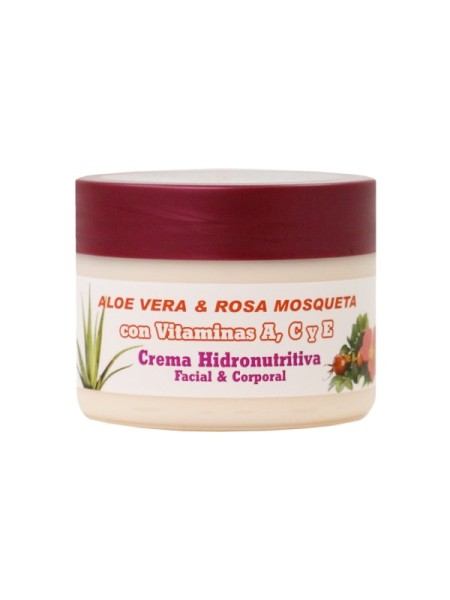
Hydro-Nourishing Face and Body Cream 250 ml | for dry skin and daily body hydration
A versatile option for everyday use.
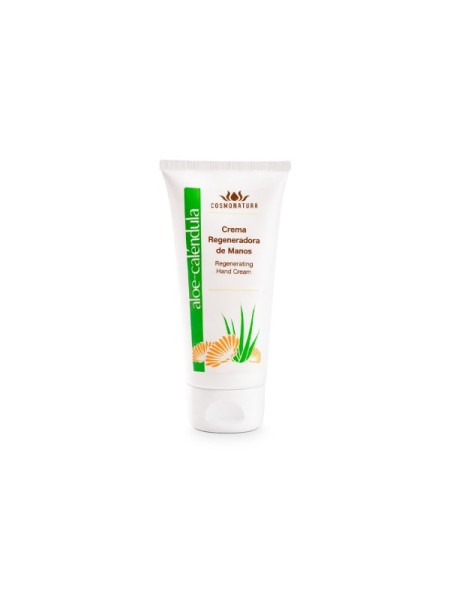
Regenerating Hand Cream 100 ml | for daily natural skincare, sensitive skin
Designed for more specific care needs.
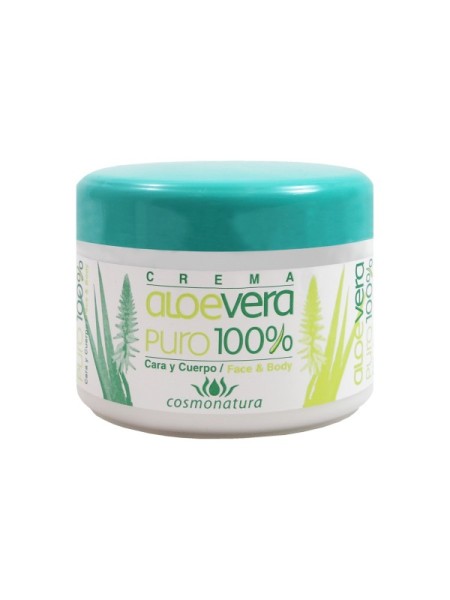
Face and Body Cream con 100% Aloe Vera 250 ml | for dry skin and daily body hydration
A complementary option for a more complete routine.
Finally, it’s worth considering recent activity. A long walk, an intense class, climbing stairs, or resuming a sport after a break can leave you with a perfectly normal sense of muscle fatigue. In this case, the body usually benefits from active rest, hydration, and local care to support recovery.
Difference Between Tired Legs and Muscle Overload
Although we often use the same term, not all discomfort feels the same. Tired legs are usually described as a general heaviness, the need to elevate them, discomfort at the end of the day, or the desire to apply something cooling. Muscle overload, on the other hand, typically appears after specific exertion and is more localized in the calves, thighs, or hamstrings.
The practical response also differs. When heaviness predominates after a long day, prioritize breaks, gentle movement, and upward massage. If you’ve exercised or feel particularly tight muscles, add a gentler recovery: light stretching, adequate rest, and a body massage gel with soothing active ingredients.
You don’t have to choose between movement and complete rest. Often, a short, easy walk is more pleasant than staying completely still. The key is not to force legs that are already asking to slow down.
Simple Habits to Make Your Legs Feel Lighter
Relief often lies in repeating simple actions, not in an impossible routine. If you work seated, stand up for a few minutes every hour or whenever you finish a task. If you spend many hours standing, look for moments to shift your weight, move your ankles, or sit briefly.
When you get home, elevating your legs for a few minutes can bring a very pleasant sense of relief. You don’t need a complicated position: lie down and place your feet on some pillows, making sure you’re comfortable and not straining your back. It also helps to wear clothing that isn’t too tight when you know you’ll have a long day.
For an easy daily routine, focus on these four gestures:
- Move your ankles and feet several times a day, especially after long periods of sitting or standing.
- Walk for a few minutes at a comfortable pace to break up immobility.
- Finish your shower with lukewarm or slightly cool water on your legs if it feels good.
- Set aside a few minutes to massage your legs at the end of the day or after exercise.
Hydration is also part of the care. Drinking water regularly and not waiting until you’re very thirsty helps maintain a more complete wellness routine, especially on hot or active days.
The Body Massage That Supports Rest
A well-done massage doesn’t have to be long to be soothing. Apply a moderate amount of gel or body cream to your ankles, calves, and thighs, and spread it with gentle upward strokes. The pressure should be pleasant: the goal is to relax, not to cause pain or press on a sensitive area.
Products with aloe vera are a good option when you want a hydrating, soothing texture for frequent use. Aloe leaves the skin comfortable and helps turn massage into a nurturing moment, especially if your skin feels dry after a shower or from clothing rubbing.
For very tired legs, botanical ingredients that provide a cooling and comforting sensation are particularly interesting. Menthol offers an immediate fresh effect that many appreciate after walking, training, or enduring high temperatures. Arnica, ginger, and devil’s claw are commonly used in massage formulas aimed at muscle comfort and post-effort recovery.
Texture matters a lot here. A fast-absorbing gel is practical in the morning, before dressing, or when you need to apply the product without waiting. A richer cream may fit better at night if you also want to soothe dry leg skin. Choosing based on the time of use makes it easier to stick to the routine.
At Aloeveraymas, body care is understood as a simple combination of aloe vera, massage, and plant-based actives designed to support rest and muscle relief. It’s not about accumulating products, but about choosing one you’ll want to use regularly.
When It’s Time to Change Your Routine
If your legs tire mainly at the end of the day, start by reviewing how much time you spend still and create brief but frequent breaks. If the sensation comes after exercise, temporarily reduce intensity and pay attention to your recovery. Sometimes the issue isn’t training, but stringing workouts together without giving your body time to rest.
There are also days when you should opt for gentler care. If you’ve just shaved, have particularly reactive skin, or notice superficial irritation, choose a soothing formula and test a small amount first. In these situations, less product and a gentle massage is usually the most comfortable option.
A new, intense, persistent sensation or one accompanied by visible changes that worry you deserves a professional medical evaluation. Body self-care is a great ally for daily well-being, but it shouldn’t replace a consultation when something doesn’t match your usual condition.
A Nighttime Routine for More Rested Legs
Before bed, give yourself five minutes. Take a lukewarm shower if you like, pat your skin dry without rubbing too much, and apply an aloe vera massage gel with a fresh effect from your ankles up to your thighs. Make slow strokes with your palms and spend a little extra time on your calves if they’ve worked hard during the day.
Then, elevate your legs for a few minutes while you breathe and disconnect from screens. It’s a small gesture, but repeated every night it can transform the end of a heavy day into a rest moment your body recognizes. Your legs don’t need a perfect routine: they need attention, movement, and care that’s easy to repeat.


