

The answer to what’s better, aloe gel or cream isn’t about picking one format for everything. Gel usually provides an immediate cooling, lightweight feel; cream offers more enveloping, lasting hydration. The right choice depends on how your skin is today, the area you want to treat, and the outcome you want: to soothe, hydrate, repair tightness, or support a recovery massage.
Many routines get complicated by using an excellent product at the wrong time. Skin that’s warm from sun exposure, exercise, or hair removal usually doesn’t need the same thing as dry legs in winter or a face that loses comfort at the end of the day. Understanding that difference helps you buy less, apply better, and actually feel the care in your skin.
Aloe Gel or Cream: The Difference Is in the Texture
While both can contain aloe vera, a gel and a cream don’t act the same on the skin. Their base, finish, and how long the product stays on the skin make the difference.
The aloe vera gel has a water-like, lightweight texture and is absorbed quickly. When you spread it, it usually leaves a pleasant cooling sensation and barely any film on the skin. That’s why it’s especially convenient when you want immediate relief, don’t want a greasy feel, or need to get dressed shortly after applying it.
The aloe vera cream combines aloe with emollient and nourishing ingredients that help soften the skin’s surface and retain moisture better. It’s generally more suitable when there’s dryness, roughness, or a persistent feeling of tightness. It doesn’t just aim to refresh: it aims to keep the skin flexible and protected for longer.
Products selected for this guide
Choose the option that best fits your skin and your routine.
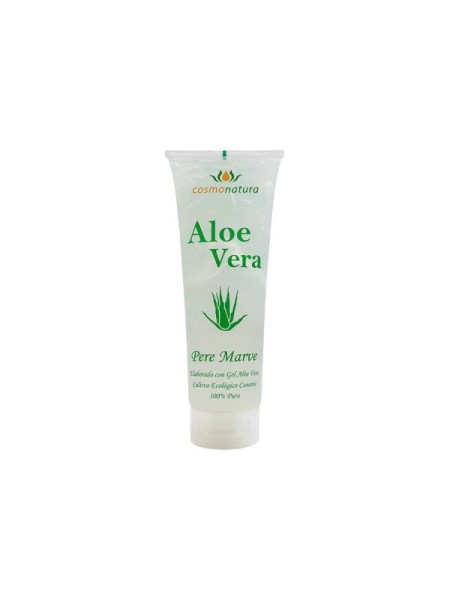
Pere Marve Aloe Vera Gel 100% organic Canarian cultivation 250 ml | for cooling face and body hydration
A versatile option for everyday use.
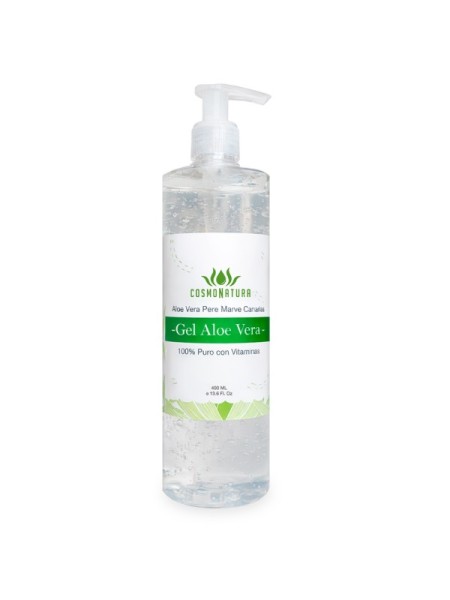
Aloe Vera Gel 100% organic con Vitamin A y E 400 ml | for cooling face and body hydration
Designed for more specific care needs.
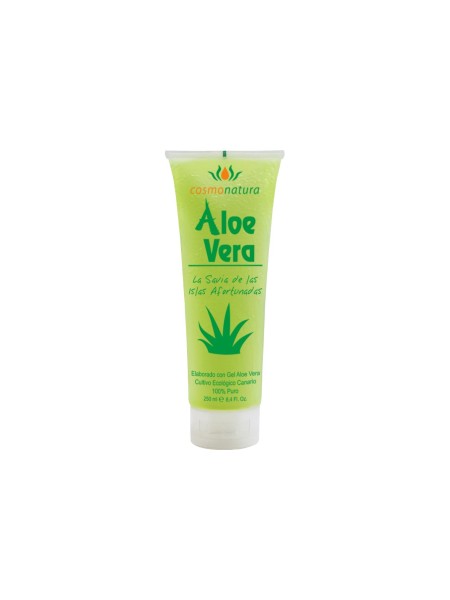
BIOGEL Green Aloe Vera Gel 99.5% 250ml | Soothing care for daily skincare
A complementary option for a more complete routine.
Simply put: gel works great as a quick gesture for calm and coolness; cream is an ally when the skin needs extra comfort and hydration that lasts for hours.
When to Choose Aloe Vera Gel
Gel fits moments when the skin feels hot, congested, or needs a light application. After moderate sun exposure, a shower, hair removal, or a workout session, its fresh texture can be especially pleasant. It’s also a good option for large body areas since it spreads easily and doesn’t feel heavy.
On the face, it can appeal to combination or oily-prone skin, especially in warm seasons. Applied to clean skin, it provides light hydration without the density of a cream. Still, if your skin flakes or feels tight soon after, the gel alone will likely fall short.
Body gels with aloe may include botanical actives designed for massage and muscle recovery, like arnica, menthol, ginger, or devil’s claw. In these cases, the aloe offers a soothing, lightweight component, while the other ingredients complete a fresh, comforting massage experience. They’re a good alternative for tired legs, tense shoulders, or tight muscles after physical activity, always applied with a gentle massage.
Choose a gel when you prioritize coolness, quick absorption, and a clean feel. It’s a practical option for daytime, summer, your gym bag, or whenever you need to care for your skin without waiting.
The Gel’s Limit: It’s Not Always Enough for Dry Skin
A common mistake is thinking that a very fresh feeling equals deep hydration. Gel can provide water and initial comfort, but very dry skin also needs ingredients that help maintain that hydration and reduce roughness. If you apply gel and soon your skin asks for more product, it’s a clear sign you should add or switch to a cream.
The combination can also work: first a thin layer of gel on clean skin, and once it’s absorbed, a body or facial cream. That way you enjoy the freshness of the aloe and then seal in the feeling of comfort.
When to Choose an Aloe Cream
Cream is the most complete option for a daily hydration routine, especially for dry, sensitive, or mature skin. Its textures tend to be richer and help the skin feel softer, more elastic, and comfortable. It’s the most suited format for arms, legs, hands, elbows, knees, and heels—areas that often show dryness.
On the face, an aloe cream can be a very useful base after a hyaluronic acid serum, vitamin C, or an overnight retinal treatment. You choose the serum for a specific goal, and the cream provides the hydration layer that completes the routine. You don’t need to stack too many steps: gentle cleansing, one active that suits your skin, and a well-chosen cream is usually enough.
For sensitive skin, look for a cream with a pleasant texture, not overly heavy, and with known soothing actives like calendula or rosehip. Calendula can support comfort-focused routines, while rosehip is interesting when the skin looks dull or needs more nourishment.
Nighttime is also cream territory. During rest, immediate absorption isn’t as important, and a more enveloping texture helps your skin wake up feeling less tight. If you prefer gel during the day, there’s no conflict in using a richer cream before bed.
Which Is Better, Aloe Gel or Cream, According to Your Skin Type
There’s no one-size-fits-all answer, but there are patterns to help you decide. Oily or combination skin usually feels comfortable with lightweight gels during the day, though it may need a fluid-texture facial cream in drier areas. Dry skin normally benefits more from a cream, both on the face and body, because the comfort lasts longer.
If you have sensitive skin, the key isn’t just choosing gel or cream, but checking that the formula is simple and free of ingredients you don’t tolerate well. Always patch-test a small amount before using a new product, especially on the face. A light texture isn’t always gentler, and a nourishing cream doesn’t have to feel heavy.
For mature skin, aloe works well as a hydrating and soothing ingredient, but it’s wise to complement it with a routine that addresses other needs. A hyaluronic acid serum can boost hydration, vitamin C can add radiance, and retinal can be reserved for the night, introduced gradually. Aloe cream finishes that routine by adding comfort.
For blemish-prone skin, gel can be a convenient alternative if dense textures feel bothersome. Even so, don’t skip hydration: look for a light cream if you feel tightness, because uncomfortable skin doesn’t look balanced either.
The Body Area Changes the Response
The same product doesn’t have to work the same for face, body, and muscles. On the face, the priority is hydration compatible with your skin type and your routine’s actives. On the body, a cream can better address everyday dryness, while a gel is perfect for refreshing arms, legs, or back.
When the goal is a wellness massage after effort or a long day, a body gel with aloe, menthol, and plant extracts can offer a pleasant, quick application. Massage from the ankles up on the legs or use circular motions on shoulders and back. If you need more nourishment afterwards, apply a body cream once the gel is absorbed.
Hands deserve a special mention. They’re washed frequently throughout the day and can lose comfort easily. Here cream often wins over gel, as it creates a more lasting softness. Reserve gel for a moment of freshness and use cream whenever your skin feels dry or rough.
How to Incorporate Both Without Doubling Up
You don’t have to pick a single winner. Gel and cream can complement each other if each has a specific role. In the morning, an aloe gel can add freshness to the face or body. After a shower, a body cream helps keep skin soft. At night, a facial cream can be the final step after your usual serum.
On hot days or after training, apply gel to the areas that feel more fatigued and let it absorb before dressing. On cold days, prioritize cream on legs, arms, and hands. This alternation responds to what your skin needs, not to a rigid rule.
Quantity matters too. An excessive layer of gel can leave a sticky feel, and too much cream can be uncomfortable. Start with a small amount, spread it gently, and add more only if your skin asks for it. Consistent application usually yields better results than using a large amount occasionally.
What to Look for on the Label
Aloe vera is a valuable ingredient, but the complete formula defines the experience. If you want a refreshing body feel, look for a gel with aloe and extracts suitable for massage. If you need nourishment, choose a cream with aloe along with emollient and botanical ingredients like calendula or rosehip.
For a facial routine, choose each product for its purpose. Hyaluronic acid is associated with hydration, vitamin C with radiance, and retinal with a night routine focused on mature skin. Aloe cream can accompany those steps without turning daily care into an endless routine.
The best choice isn’t the trendy texture but the one that makes you stick to it. If gel motivates you to care for your body after a workout, use it. If a cream makes your hands or face feel comfortable again, let it have its place. Listening to your skin and adjusting the format to each moment is a simple, natural way to care for it better.


