

The way you feel when you wake up says a lot about your nighttime routine. If your skin feels tight, shows dry patches, or looks dull, it may not need more steps but rather a better-suited formula. Knowing how to choose a night cream begins with observing what your face needs at the end of the day: hydration, comfort, nourishment, softness, or extra support against the signs of aging.
At night, skin is freed from sun exposure, makeup, pollution, and temperature changes. It’s the perfect time to apply products with more comforting textures and active ingredients that support its natural renewal process. The key isn’t choosing the densest cream or the one with the boldest promises, but picking the one that fits your skin type and the rest of your routine.
What a night cream should provide
A night cream should help the skin retain moisture and feel comfortable through the morning. Unlike many day creams, it doesn’t need to include sun protection and can have a richer texture, especially for dry, mature, or sensitive skin.
Not all skin types need the same richness. Oily skin can feel weighed down by a very occlusive cream, while dry skin may not get enough relief from a light gel-cream. That’s why it’s important to look at the formula and the results you’re after, not just the “night cream” label.
In a good routine, the cream completes the care. After cleansing your face and, if needed, applying a serum, it helps keep skin supple and protected from moisture loss. If your goal is to address the appearance of fine lines, dullness, or uneven texture, it can also be the step that carries specific actives without complicating your routine.
Products selected for this guide
Choose the option that best fits your skin and your routine.
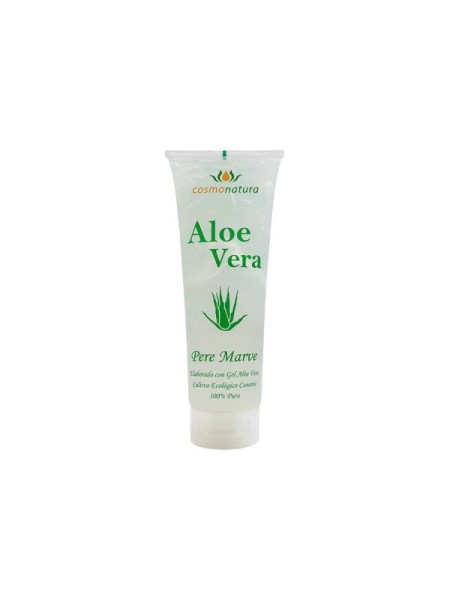
Pere Marve Aloe Vera Gel 100% organic Canarian cultivation 250 ml | for cooling face and body hydration
A versatile option for everyday use.
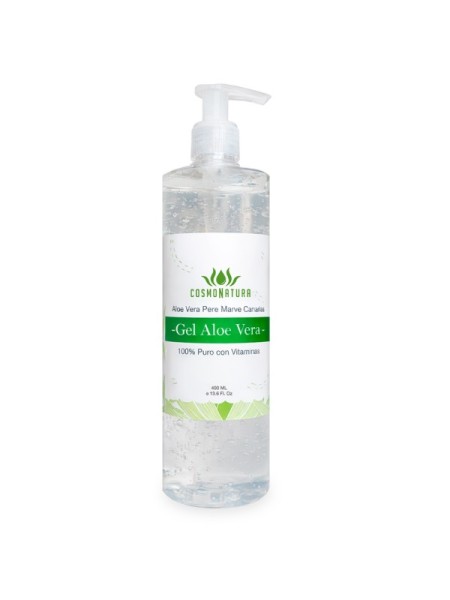
Aloe Vera Gel 100% organic con Vitamin A y E 400 ml | for cooling face and body hydration
Designed for more specific care needs.
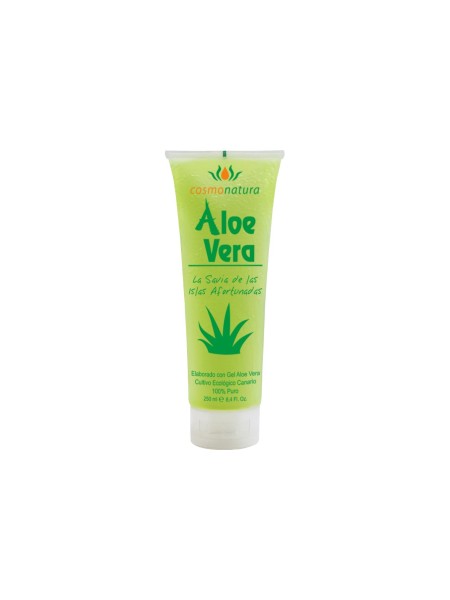
BIOGEL Green Aloe Vera Gel 99.5% 250ml | Soothing care for daily skincare
A complementary option for a more complete routine.
How to choose a night cream based on your skin type
Dry or tight skin
Look for a cream with a creamy texture or a lightweight balm that delivers nourishment without an uncomfortable feel. Aloe vera is a great ally for hydration and comfort, while hyaluronic acid helps lock in water at the skin’s surface. Plant oils, such as rosehip oil, can give a more elastic and soft sensation.
If you notice flakiness or tightness on your cheeks and around your mouth, avoid overly light formulas. A more enveloping night cream can make a real difference, especially in winter, after sun exposure, or when you’ve spent long hours in heated or air-conditioned environments.
Sensitive or easily irritated skin
Comfort is the priority. Choose simple formulas with ingredients known for their soothing action, like aloe vera and calendula. A cream without too many actives at once is usually a safer choice when skin is reactive or feeling upset.
In this case, less can be more. If you’ve just added a renewing serum, you don’t need to layer on a cream loaded with intense ingredients every night. Pair it with a hydrating, soothing formula to maintain balance. It’s also wise to patch-test any new product on a small area before applying it all over your face.
Combination or oily skin
Having shine in the T-zone doesn’t mean your skin doesn’t need a night cream. It often needs hydration, but with a texture that doesn’t add unnecessary weight. Look for gel-creams, lightweight emulsions, or fast-absorbing creams with aloe vera and hyaluronic acid.
Don’t choose based on fear that any cream will leave skin greasy. The most helpful approach is to see how your skin feels after a few minutes and the next morning. If you wake up with more shine than usual or a filmy feel, reduce the amount or switch to a fresher texture. If, on the other hand, you feel tightness, the formula may be too light.
Mature or dull skin
When you’re after anti-aging night care, it’s best to combine hydration with actives that gradually improve skin appearance. Hyaluronic acid helps give a plumper, more comfortable look, while rosehip oil can support routines focused on nourishment and cosmetic regeneration.
Retinal is another interesting option for those looking to work on texture and the appearance of lines. It doesn’t have to be in your cream: many routines work better by applying a retinal serum first, then a nourishing cream for comfort. If you’re introducing it for the first time, start gradually following the product instructions, and use sun protection during the day.
Ingredients to look for based on your goal
You don’t need to memorize full formulas. Just recognize a few key ingredients and match them to your skin’s needs. Aloe vera fits especially well in routines aiming for hydration, freshness, and calm. It can be a great base for dry, sensitive, combination, or environmentally stressed skin.
Hyaluronic acid is a practical option if skin feels dehydrated, dull, or less supple. It can be found in both serums and creams. Using it in both steps isn’t always necessary, though it may be suitable if your skin needs an extra boost of hydration and tolerates the routine well.
Calendula offers an interesting profile when the priority is to soothe and care for uncomfortable skin. Rosehip oil is particularly appealing in richer creams designed for dry or mature skin. Meanwhile, retinal is an active ingredient to introduce thoughtfully: a consistent, simple routine is better than layering too many renewing products in a single night.
Vitamin C is usually reserved for the morning routine for its brightening and antioxidant benefits, though it depends on the formula. If you already use it during the day, a hydrating or regenerating night cream can be the most balanced complement.
Don’t confuse night cream with serum
Serums and creams don’t compete: they serve different functions. Serums usually have a lighter texture and are targeted to a specific need, such as hydration, radiance, or anti-aging. Creams, on the other hand, help seal in moisture and provide a final layer of comfort.
If you want a simple routine, you can cleanse your face and apply just one well-chosen night cream. It’s a completely valid option if your skin is balanced or you prefer fewer steps. If you have a more specific need, add a serum before your cream. For example, a hyaluronic acid serum followed by a cream with aloe vera and rosehip oil can be a comforting combo for dry skin.
Texture also matters
The best texture is the one you’ll use consistently. A very rich cream may be perfect for dry skin but if it feels too heavy and you end up avoiding it, it’s not the right choice. Likewise, a gel-cream might seem too light at first but be perfect for combination skin in warmer months.
You can adapt your cream to the season. In summer, many skins appreciate lighter, fresher formulas. In autumn and winter, you might need a more nourishing texture, especially on cheeks, neck, and décolletage. There’s no need to stick with the same cream year-round if your skin’s needs change.
How to apply your cream for best results
Apply the cream to clean, dry, or slightly damp skin, as directed by the product. An amount about the size of a hazelnut is usually enough for face and neck. Spread it with gentle movements, without rubbing intensely, from the center outward.
Don’t forget the neck, which can also show signs of dehydration. If you use eye contour, apply it before the facial cream and always stay within the recommended area. Consistency is more effective than applying an overly generous layer one night.
At Aloeveraymas, routines are all about simplicity: choosing ingredients that deliver hydration, regeneration, and well-being, without filling your bathroom with products you don’t need. Start by identifying how your skin looks in the morning and adjust from there. A night cream that feels pleasant, addresses your main concern, and is used every night can become one of the most rewarding steps in your skincare routine.


