
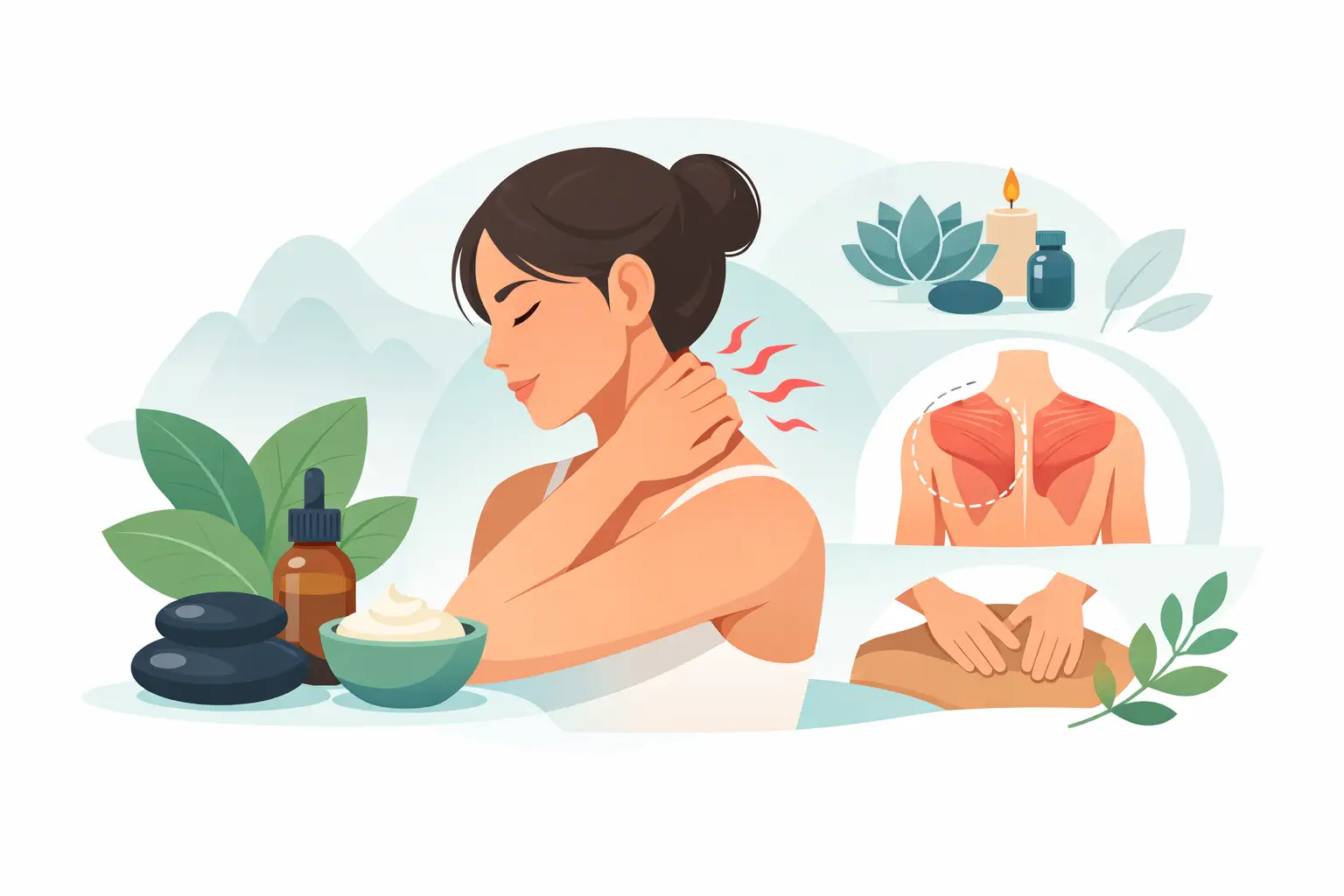
A stiff neck at the end of the day, heavy legs after walking, or a rigid back after hours of sitting don’t always require a complicated routine. Knowing how to relieve muscle tension naturally is mainly about combining gentle movement, true rest, and topical care that instantly soothes.
Muscle tension often appears when the body accumulates strain without enough recovery. Poor posture, an unusually intense workout, stress, or even cold can contribute. The good news is that small, consistent gestures usually make more of a difference than a one-off solution applied only when pain is severe.
How to Naturally Relieve Muscle Tension at Home
The first step is to avoid complete immobility for too long. When an area feels tight, it’s natural to stop moving it, but gentle mobility typically helps restore lightness. You don’t need deep stretches or to push hard—just shift position, walk for a few minutes, or move the joint calmly.
If you work at a computer, stand up regularly and move your shoulders, neck, and upper back. You can roll your shoulders slowly, tuck your chin gently toward your chest, and open your chest by clasping your hands behind your back. These movements take only two or three minutes but help prevent stiffness from settling in during the day.
After exercising, it’s best to cool down gradually. A calm walk, short stretches, and a lukewarm shower prepare your body for recovery better than going straight from an intense activity to the couch. The key is to listen to your body: a stretch should feel pleasant, never like sharp pain or resistance you have to force.
Products selected for this guide
Choose the option that best fits your skin and your routine.
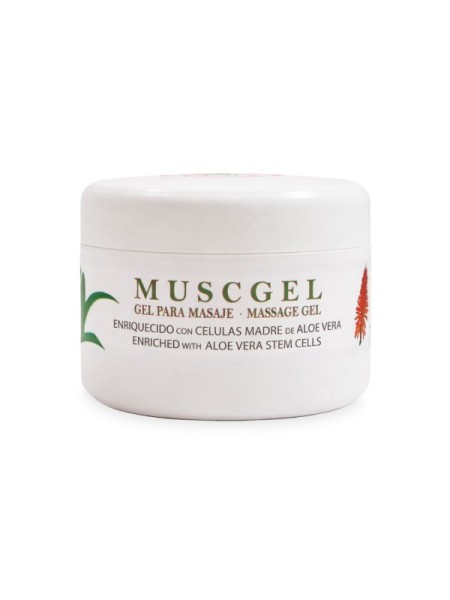
Aloe Vera Muscle Gel 200 ml | Cooling Sports Massage Gel for Tired Muscles
A versatile option for everyday use.
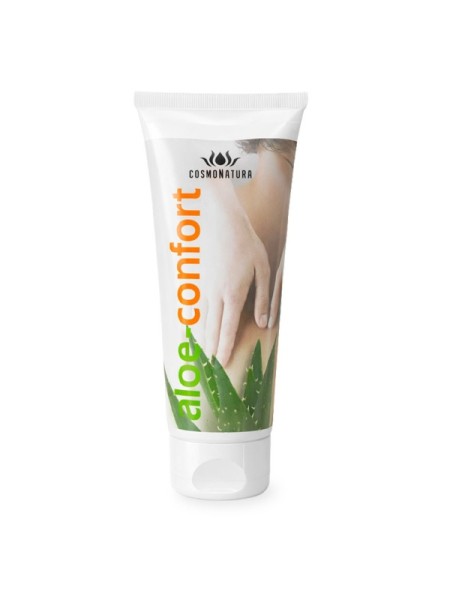
ALOE CONFORT Muscle Cream Gel 250 ml | Arnica, Menthol and Harpagophytum Massage Gel
Designed for more specific care needs.
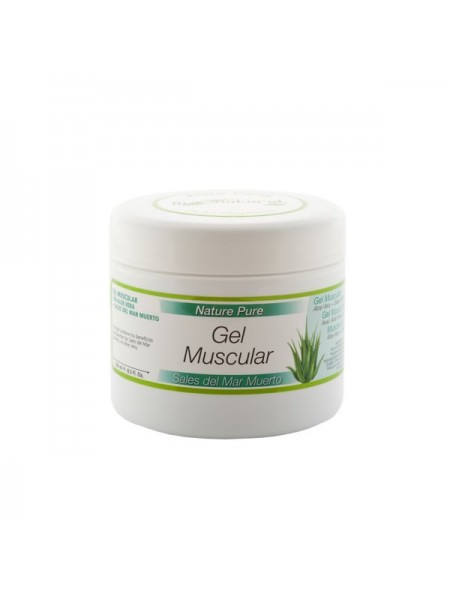
Muscle Massage Gel 500 ml with Aloe Vera, Dead Sea Salts, Arnica and Menthol
A complementary option for a more complete routine.
Heat or Cold: Choose What Feels Best
Gentle heat is often a good option when stiffness dominates, especially in the neck, shoulders, lower back, or tired legs. A warm shower, a heat pack wrapped in a towel, or a bath can promote relaxation and make any follow-up massage more effective.
Cold may feel more soothing after recent exertion or when the area feels hot and overloaded. You don’t need extreme temperatures—a cold compress wrapped in cloth for a few minutes is enough. In both cases, always protect your skin and pick the option that feels most comfortable. There’s no one-size-fits-all answer.
Massage: A Simple Way to Release Tension
A gentle massage is one of the most practical methods to ease accumulated tension. Start with the palms of your hands using long strokes over the area, then switch to moderate-pressure circular motions. On legs, massage from the ankles up; for shoulders and upper back, slow circles without pressing too hard work well.
Pressure should not be intense to be effective. In fact, forcing a sensitive muscle can make it more uncomfortable. Aim for gradual relief and spend a few minutes rather than trying a quick, deep massage.
Massaging gels provide a practical boost by improving glide and adding a refreshing or comforting sensation. A formula with aloe vera, arnica, menthol, ginger, or devil’s claw can be an ally in daily body care. Aloe vera helps keep skin comfortable and hydrated, while ingredients like menthol add a cooling effect—especially pleasant on tired legs or after activity.
Apply a moderate amount to clean skin and massage until absorbed. For many, the best time is after a shower, following a walk, or before bed. If you have sensitive skin, test a small amount on a discreet area first and avoid applying over irritated or freshly shaved skin.
A 10-Minute Routine for Neck, Back, and Legs
You don’t need an hour to take care of yourself. A short, repeatable routine fits better into daily life and helps maintain consistency. Begin with two minutes of slow breathing: inhale through your nose without lifting your shoulders, then exhale slowly. When we breathe hurriedly, neck and jaw muscles tend to stay tense.
Next, spend three minutes moving your body. Do gentle shoulder rolls, tilt your neck to each side without pulling, and sway your legs if you’ve been sitting for hours. If your lower back feels tight, try walking around the house or lying on your back with your legs supported on a cushion for a few minutes.
Finish with five minutes of massage using a refreshing or soothing body gel. On the neck and shoulders, use a small amount and work with your fingertips. On calves, thighs, or the soles of your feet, make broad palm strokes. This step not only cares for your muscles but also helps close the day with a pause your body recognizes as rest.
Habits to Keep Tension from Coming Back Too Soon
Spot relief is useful, but prevention relies on daily details. Sleeping in a comfortable position, alternating activity and rest, staying well-hydrated, and avoiding prolonged static postures help your body recover better.
It’s also worth checking your workspace. A screen that’s too low encourages a forward head tilt; a chair without proper support can strain the lower back. You don’t need to overhaul your office—raising your laptop, keeping your feet flat on the floor, and moving your chair closer to the desk can already improve posture.
Stress deserves attention because it often manifests physically. Clenching your jaw, hunching your shoulders, or shallow breathing are common reactions. Taking a few minutes to walk, stretch, or apply a massage gel isn’t a luxury—it’s a concrete way to give your body the recovery it needs.
Nutrition and Rest, No Quick Fixes
There’s no single food that alone eliminates muscle tension. Still, a varied diet, regular hydration, and meals that avoid heavy, sluggish feelings help sustain energy throughout the day. Nighttime rest also matters: poor sleep can make tension feel more persistent the next day.
Don’t chase perfection. If you sleep poorly one night or have less movement one week, return to the basics: a light walk, a warm shower, short stretches, and a massage. These are simple, accessible resources that you can easily adapt to your pace.
When to Stop and Seek Professional Advice
Self-care is designed for mild, common discomforts related to fatigue, posture, or physical activity. If you experience severe pain, sudden discomfort, loss of strength, persistent tingling, noticeable swelling, or symptoms that don’t improve in days, consult a healthcare professional before continuing to stress the area.
Also consider reducing exercise intensity if your body isn’t recovering between sessions. More isn’t always better: a sustainable routine combines activity, mobility, and breaks. Recovery is part of movement, not the time wasted between workouts.
Natural muscle tension relief doesn’t require a complex routine. A bit of movement, heat or cold as you prefer, and a plant-based massage gel can turn a moment of strain into a wellness pause. Pick a gesture you can repeat tonight and let consistency do the rest.


