
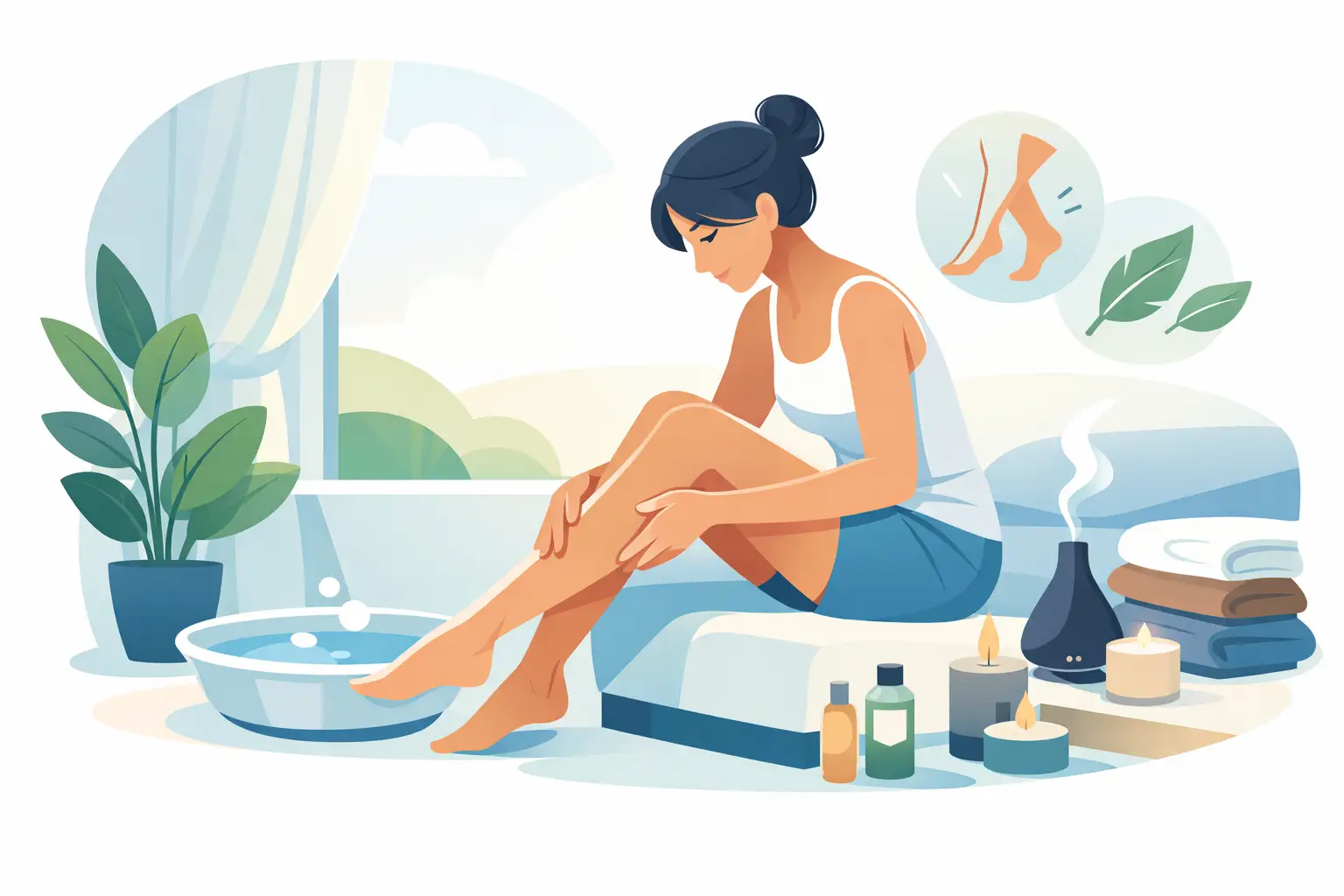
Some days your shoes feel heavier when you get home, your ankles feel weighed down and all you want is to lie down with your legs up. Spending long hours standing, sitting, walking, traveling or training can leave you with that sense of heaviness. Knowing how to relieve tired legs naturally helps turn the end of the day into a simple recovery moment, without complicating your routine.
The key isn’t doing just one thing occasionally, but combining small gestures: moving more often, promoting rest, giving a pleasant massage, and choosing body formulas that provide a cooling effect. Aloe vera, arnica, menthol or ginger all work well in this wellness ritual.
Why tired legs happen
The feeling of tired legs often increases when we stay in the same position for too long. Standing all day can strain calves and feet, but sitting without getting up also promotes stiffness and sluggishness. Heat, long journeys, and intense workouts can add even more heaviness.
Not all tired legs feel the same. Some people experience muscle tension after exercise; others feel warmth, slight swelling by day’s end or a constant need to stretch. That’s why the best routine depends on what happened during the day. After walking or training, massage and rest might be a priority. Following many hours sitting, alternating gentle movement with leg elevation often works better.
How to relieve tired legs naturally step by step
You don’t need to carve out a full hour or prepare a complex ritual. Just 10 to 15 well-used minutes can greatly improve your sense of rest.
Products selected for this guide
Choose the option that best fits your skin and your routine.
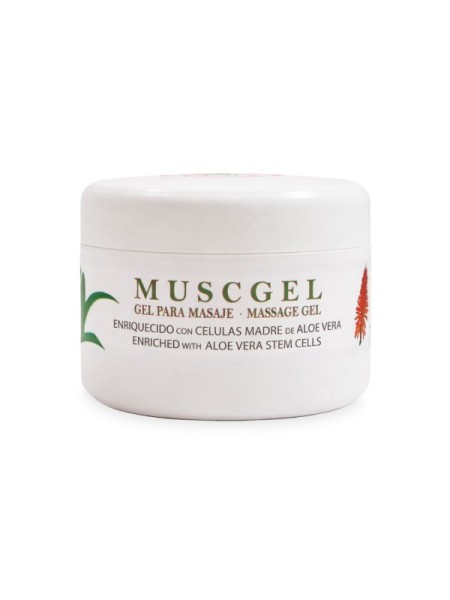
Aloe Vera Muscle Gel 200 ml | Cooling Sports Massage Gel for Tired Muscles
A versatile option for everyday use.
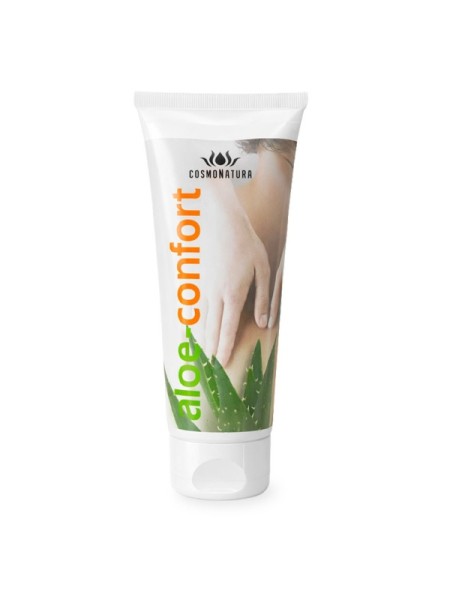
ALOE CONFORT Muscle Cream Gel 250 ml | Arnica, Menthol and Harpagophytum Massage Gel
Designed for more specific care needs.
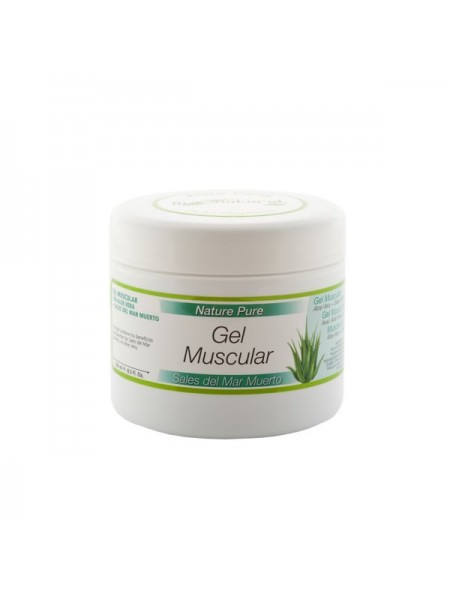
Muscle Massage Gel 500 ml with Aloe Vera, Dead Sea Salts, Arnica and Menthol
A complementary option for a more complete routine.
Activate your legs before resting
When you notice your legs starting to feel heavy, walk around the house for a few minutes or perform gentle ankle movements. Raising and lowering your heels, rotating your feet in both directions, and bending your knees helps break immobility. If you work sitting, stand up every so often—even if it’s just to fill a glass of water or stretch by your desk.
At the end of the day, a gentle walk can be more helpful than going straight from the sofa to bed. It’s not about making a big effort, but restoring movement to legs that have been in the same position for many hours.
Elevate your legs for a few minutes
Lie on your back and rest your calves on some cushions, making sure your feet are slightly elevated. Hold this position for 10 to 20 minutes while you breathe calmly. This is especially comforting after a hot day, a trip, or a long day on your feet.
Leg elevation shouldn’t be uncomfortable. If you feel tension in your back, lower the height of the cushions. The point is to rest, not force a posture. You can use this time to unplug from screens, listen to music, or simply close your eyes.
Apply gentle coolness when you need freshness
A cool water shower on your legs, directed from the ankles up, can provide an immediate sense of lightness. You don’t need very cold water—a pleasantly cool, gradual temperature is enough to refresh the skin without causing discomfort.
Another practical option is to chill a cooling body gel in the fridge for a few minutes, always following the product instructions. Lightweight textures are convenient in summer or when you plan to dress soon afterward, as they absorb quickly and don’t leave a sticky feel.
Do an upward massage with body gel
Massage is one of the most pleasant ways to treat heavy legs. Apply a moderate amount of gel and spread it from your ankles up to your knees with long, gentle strokes. Then, work on your calves and thighs with circular motions, without pressing too hard.
A gel with aloe vera, arnica, menthol, ginger or botanical extracts can make this step more complete. Aloe vera offers a soothing, hydrating feel, while menthol delivers an immediate cooling sensation much appreciated at the day’s end. Arnica and ginger are especially suited for massage routines after exercise or long walks.
Amount matters. Using too much product doesn’t enhance the massage and can slow absorption. Start with a small amount, add more if you need to, and keep the massage slow. This routine is also a chance to care for the skin, which may become dry from heat, hair removal, or frequent showers.
A nighttime routine for lighter legs
If heaviness is regular, it’s more effective to have a brief routine than wait until you feel very heavy. For example, when you get home, change clothes, walk for five minutes, take a cool shower, and finish with an upward massage. Then elevate your legs while you read or relax.
Consistency is more valuable than intensity. A three-minute massage each night with an aloe vera gel with cooling effect can be more realistic and beneficial for your daily well-being than a long session you never repeat. On especially active days, spend extra time on your calves and the soles of your feet.
If you exercise, adapt the timing. After an intense activity, it’s wise to return to calm with gentle movement before the massage. If your fatigue comes from a day on your feet at work, alternating a cool shower, body product, and elevation can help. Listening to how your legs feel lets you choose the best care they need.
Daily habits to help prevent heaviness
Care doesn’t just start at the end of the day. Drinking water regularly, choosing comfortable footwear, and avoiding long periods of immobility are simple decisions that make a difference. If you spend a lot of time standing, find small moments to shift your weight or sit for a few minutes. If you work at a computer, avoid crossing your legs all day and move your ankles under the desk.
Clothing should also allow you to move comfortably. Overly tight garments can increase pressure by day’s end. In summer, heat can intensify the feeling of heaviness, so a cool shower and a lightweight body gel go from being an extra to becoming a very useful comfort gesture.
Don’t forget your feet. Unsuitable footwear can transfer tension to calves and thighs. Spending a minute massaging the sole of the foot with your hands or gently rolling a ball under your foot can complete the relief for your legs.
When you shouldn’t ignore it
Self-care is meant for the usual heaviness linked to daily pace, exercise, or heat. However, if you experience intense or sudden pain, a noticeable difference between one leg and the other, marked swelling, or the feeling doesn’t improve, it’s best to consult a healthcare professional. A massage or body gel shouldn’t be used to ignore unusual signals.
It’s also advisable to test any cosmetic on a small skin area if you’re sensitive to any ingredient. Avoid applying it on irritated or freshly injured skin and wash your hands afterward, especially if it contains menthol.
Taking care of your legs doesn’t have to be another task in a busy schedule. It can be the small gesture that separates an afternoon of accumulated fatigue from a more comfortable night: a few minutes of movement, a bit of freshness, and a slow aloe vera massage to make them feel like your own again.


